
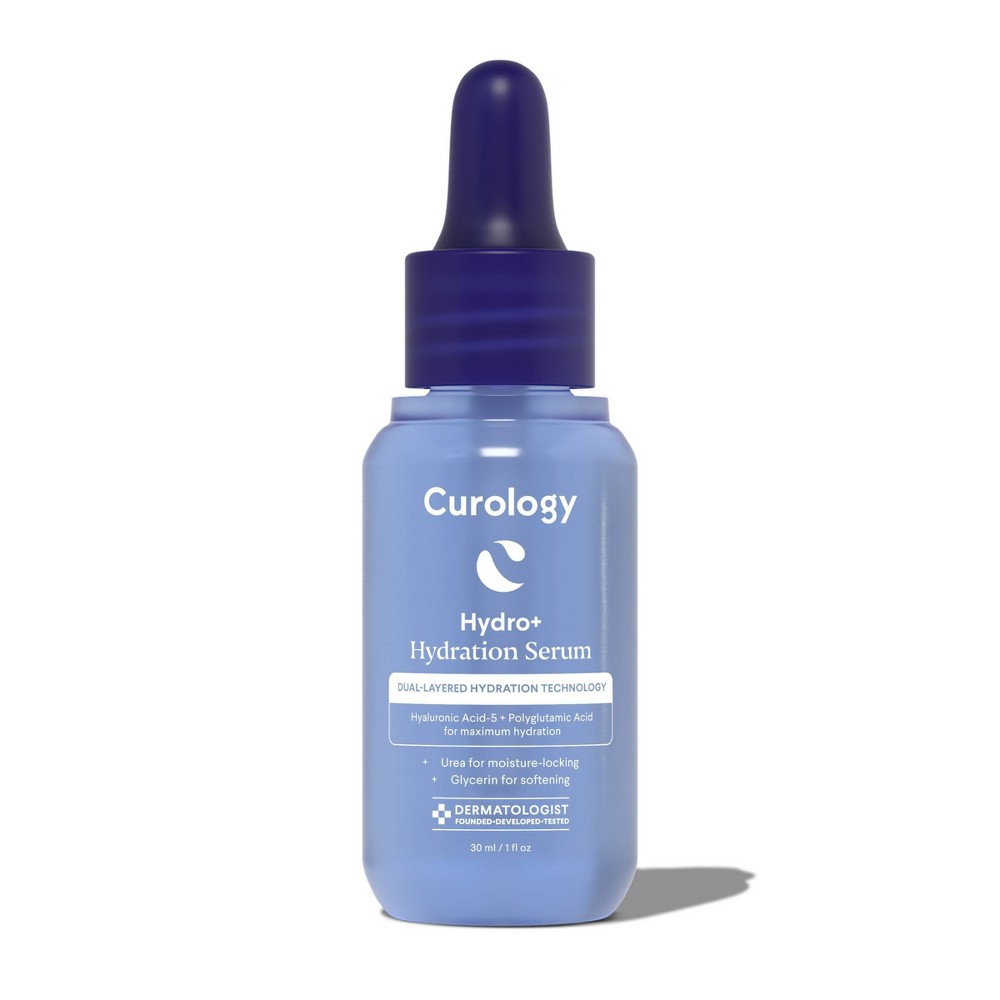
Curology Hydro+ Hydration Serum - 1 fl oz
Analysis updated August 2026 · How Scout scores
At a glance
Summary
This hydration serum features a clean ingredient list with multiple forms of hyaluronic acid, which are excellent for skin hydration and plumpness. The inclusion of glycerin and urea further enhances its moisturizing properties. The product is processed, but the absence of harmful chemicals or synthetic fragrances contributes to its high score.
Key ingredients 13
Hydrolyzed Sodium HyaluronateVery Good
Hydrolyzed sodium hyaluronate is a smaller molecule form of hyaluronic acid, allowing for deeper skin penetration. It provides intense hydration and improves skin texture.
Risks
There are no significant risks associated with hydrolyzed sodium hyaluronate.
Benefits
It offers deep hydration and improves skin texture.
Sodium Acetylated HyaluronateVery Good
Sodium acetylated hyaluronate is a modified form of hyaluronic acid that provides long-lasting hydration. It enhances skin moisture retention and smoothness.
Risks
There are no significant risks associated with sodium acetylated hyaluronate.
Benefits
It provides long-lasting hydration and improves skin smoothness.
GlycerinGood
Glycerin is a humectant that attracts moisture to the skin, helping to keep it hydrated. It is well-tolerated by most skin types and enhances the skin's natural barrier function.
Risks
There are minimal risks associated with glycerin, though it may cause irritation in very sensitive skin.
Benefits
Glycerin helps maintain skin hydration and improves skin barrier function.
PropanediolGood
Propanediol is a glycol that acts as a solvent and humectant in skincare products. It enhances the absorption of other ingredients and provides a smooth texture.
Risks
Propanediol is generally safe, but it may cause mild irritation in sensitive individuals.
Benefits
Propanediol improves product texture and enhances ingredient absorption.
Sodium CitrateGood
Beneficial ingredient — whole-food or functional value in this product class.
Risks
There are no significant risks associated with sodium citrate.
Benefits
It helps maintain the pH balance of the product.
UreaGood
Urea is a natural moisturizing factor that helps retain moisture in the skin. It also has mild exfoliating properties, promoting smoother skin.
Risks
In high concentrations, urea may cause irritation, but it is generally safe in cosmetic formulations.
Benefits
Urea enhances skin hydration and provides mild exfoliation.
Hyaluronic AcidGood
Hyaluronic acid is a powerful humectant that attracts and retains moisture in the skin. It is highly effective in improving skin hydration and plumpness.
Risks
There are no significant risks associated with hyaluronic acid.
Benefits
Hyaluronic acid significantly enhances skin hydration and elasticity.
Sodium HyaluronateGood
Sodium hyaluronate is the sodium salt of hyaluronic acid, known for its excellent moisture-binding properties. It helps keep the skin hydrated and plump.
Risks
There are no significant risks associated with sodium hyaluronate.
Benefits
It enhances skin hydration and plumpness.
WaterNeutral
Water is a common solvent used in cosmetic formulations. It helps dissolve other ingredients and provides a base for the serum. It does not have any direct benefits or risks associated with its use in skincare.
Risks
There are no significant risks associated with water in skincare products.
Benefits
Water acts as a solvent and helps in the application of the product.
1, 2-HexanediolNeutral
1, 2-Hexanediol is used as a preservative and humectant in cosmetics. It helps maintain product stability and moisture content.
Risks
There are minimal risks, though it may cause irritation in sensitive skin.
Benefits
It helps preserve the product and maintain moisture levels.
IsopentyldiolNeutral
Isopentyldiol is a moisturizing agent that helps improve the texture of skincare products. It is used to enhance the spreadability and feel of the product.
Risks
There are no significant risks associated with isopentyldiol.
Benefits
It improves the texture and application of the product.
Pentylene GlycolNeutral
Pentylene glycol is a multifunctional ingredient used as a solvent, humectant, and preservative booster. It helps improve the texture and stability of the product.
Risks
There are minimal risks, though it may cause irritation in sensitive skin.
Benefits
It enhances product stability and moisture retention.
Citric AcidNeutral
Citric acid is used to adjust the pH of skincare products and has mild exfoliating properties. It helps maintain the stability and effectiveness of the formulation.
Risks
In high concentrations, citric acid can cause irritation, but it is generally safe in cosmetic formulations.
Benefits
It helps maintain product stability and provides mild exfoliation.
Processing
Unprocessed or Minimally Processed Foods
Get the full breakdown in the Scout appTake Scout shopping
Scan any product to see lab results, healthy alternatives, and your personalized analysis.
Download on theApp Store GET IT ONGoogle PlayAmazon pricing & content
Amazon price as of . Product prices and availability are accurate as of the date/time indicated and are subject to change. Any price and availability information displayed on Amazon.com at the time of purchase will apply to the purchase of this product.
CERTAIN CONTENT THAT APPEARS ON THIS SITE COMES FROM AMAZON. THIS CONTENT IS PROVIDED “AS IS” AND IS SUBJECT TO CHANGE OR REMOVAL AT ANY TIME.