
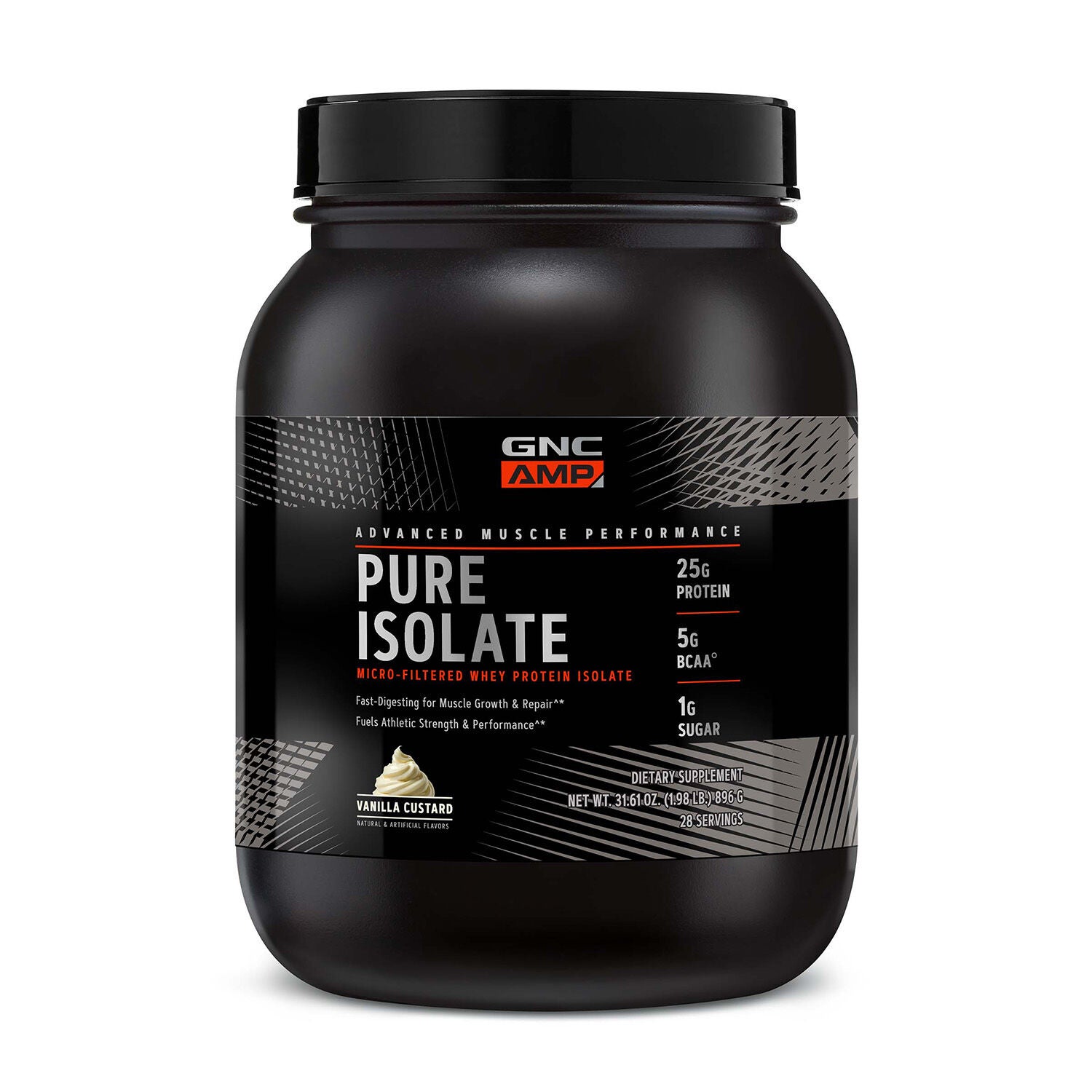
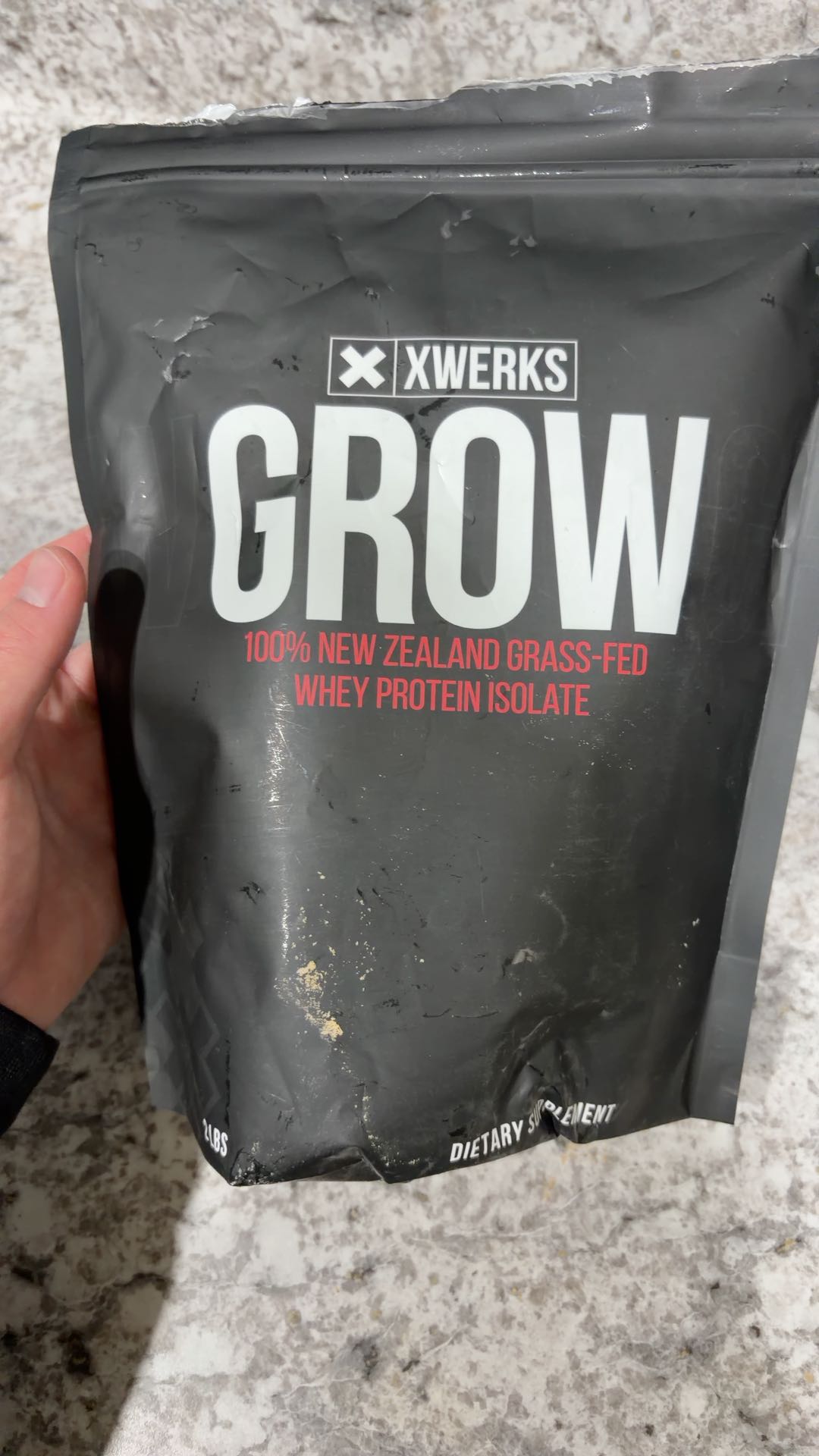

Whey Protein Isolate
Summary
This whey protein isolate product contains high-quality protein and beneficial digestive enzymes, which support muscle growth and nutrient absorption. However, it includes several artificial sweeteners and flavors, such as sucralose and acesulfame potassium, which are associated with potential health concerns. The presence of multiple gums and artificial additives contributes to a higher processing level, impacting the overall score negatively.
At a glance
Key ingredients 15
Whey Protein IsolateVery Good
Whey protein isolate is a high-quality protein source with a complete amino acid profile, making it excellent for muscle repair and growth. It is derived from milk and undergoes processing to remove most fats and lactose, enhancing its protein concentration. Compared to other protein sources, it is rapidly absorbed and highly bioavailable.
Benefits
Rich in essential amino acids, it supports muscle recovery and growth, and is beneficial for overall health.
Natural And/Or Artificial FlavoursBad
The use of natural and/or artificial flavors is often criticized for lack of transparency and potential inclusion of synthetic chemicals. These flavors can mask the true quality of the product and may include additives that are not disclosed. The ambiguity in labeling does not allow consumers to fully understand what they are consuming.
Risks
Potential inclusion of synthetic chemicals and allergens that are not clearly disclosed.
Guar GumNeutral
Guar gum is a natural thickening agent derived from guar beans, used to improve texture and consistency. It is generally considered safe and is used in small amounts in food products. While it can aid in digestion, excessive consumption may lead to gastrointestinal discomfort.
Risks
Excessive consumption may cause digestive issues such as bloating and gas.
Benefits
May aid in digestion and improve the texture of food products.
Xantham GumNeutral
Xanthan gum is a polysaccharide used as a thickening and stabilizing agent in many food products. It is produced through fermentation of sugars by the Xanthomonas campestris bacterium. While generally safe, it can cause digestive issues in sensitive individuals.
Risks
May cause digestive discomfort in some individuals, especially if consumed in large quantities.
Benefits
Helps stabilize and thicken food products, improving texture and shelf life.
Digestive EnzymesGood
Digestive enzymes, such as proteases and bromelain, aid in the breakdown of proteins, enhancing nutrient absorption. They are derived from natural sources and can improve digestive health. Their inclusion in protein supplements can help reduce bloating and improve protein utilization.
Benefits
Enhances protein digestion and absorption, reducing digestive discomfort.
Carboxymethylcellulose GumNeutral
Carboxymethylcellulose gum is a cellulose derivative used as a thickener and stabilizer in food products. It is generally recognized as safe, but excessive intake may lead to digestive issues. It helps improve the texture and stability of processed foods.
Risks
Excessive consumption may lead to digestive discomfort.
Benefits
Improves texture and stability of food products.
Evaporated Cane Juice SugarBad
Evaporated cane juice sugar is a form of sugar that retains some molasses content, giving it a slightly different flavor profile. Despite being less processed than white sugar, it still contributes to added sugar intake. High consumption of added sugars is linked to various health issues, including obesity and metabolic disorders.
Risks
Contributes to added sugar intake, which is associated with obesity and metabolic disorders.
Rebaudioside ANeutral
Rebaudioside A is a steviol glycoside derived from the stevia plant, used as a natural, zero-calorie sweetener. It is considered safe and does not impact blood sugar levels. It provides sweetness without the calories of sugar, making it a popular choice for low-calorie products.
Benefits
Provides sweetness without calories, suitable for low-calorie diets.
VanillaNeutral
Vanilla is a natural flavoring derived from vanilla beans, used to enhance the taste of food products. It is generally considered safe and adds a pleasant aroma and flavor. While it has minimal nutritional value, it is a preferred natural flavoring over synthetic alternatives.
Benefits
Adds natural flavor and aroma to food products.
Sunflower LecithinNeutral
Sunflower lecithin is an emulsifier derived from sunflower seeds, used to improve texture and mixability in food products. It is a natural alternative to soy lecithin and is generally considered safe. It contains phospholipids that may support brain health, although its nutritional impact is minimal in small amounts.
Benefits
May support brain health due to phospholipid content.
Stevia Leaf ExtractNeutral
Stevia leaf extract is a natural sweetener derived from the stevia plant, offering sweetness without calories. It is widely used as a sugar substitute and is considered safe for consumption. It does not affect blood sugar levels, making it suitable for diabetics.
Benefits
Provides calorie-free sweetness, suitable for diabetics and low-calorie diets.
Cellulose GumNeutral
Cellulose gum is a thickening agent derived from cellulose, used to stabilize and thicken food products. It is generally recognized as safe and is used in small amounts. While it has no nutritional value, it helps improve the texture and consistency of processed foods.
Benefits
Improves texture and consistency of food products.
SucraloseBad
Sucralose is an artificial sweetener that provides sweetness without calories, but its long-term health effects are debated. It is chemically altered to be non-caloric, but some studies suggest it may affect gut health and insulin response. Despite its widespread use, concerns about its safety persist.
Risks
May affect gut health and insulin response, with potential long-term health concerns.
Benefits
Provides sweetness without calories, reducing sugar intake.
Acesulfame PotassiumBad
Acesulfame potassium is an artificial sweetener used to provide sweetness without calories, but it has been linked to potential health concerns. It is often used in combination with other sweeteners to enhance flavor. Some studies suggest it may have negative effects on metabolism and gut health.
Risks
Linked to potential negative effects on metabolism and gut health.
Benefits
Provides sweetness without calories, often used to enhance flavor in combination with other sweeteners.
SaltNeutral
Salt is used to enhance flavor and preserve food, but excessive intake can lead to health issues such as hypertension. It is a common ingredient in many processed foods. While necessary for bodily functions, moderation is key to avoiding negative health impacts.
Risks
Excessive intake can lead to hypertension and cardiovascular issues.
Benefits
Essential for bodily functions, including fluid balance and nerve transmission.
Processing
Processed Foods
Get the full breakdown in the Scout app
Scan any product to see lab results, healthy alternatives, and your personalized analysis.
Download on theApp Store