
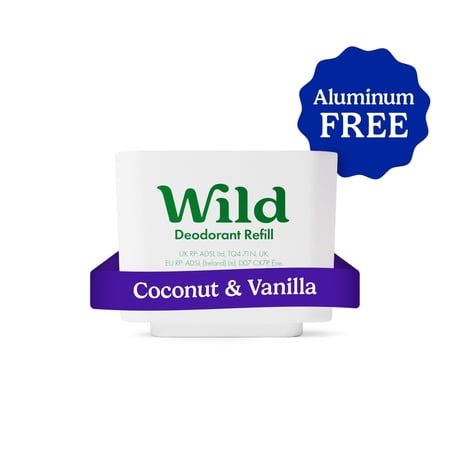
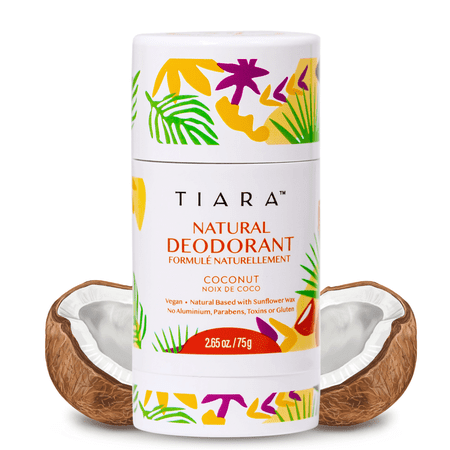
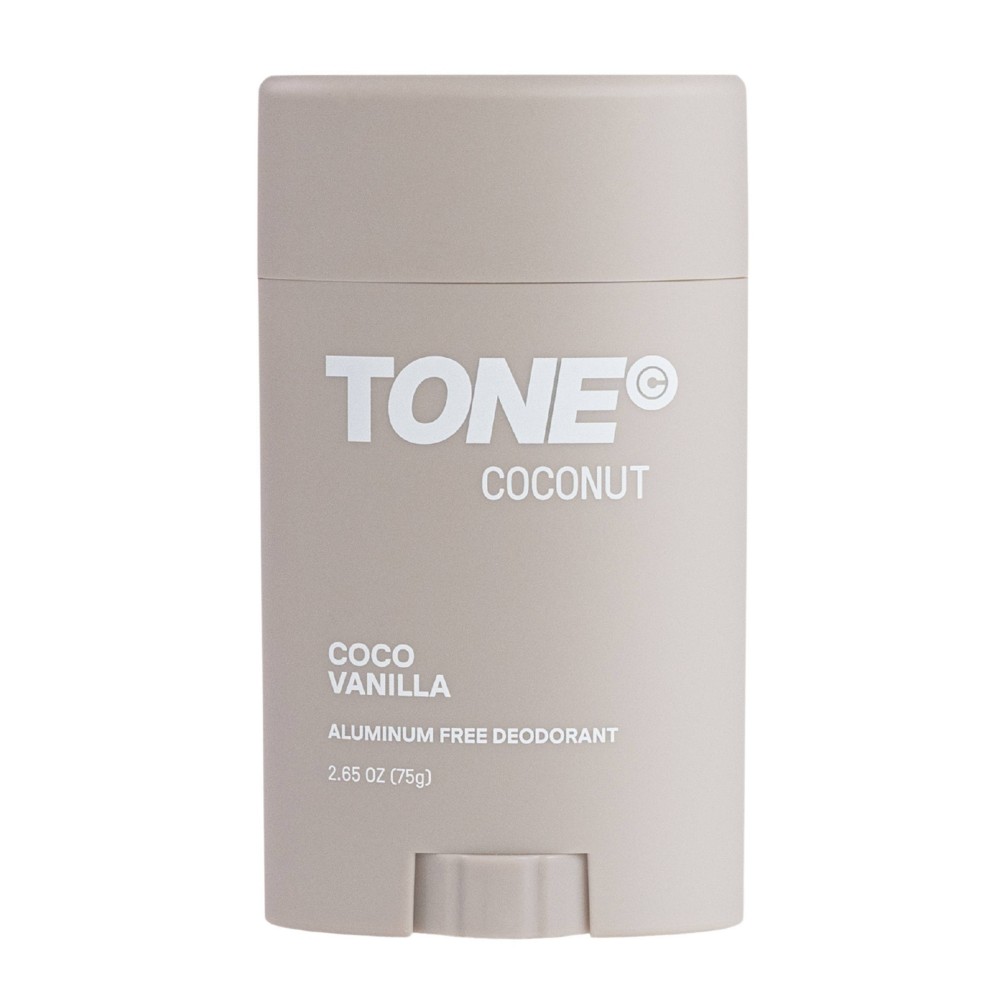
Wild Stick Deodorant Refill Coconut & Vanilla. Aluminum Free for Women and Men 1.4oz
Analysis updated August 2026 · How Scout scores
At a glance
Summary
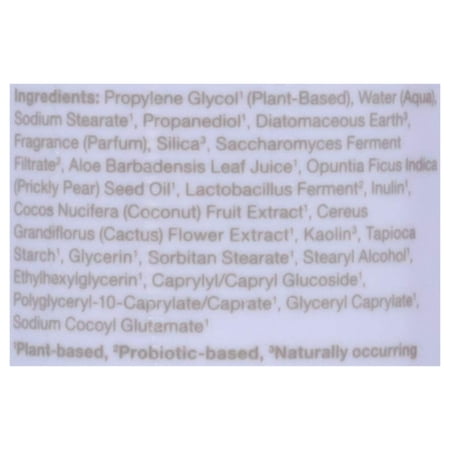
This deodorant is aluminum-free and contains beneficial natural ingredients like tapioca starch, sodium bicarbonate, and magnesium hydroxide, which help control odor and moisture naturally. However, the presence of synthetic fragrance (parfum) and other fragrance-related compounds like limonene and hexyl cinnamal, which can cause skin sensitivities, lowers its score. The product is processed, which also impacts its overall rating.
Key ingredients 19
Magnesium HydroxideVery Good
Magnesium Hydroxide is a natural mineral used as an odor neutralizer. It works by raising the pH of the skin, making it less hospitable to odor-causing bacteria. It is gentle and non-irritating, making it suitable for sensitive skin.
Risks
There are minimal risks associated with this ingredient.
Benefits
It effectively neutralizes odor without causing irritation, making it ideal for sensitive skin.
Sodium BicarbonateGood
Sodium Bicarbonate, or baking soda, is a natural deodorizer. It neutralizes odor by balancing pH levels. It is highly effective in controlling body odor.
Risks
It can cause irritation or rash in some individuals, especially with prolonged use.
Benefits
It is a powerful natural deodorant that effectively neutralizes odors.
Cocos Nucifera OilGood
Cocos Nucifera Oil, or coconut oil, is a natural emollient. It is known for its moisturizing properties and ability to nourish the skin. It is widely used in natural cosmetics.
Risks
There is a risk of clogging pores for some skin types, potentially leading to breakouts.
Benefits
It deeply moisturizes and nourishes the skin, providing a smooth and soft texture.
Butyrospermum Parkii ButterGood
Butyrospermum Parkii Butter, or shea butter, is a natural fat extracted from the nuts of the shea tree. It is known for its moisturizing and anti-inflammatory properties. It is widely used in skincare for its nourishing benefits.
Risks
There are minimal risks, though it may cause allergic reactions in individuals with nut allergies.
Benefits
It deeply moisturizes and soothes the skin, providing anti-inflammatory benefits.
Theobroma Cacao Seed ButterGood
Theobroma Cacao Seed Butter, or cocoa butter, is a natural fat extracted from cocoa beans. It is known for its moisturizing and antioxidant properties. It is widely used in skincare for its ability to nourish and protect the skin.
Risks
There are minimal risks, though it may cause allergic reactions in sensitive individuals.
Benefits
It provides deep moisturization and helps to protect the skin from environmental damage.
Tocopheryl AcetateGood
Beneficial ingredient — whole-food or functional value in this product class.
Risks
There are minimal risks, though it may cause irritation in sensitive individuals.
Benefits
It provides antioxidant protection, helping to maintain skin health.
Helianthus Annuus Seed OilGood
Helianthus Annuus Seed Oil, or sunflower seed oil, is a natural oil rich in vitamins and fatty acids. It is known for its moisturizing and anti-inflammatory properties. It is widely used in skincare for its ability to nourish and protect the skin.
Risks
There are minimal risks, though it may cause allergic reactions in sensitive individuals.
Benefits
It deeply moisturizes and soothes the skin, providing anti-inflammatory benefits.
TocopherolGood
Tocopherol is a form of vitamin E used as an antioxidant. It helps to protect the skin from environmental damage. It is widely used in skincare for its nourishing and protective benefits.
Risks
There are minimal risks, though it may cause irritation in sensitive individuals.
Benefits
It provides antioxidant protection, helping to maintain skin health.
Caprylic/Capric TriglycerideNeutral
Caprylic/Capric Triglyceride is a common emollient derived from coconut oil and glycerin. It is used to improve the spreadability of products. It is generally considered safe and non-irritating.
Risks
There are minimal risks associated with this ingredient, primarily limited to rare allergic reactions.
Benefits
It helps to moisturize and soften the skin, enhancing the texture of the product.
Tapioca StarchNeutral
Standard formulation ingredient — neither beneficial nor harmful at typical use.
Risks
There are minimal risks, though excessive use might lead to dryness in some individuals.
Benefits
It effectively absorbs moisture, helping to keep the skin dry and comfortable.
Stearyl AlcoholNeutral
Stearyl Alcohol is a fatty alcohol used as an emollient and thickener. It helps to stabilize and thicken formulations. It is generally considered safe and non-irritating.
Risks
There are minimal risks, though it may cause irritation in very sensitive individuals.
Benefits
It helps to improve the texture and stability of the product, providing a smooth application.
Triethyl CitrateNeutral
Triethyl Citrate is an ester of citric acid used to control odor. It works by inhibiting the enzymatic breakdown of sweat. It is generally considered safe for use in cosmetics.
Risks
There are minimal risks, though it may cause irritation in sensitive individuals.
Benefits
It helps to control odor by preventing the breakdown of sweat into malodorous compounds.
Helianthus Annuus Seed CeraNeutral
Helianthus Annuus Seed Cera is a wax derived from sunflower seeds. It is used as a thickening agent and emollient. It is generally considered safe and non-irritating.
Risks
There are minimal risks associated with this ingredient.
Benefits
It helps to thicken the product and provides a smooth application.
Zinc RicinoleateNeutral
Zinc Ricinoleate is a zinc salt of ricinoleic acid used to trap and absorb odor molecules. It is effective in controlling body odor. It is generally considered safe for use in cosmetics.
Risks
There are minimal risks, though it may cause irritation in sensitive individuals.
Benefits
It helps to control odor by trapping and absorbing odor molecules.
Benzyl SalicylateNeutral
Benzyl Salicylate is a fragrance ingredient and UV light absorber. It is used to enhance the scent of products. It is generally considered safe, though it can be a skin sensitizer.
Risks
It can cause skin irritation and allergic reactions in sensitive individuals.
Benefits
It enhances the fragrance of the product and provides some UV protection.
CoumarinNeutral
Coumarin is a naturally occurring compound used for fragrance. It is known for its sweet scent reminiscent of vanilla. It is generally considered safe, though it can be a skin sensitizer.
Risks
It can cause skin irritation and allergic reactions in sensitive individuals.
Benefits
It provides a sweet, pleasant scent to the product.
ParfumBad
Parfum, or fragrance, is a synthetic or natural blend used to impart scent. It can contain phthalates and other undisclosed chemicals. It is often associated with allergic reactions and sensitivities.
Risks
It can cause skin irritation, allergic reactions, and may contain endocrine disruptors.
Benefits
It provides a pleasant scent to the product.
LimoneneBad
Limonene is a naturally occurring compound found in citrus oils used for fragrance. It can oxidize and become a skin sensitizer. It is associated with allergic reactions and sensitivities.
Risks
It can cause skin irritation and allergic reactions, especially when oxidized.
Benefits
It provides a fresh citrus scent to the product.
Hexyl CinnamalBad
Hexyl Cinnamal is a synthetic fragrance ingredient used to impart a floral scent. It is known to be a skin sensitizer. It is associated with allergic reactions and sensitivities.
Risks
It can cause skin irritation and allergic reactions.
Benefits
It provides a pleasant floral scent to the product.
Get the full breakdown in the Scout appTake Scout shopping
Scan any product to see lab results, healthy alternatives, and your personalized analysis.
Download on theApp Store GET IT ONGoogle Play