
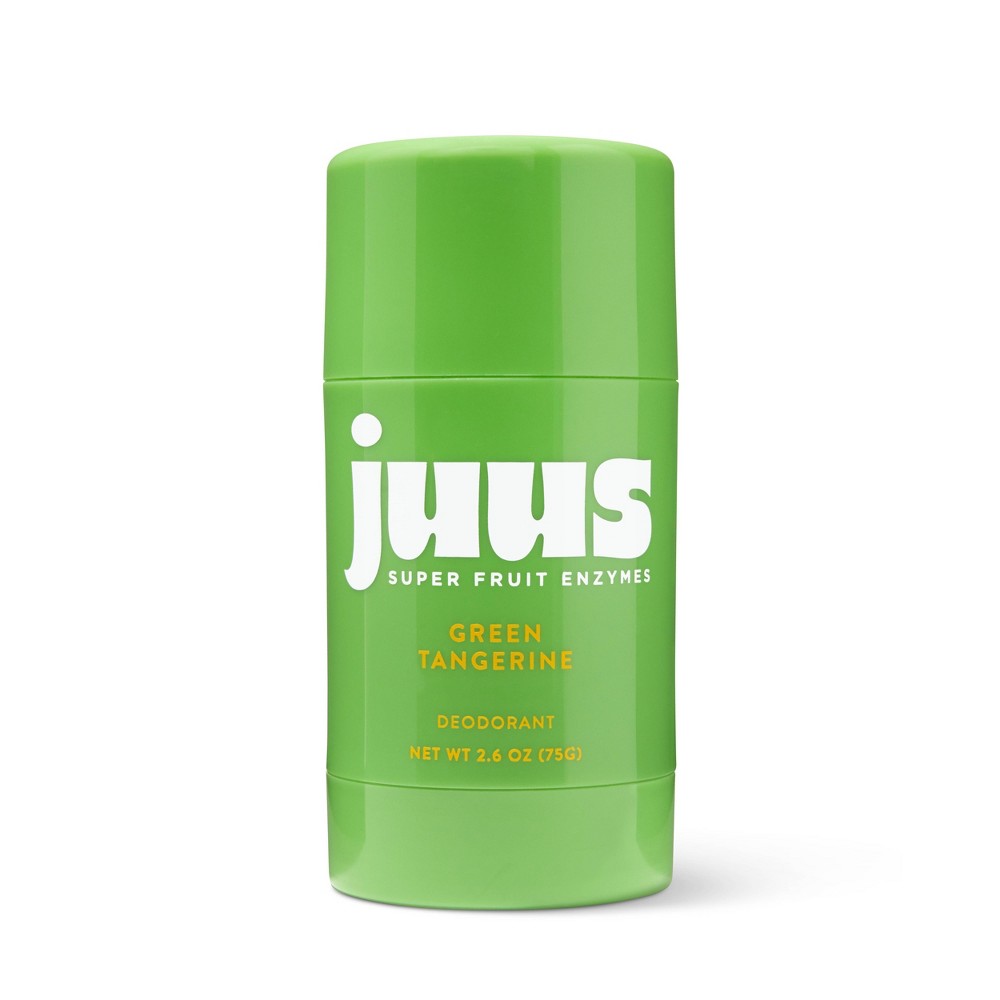
Juus Aluminum-Free Serum Deodorant Stick - Green Tangerine - 2.6oz
Analysis updated September 2026 · How Scout scores
At a glance
Summary
This deodorant is aluminum-free, which is a positive aspect, but it contains synthetic fragrance and butylene glycol, both of which are common in many deodorants and can cause irritation or allergic reactions in some individuals. The presence of beneficial ingredients like probiotics and natural extracts is a plus, but the inclusion of synthetic components prevents it from achieving a higher score.
Key ingredients 15
Lactobacillus/Acerola Cherry FermentGood
This ingredient is a probiotic ferment that can help support the skin's natural microbiome. It is derived from natural sources and is considered beneficial for skin health. Probiotics in skincare are known to help balance the skin's flora.
Benefits
May help to improve skin health and reduce odor by balancing the skin's microbiome.
Lactobacillus/Punica Granatum Fruit Ferment ExtractGood
This is a probiotic extract derived from pomegranate, known for its antioxidant properties. It helps to support the skin's natural defenses and improve overall skin health. Probiotics are beneficial for maintaining a healthy skin microbiome.
Benefits
Provides antioxidant benefits and supports a healthy skin microbiome.
GlycerinGood
Glycerin is a humectant that attracts moisture to the skin, helping to keep it hydrated. It is naturally derived and widely used in skincare products. It is considered safe and beneficial for all skin types.
Benefits
Helps to maintain skin hydration and improve skin barrier function.
Leuconostoc/Radish Root Ferment FiltrateGood
This is a natural preservative derived from fermented radish root. It is effective in inhibiting the growth of harmful bacteria and fungi. It is considered a safer alternative to synthetic preservatives.
Benefits
Provides natural preservation and antimicrobial benefits.
Rubus Fruticosus/Idaeus ExtractGood
This extract is derived from blackberries and raspberries, known for their antioxidant properties. It helps to protect the skin from environmental damage. It is naturally derived and considered beneficial for skin health.
Benefits
Provides antioxidant protection and supports overall skin health.
PropanediolNeutral
Propanediol is a glycol that is often used as a solvent or skin-conditioning agent. It is generally considered safe and non-irritating for most skin types. However, it is a synthetic ingredient derived from corn sugar fermentation.
Risks
There is a potential for skin irritation in sensitive individuals.
Benefits
It helps to improve the texture and feel of the product on the skin.
WaterNeutral
Water is a common solvent used in cosmetic formulations. It acts as a base for dissolving other ingredients. It is essential for the formulation but does not provide direct benefits or risks.
Benefits
It helps to dissolve and distribute other ingredients evenly.
Butylene GlycolNeutral
Butylene Glycol is a common humectant that helps to retain moisture in the skin. It is generally considered safe for use in cosmetics. However, it is a synthetic compound derived from petroleum.
Risks
May cause irritation in very sensitive skin types.
Benefits
It helps to keep the skin hydrated and improves the spreadability of the product.
Sodium StearateNeutral
Sodium Stearate is a salt of stearic acid and is used as a thickener and stabilizer in cosmetics. It is generally recognized as safe for use in personal care products. It is derived from natural fats and oils.
Benefits
It helps to stabilize the formulation and provides a solid structure to stick products.
C12-13 Alketh-9Neutral
C12-13 Alketh-9 is a surfactant and emulsifier used in cosmetic formulations. It helps to mix oil and water components. It is a synthetic compound derived from ethoxylated alcohols.
Risks
May cause mild irritation if used in high concentrations.
Benefits
It improves the texture and consistency of the product.
Citric AcidNeutral
Citric Acid is used to adjust the pH of cosmetic formulations. It is naturally derived from citrus fruits and is generally considered safe. It can also provide mild exfoliating benefits.
Risks
May cause irritation if used in high concentrations.
Benefits
Helps to maintain the stability and effectiveness of the product.
MenthoxypropanediolNeutral
Menthoxypropanediol is a cooling agent derived from menthol. It provides a cooling sensation on the skin without the irritation associated with menthol. It is generally considered safe for use in cosmetics.
Risks
May cause mild irritation in sensitive skin types.
Benefits
Provides a refreshing and cooling sensation on the skin.
EthylhexylglycerinNeutral
Ethylhexylglycerin is a skin-conditioning agent and preservative enhancer. It is considered safe for use in cosmetics and is often used to boost the efficacy of other preservatives. It is derived from glycerin.
Benefits
Enhances the preservation of the product and conditions the skin.
PhenoxyethanolBad
Processed additive flagged under Scout's ingredient doctrine.
Risks
Potential for skin irritation, especially in sensitive individuals.
Benefits
Helps to preserve the product and extend its shelf life.
FragranceVery Bad
Fragrance is a mixture of various scent chemicals and ingredients used to impart a pleasant smell. It is often criticized for containing undisclosed chemicals that may cause irritation or allergic reactions. Synthetic fragrances can also contain phthalates, which are linked to reproductive and organ damage.
Risks
Potential for skin irritation and allergic reactions; may contain undisclosed harmful chemicals.
Benefits
Provides a pleasant scent to the product.
Get the full breakdown in the Scout appTake Scout shopping
Scan any product to see lab results, healthy alternatives, and your personalized analysis.
Download on theApp Store GET IT ONGoogle Play