
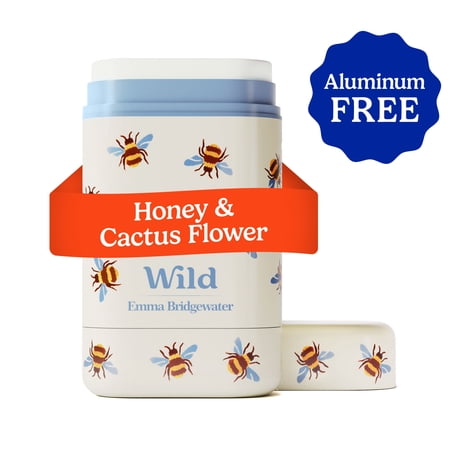
Wild Refillable Deodorant Starter Pack – Aluminum Free. Emma Bridgewater Bee Case + Honey & Cactus Flower Refill for Women and Men 1.4oz
Analysis updated September 2026 · How Scout scores
At a glance
Summary
This deodorant is aluminum-free, which is a positive aspect, and contains several beneficial ingredients like zinc ricinoleate and sage oil that help with odor control. However, it includes synthetic fragrance, which can cause skin irritation and lacks transparency in ingredient disclosure. The presence of propanediol, a glycol, further impacts the score, as it is a common synthetic component in deodorants.
Key ingredients 27
Polyglyceryl-3 CaprylateGood
Polyglyceryl-3 Caprylate is an emulsifier derived from natural sources like glycerin and caprylic acid. It is used to stabilize formulations and is considered safe and non-irritating. It enhances the product's texture and stability.
Benefits
Helps to maintain product consistency and improve skin feel.
Zinc RicinoleateGood
Zinc Ricinoleate is used for its odor-absorbing properties in deodorants. It is derived from castor oil and zinc, making it a natural choice for odor control. It works by trapping and neutralizing odor molecules.
Benefits
Effectively reduces body odor without affecting perspiration.
InulinGood
Inulin is a natural polysaccharide used for its prebiotic properties in skincare. It is derived from plants like chicory root and helps to support the skin's microbiome. It is gentle and suitable for sensitive skin.
Benefits
Supports healthy skin flora and improves skin hydration.
Sphingomonas Ferment ExtractGood
Sphingomonas Ferment Extract is a biotechnologically derived ingredient used for its skin-conditioning properties. It is produced through fermentation and is known for its ability to enhance skin barrier function. It is considered safe and beneficial for skin health.
Benefits
Improves skin resilience and hydration.
TocopherolGood
Tocopherol, or Vitamin E, is an antioxidant used to protect skin and product formulations. It is derived from natural sources like vegetable oils and is known for its skin-conditioning properties. It helps to stabilize formulations and improve skin health.
Benefits
Protects skin from oxidative stress and enhances product stability.
Helianthus Annuus (Sunflower) Seed OilGood
Helianthus Annuus (Sunflower) Seed Oil is a natural oil used for its emollient and moisturizing properties. It is rich in essential fatty acids and vitamins, making it beneficial for skin health. It is minimally processed and considered safe for use.
Benefits
Nourishes and hydrates the skin, improving its texture and appearance.
Salvia Officinalis (Sage) OilGood
Salvia Officinalis (Sage) Oil is an essential oil used for its antimicrobial and deodorizing properties. It is derived from sage leaves and is known for its ability to control odor naturally. It is considered safe and effective in personal care products.
Benefits
Helps to reduce body odor and provides a natural fragrance.
AquaNeutral
Aqua, or water, is used as a solvent in many personal care products. It is typically purified to remove impurities and contaminants. No significant interactions or processing concerns are noted.
See more about Aqua →C15-19 AlkaneNeutral
C15-19 Alkane is a hydrocarbon used for its emollient properties in cosmetics. It is derived from petroleum and is highly refined to ensure safety. It is generally considered safe with no significant interactions.
Risks
Potential for skin irritation in sensitive individuals.
Benefits
Provides a smooth application and helps to lock in moisture.
Triethyl CitrateNeutral
Standard formulation ingredient — neither beneficial nor harmful at typical use.
Benefits
Helps to control odor without blocking sweat glands.
PropanediolNeutral
Propanediol is a glycol used as a solvent and skin-conditioning agent. It is often derived from corn sugar fermentation, making it a more sustainable option. It is generally well-tolerated and non-irritating.
Benefits
Acts as a humectant, helping to retain moisture in the skin.
PPG-20 Methyl Glucose EtherNeutral
PPG-20 Methyl Glucose Ether is a synthetic polymer used for its emollient and conditioning properties. It is derived from glucose and is considered safe for use in cosmetics. It is stable and does not interact negatively with other ingredients.
Benefits
Provides a smooth texture and enhances product spreadability.
Lactic AcidNeutral
Standard formulation ingredient — neither beneficial nor harmful at typical use.
Risks
May cause irritation in sensitive skin if used in high concentrations.
Benefits
Promotes skin renewal and improves moisture retention.
Microcrystalline CelluloseNeutral
Microcrystalline Cellulose is used as a bulking agent and stabilizer in cosmetics. It is derived from plant fibers and is considered safe and inert. It does not interact with other ingredients and is stable in formulations.
Benefits
Provides texture and stability to the product.
Sodium Caproyl/Lauroyl LactylateNeutral
Sodium Caproyl/Lauroyl Lactylate is an emulsifier and surfactant used to enhance product texture. It is derived from natural fatty acids and is considered safe for use. It helps to blend oil and water components effectively.
Benefits
Improves product consistency and enhances skin feel.
Propanediol CaprateNeutral
Propanediol Caprate is used as an emollient and skin-conditioning agent. It is derived from natural sources and is considered safe for use in cosmetics. It provides a smooth application and enhances skin hydration.
Benefits
Helps to soften and moisturize the skin.
Sodium Stearoyl GlutamateNeutral
Sodium Stearoyl Glutamate is an emulsifier used to stabilize formulations. It is derived from natural amino acids and fatty acids, making it a mild and safe choice. It helps to blend ingredients and improve product texture.
Benefits
Enhances product stability and application.
Xanthan GumNeutral
Xanthan Gum is a natural thickening agent used to stabilize and thicken formulations. It is produced through fermentation of sugars and is considered safe for use. It helps to improve the texture and consistency of products.
Benefits
Provides viscosity and stability to the product.
Cellulose GumNeutral
Cellulose Gum is a thickening agent derived from plant fibers. It is used to stabilize and thicken formulations and is considered safe and inert. It does not interact with other ingredients and is stable in formulations.
Benefits
Provides texture and stability to the product.
Rose KetonesNeutral
Rose Ketones are aromatic compounds used for their fragrance in cosmetics. They are derived from natural sources and are considered safe for use. They provide a pleasant scent without significant interactions.
Benefits
Enhances the fragrance profile of the product.
Trimethylcyclopentenyl MethylisopentenolNeutral
Trimethylcyclopentenyl Methylisopentenol is a fragrance ingredient used to impart scent to products. It is synthetically produced and is considered safe for use in cosmetics. It provides a unique fragrance note without significant interactions.
Benefits
Contributes to the overall fragrance of the product.
TerpineolNeutral
Terpineol is a naturally occurring alcohol used for its fragrance and antimicrobial properties. It is derived from pine oil and is considered safe for use in cosmetics. It provides a pleasant scent and mild antimicrobial benefits.
Benefits
Enhances fragrance and provides mild antimicrobial effects.
ParfumBad
Parfum, or fragrance, is used to impart scent to products but can contain undisclosed synthetic chemicals. It is often associated with allergies and sensitivities. The lack of transparency in its composition is a concern.
Risks
Potential for allergic reactions and skin irritation.
Benefits
Provides a pleasant scent to the product.
Sodium BenzoateBad
Sodium Benzoate is a preservative used to prevent microbial growth in products. It is synthetically produced and can form benzene, a carcinogen, under certain conditions. Its use is controversial due to potential health concerns.
Risks
Potential to form benzene when combined with ascorbic acid.
Benefits
Extends the shelf life of the product by preventing spoilage.
Potassium SorbateBad
Potassium Sorbate is a preservative used to inhibit mold and yeast growth. It is synthetically produced and can cause skin irritation in sensitive individuals. Its use is common in cosmetics to extend shelf life.
Risks
Potential for skin irritation and allergic reactions.
Benefits
Prevents spoilage and extends product shelf life.
FructoseBad
Processed additive flagged under Scout's ingredient doctrine.
Benefits
Enhances skin hydration and product feel.
LimoneneBad
Limonene is a fragrance compound found in citrus oils, used for its fresh scent. It can oxidize and cause skin irritation or allergic reactions in sensitive individuals. It is often used in small concentrations to minimize risks.
Risks
Potential for skin irritation and allergic reactions upon oxidation.
Benefits
Provides a refreshing citrus scent to the product.
Processing
Processed Foods
Get the full breakdown in the Scout appTake Scout shopping
Scan any product to see lab results, healthy alternatives, and your personalized analysis.
Download on theApp Store GET IT ONGoogle PlayAmazon pricing & content
Amazon price as of . Product prices and availability are accurate as of the date/time indicated and are subject to change. Any price and availability information displayed on Amazon.com at the time of purchase will apply to the purchase of this product.
CERTAIN CONTENT THAT APPEARS ON THIS SITE COMES FROM AMAZON. THIS CONTENT IS PROVIDED “AS IS” AND IS SUBJECT TO CHANGE OR REMOVAL AT ANY TIME.