


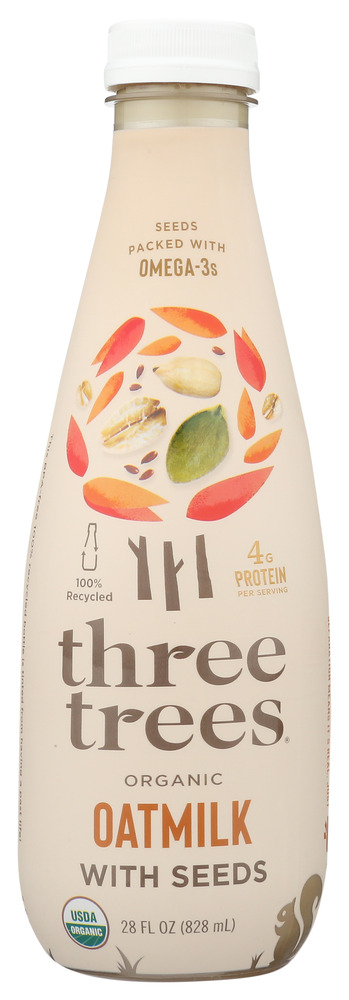
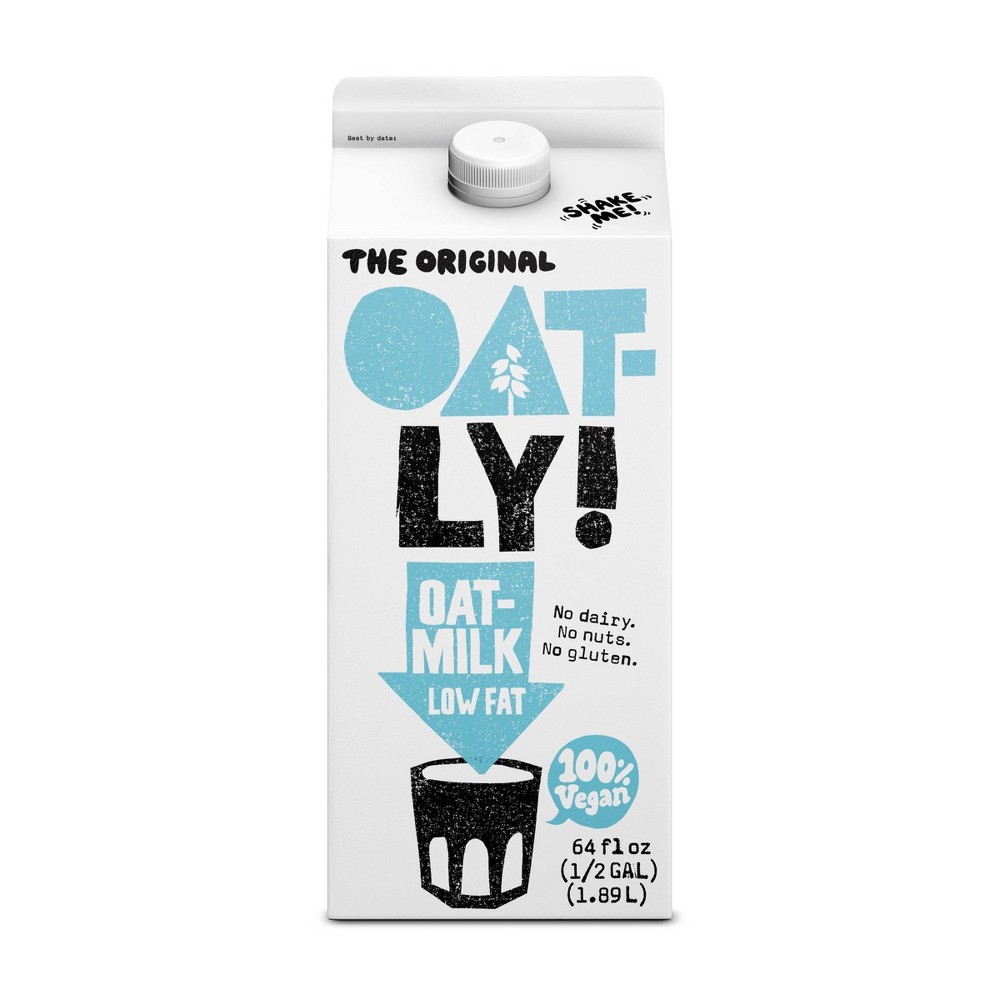
OATMILK + Protein
Summary
This oatmilk product is ultra-processed, which limits its potential health score. While it contains beneficial ingredients like oats and sea salt, it also includes high oleic sunflower oil, a processed seed oil, and several additives such as gellan gum and guar gum. These factors, combined with the presence of natural flavors, contribute to a lower score due to concerns about processing and potential digestive issues.
At a glance
Key ingredients 11
OatmilkGood
Oatmilk is a plant-based milk alternative that is naturally lactose-free and suitable for vegans. It is made from oats and water, providing a source of dietary fiber and some vitamins. It is less processed compared to other plant-based milks.
Benefits
Provides dietary fiber and is a good alternative for those with lactose intolerance or dairy allergies.
Filtered WaterNeutral
Filtered water is used as a base in many beverages and foods. It is free from impurities and contaminants. It serves as a neutral carrier for other ingredients.
See more about Filtered Water →OatsGood
Oats are a whole grain that provides dietary fiber, particularly beta-glucan, which can help lower cholesterol levels. They are minimally processed and retain most of their nutrients. Oats are also a source of vitamins, minerals, and antioxidants.
Benefits
Rich in dietary fiber and beneficial for heart health due to their cholesterol-lowering properties.
Pea ProteinNeutral
Pea protein is a plant-based protein source that is often used in vegan and vegetarian products. It is derived from yellow peas and provides a good amino acid profile. However, it is less bioavailable compared to animal-based proteins.
Risks
May cause digestive discomfort in some individuals due to its high fiber content.
Benefits
Provides a plant-based protein option for those avoiding animal products.
High Oleic Sunflower OilVery Bad
High oleic sunflower oil is a type of seed oil high in monounsaturated fats but still considered a seed oil. It is highly processed and can contribute to an imbalance of omega-6 fatty acids in the diet. Despite being high in oleic acid, it is not as beneficial as other oils like olive oil.
Risks
High omega-6 content may promote inflammation when consumed in excess.
Benefits
Contains monounsaturated fats which are generally better than polyunsaturated fats found in other seed oils.
Calcium CarbonateNeutral
Calcium carbonate is used as a calcium supplement and fortifying agent in foods. It is a common and inexpensive source of calcium. However, its absorption can be lower compared to other forms of calcium.
Risks
Excessive intake may lead to hypercalcemia or kidney stones.
Benefits
Provides a source of calcium which is essential for bone health.
Gellan GumBad
Gellan gum is a food additive used as a thickener or stabilizer. It is produced through bacterial fermentation and is considered safe in small amounts. However, it is an additive that can cause digestive issues in sensitive individuals.
Risks
May cause digestive discomfort such as bloating or gas in some individuals.
Sea SaltGood
Sea salt is a natural source of sodium and trace minerals. It is less processed than table salt and retains some beneficial minerals. It is used to enhance flavor in foods.
Risks
Excessive sodium intake can lead to high blood pressure and cardiovascular issues.
Benefits
Provides essential sodium and trace minerals that are beneficial in moderation.
Natural FlavorsBad
Natural flavors are additives used to enhance the taste of food products. They are derived from natural sources but are highly processed. The exact composition is often undisclosed, leading to potential allergen concerns.
Risks
Potential allergen concerns and lack of transparency in ingredient composition.
Guar GumBad
Guar gum is a thickening agent derived from guar beans. It is used to improve texture and stability in food products. However, it is an additive that can cause digestive issues in sensitive individuals.
Risks
May cause digestive discomfort such as bloating or gas in some individuals.
Potassium PhosphatesNeutral
Potassium phosphates are used as emulsifiers and stabilizers in food products. They help maintain texture and extend shelf life. While generally recognized as safe, they are additives with no nutritional benefits.
Risks
Excessive intake may affect kidney function in susceptible individuals.
Processing
Ultra-Processed Foods
Get the full breakdown in the Scout app
Scan any product to see lab results, healthy alternatives, and your personalized analysis.
Download on theApp Store