
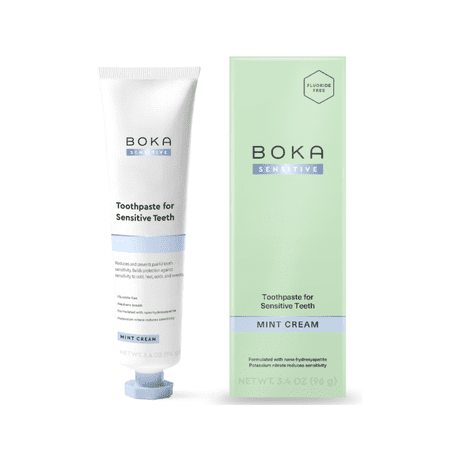
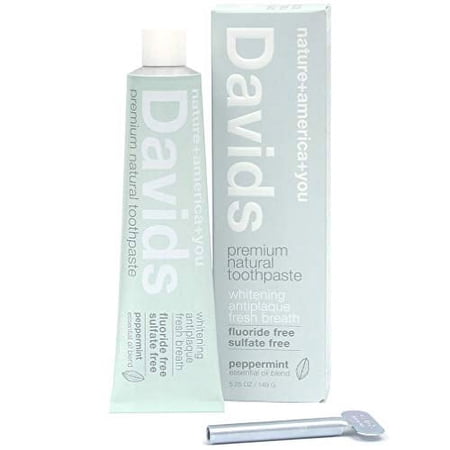
Boka Fluoride Free Sensitive Toothpaste Nano Hydroxyapatite Toothpaste Mint Cream Flavor - 3.4oz
Summary
This toothpaste contains beneficial ingredients like hydroxyapatite, which helps remineralize tooth enamel, and xylitol, which reduces the risk of cavities. However, the presence of sodium benzoate, a synthetic preservative with potential health concerns, slightly impacts the overall score. The product is processed, which also influences the rating, but the use of natural flavorings and sweeteners contributes positively to its formulation.
At a glance
Key ingredients 21
WaterNeutral
Water is a neutral ingredient primarily used as a solvent in toothpaste formulations. It is typically purified to remove impurities and ensure safety. In this product, it serves as a base for other ingredients.
See more about Water →GlycerinGood
Glycerin is a humectant that helps retain moisture in toothpaste, preventing it from drying out. It is typically derived from plant oils and is considered safe for oral care. Additionally, it provides a sweet taste without promoting tooth decay.
Benefits
Helps maintain moisture and provides a sweet taste without contributing to cavities.
Hydrated SilicaNeutral
Hydrated silica is used as an abrasive agent to help remove plaque and stains from teeth. It is processed to ensure a fine texture that is effective yet gentle on enamel. Its inclusion is standard in many toothpaste formulations.
Benefits
Effective in cleaning teeth and removing surface stains.
HydroxyapatiteVery Good
Hydroxyapatite is a naturally occurring mineral that helps remineralize tooth enamel and reduce sensitivity. It is a biocompatible material that mimics the mineral composition of natural teeth. This ingredient is a beneficial alternative to fluoride in oral care products.
Benefits
Supports enamel remineralization and reduces tooth sensitivity.
Sodium BenzoateBad
Sodium benzoate is a preservative used to prevent microbial growth in toothpaste. It is synthetically produced and can form benzene, a carcinogen, under certain conditions. Its use is generally considered safe in small amounts, but it is not without controversy.
Risks
Potential formation of benzene, a carcinogen, under certain conditions.
Benefits
Prevents microbial growth, extending the shelf life of the product.
Xanthan GumNeutral
Xanthan gum is a thickening agent used to stabilize toothpaste consistency. It is produced through the fermentation of sugars by Xanthomonas campestris bacteria. This ingredient is widely used in food and personal care products for its stabilizing properties.
Benefits
Stabilizes product consistency and prevents separation.
XylitolVery Good
Xylitol is a sugar alcohol that provides sweetness without promoting tooth decay. It is derived from plant sources and has been shown to reduce the risk of cavities by inhibiting the growth of decay-causing bacteria. Its inclusion in toothpaste is beneficial for oral health.
Benefits
Reduces the risk of cavities and promotes oral health.
Peppermint OilGood
Peppermint oil is used for its flavoring properties and potential antimicrobial effects. It is extracted from the leaves of the peppermint plant and provides a refreshing taste. Additionally, it may help reduce oral bacteria and freshen breath.
Benefits
Provides a refreshing taste and may reduce oral bacteria.
Sodium Lauroyl SarcosinateNeutral
Sodium lauroyl sarcosinate is a mild surfactant used to create foam and aid in the cleaning process. It is derived from sarcosine, a naturally occurring amino acid, and is considered gentle on the skin and mucous membranes. Its use in toothpaste helps improve the product's texture and cleaning ability.
Benefits
Enhances foaming and cleaning properties of the toothpaste.
Spearmint Leaf OilGood
Spearmint leaf oil is used for its flavor and potential antimicrobial properties. It is extracted from the leaves of the spearmint plant and provides a mild, refreshing taste. Its inclusion in toothpaste can help freshen breath and may contribute to oral hygiene.
Benefits
Provides a mild, refreshing taste and may support oral hygiene.
Stevia Rebaudiana Leaf/Stem ExtractGood
Stevia rebaudiana leaf/stem extract is a natural sweetener that provides sweetness without calories. It is derived from the leaves of the stevia plant and is considered safe for use in oral care products. Its inclusion helps enhance flavor without contributing to tooth decay.
Benefits
Provides sweetness without calories and does not promote tooth decay.
Dimethyl SulfoneNeutral
Dimethyl sulfone, also known as MSM, is included for its potential anti-inflammatory properties. It is a naturally occurring compound found in plants and animals. Its role in toothpaste is not well-defined, but it may contribute to overall oral health.
Benefits
May provide anti-inflammatory benefits, although its role in toothpaste is not well-defined.
Aloe Vera Leaf JuiceGood
Aloe vera leaf juice is known for its soothing and healing properties. It is extracted from the leaves of the aloe plant and is used in toothpaste for its potential to soothe gums and promote oral health. Its natural origin and gentle properties make it a beneficial addition.
Benefits
Soothes gums and promotes oral health with its natural healing properties.
Sodium BicarbonateGood
Sodium bicarbonate, commonly known as baking soda, is used for its mild abrasive and whitening properties. It is a natural compound that helps neutralize acids in the mouth and remove surface stains. Its inclusion in toothpaste is beneficial for maintaining oral hygiene.
Benefits
Neutralizes acids and helps whiten teeth by removing surface stains.
Wintergreen Leaf OilGood
Wintergreen leaf oil is used for its flavor and potential analgesic properties. It is extracted from the leaves of the wintergreen plant and provides a distinct, refreshing taste. Its inclusion in toothpaste can enhance flavor and may offer mild pain relief for sensitive gums.
Benefits
Enhances flavor and may provide mild pain relief for sensitive gums.
Anise OilGood
Anise oil is used for its flavor and potential antimicrobial properties. It is extracted from the seeds of the anise plant and provides a unique, licorice-like taste. Its inclusion in toothpaste can help freshen breath and may contribute to oral hygiene.
Benefits
Provides a unique flavor and may support oral hygiene.
Cardamom Seed OilGood
Cardamom seed oil is used for its flavor and potential antimicrobial effects. It is extracted from the seeds of the cardamom plant and provides a warm, spicy taste. Its inclusion in toothpaste can enhance flavor and may help reduce oral bacteria.
Benefits
Enhances flavor and may help reduce oral bacteria.
Green Tea Leaf ExtractVery Good
Green tea leaf extract is included for its antioxidant and antimicrobial properties. It is derived from the leaves of the Camellia sinensis plant and is known to support oral health by reducing inflammation and bacterial growth. Its natural origin and health benefits make it a valuable addition to toothpaste.
Benefits
Supports oral health with antioxidant and antimicrobial properties.
Cucumber Fruit ExtractGood
Cucumber fruit extract is used for its soothing and hydrating properties. It is derived from the fruit of the cucumber plant and can help soothe gums and provide a refreshing sensation. Its natural origin and gentle properties make it a beneficial addition to oral care products.
Benefits
Soothes gums and provides a refreshing sensation.
Mango Fruit ExtractGood
Mango fruit extract is included for its flavor and potential antioxidant properties. It is derived from the fruit of the mango plant and provides a sweet, tropical taste. Its inclusion in toothpaste can enhance flavor and may offer additional health benefits.
Benefits
Enhances flavor and may provide antioxidant benefits.
Avocado Fruit ExtractGood
Avocado fruit extract is used for its moisturizing and nourishing properties. It is derived from the fruit of the avocado plant and can help soothe and protect oral tissues. Its natural origin and beneficial properties make it a valuable addition to toothpaste.
Benefits
Moisturizes and nourishes oral tissues, promoting overall oral health.
Processing
Processed Foods
Get the full breakdown in the Scout app
Scan any product to see lab results, healthy alternatives, and your personalized analysis.
Download on theApp Store