
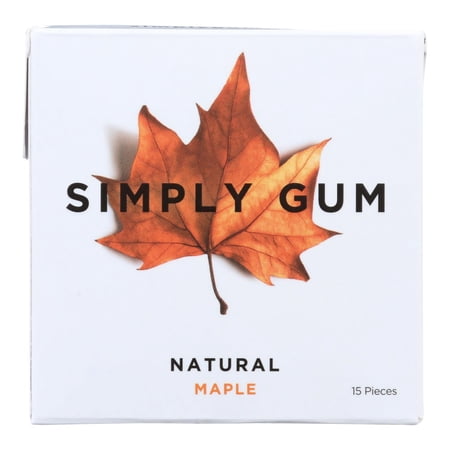


Simply Gum Maple Natural Gum 15ct
Analysis updated August 2026 · How Scout scores
At a glance
Summary
This gum contains organic raw cane sugar as a primary ingredient, which contributes to high sugar content and caloric intake without essential nutrients. While it uses natural chicle and organic vegetable glycerin, which are minimally processed and environmentally friendly, the overall processing level and high sugar content limit its health benefits. The use of organic ingredients is a positive aspect, but the product remains a processed food with significant sugar content.
Key ingredients 7
natural chicleNeutral
Natural chicle is a traditional chewing gum base ingredient, generally considered safe and neutral in health impact.
natural maple flavorNeutral
Natural maple flavor adds taste without significant health concerns, serving mainly as a flavoring agent.
organic vegetable glycerinNeutral
Organic vegetable glycerin is used as a sweetener and humectant, generally recognized as safe and neutral.
See more about organic vegetable glycerin →organic rice flourNeutral
Organic rice flour acts as a filler or binder, with no significant health risks associated.
See more about organic rice flour →citric acidNeutral
Citric acid is a common additive used for flavor and preservation, considered safe in typical amounts.
See more about citric acid →candelilla waxNeutral
Candelilla wax is a plant-based wax used as a coating or stabilizer, with no notable health concerns.
See more about candelilla wax →organic raw cane sugarBad
This ingredient is high in sugars, which can contribute to dental issues and excessive calorie intake if consumed in large amounts.
See more about organic raw cane sugar →Processing
Processed Foods
Get the full breakdown in the Scout appTake Scout shopping
Scan any product to see lab results, healthy alternatives, and your personalized analysis.
Download on theApp Store GET IT ONGoogle PlayAmazon pricing & content
Amazon price as of . Product prices and availability are accurate as of the date/time indicated and are subject to change. Any price and availability information displayed on Amazon.com at the time of purchase will apply to the purchase of this product.
CERTAIN CONTENT THAT APPEARS ON THIS SITE COMES FROM AMAZON. THIS CONTENT IS PROVIDED “AS IS” AND IS SUBJECT TO CHANGE OR REMOVAL AT ANY TIME.