
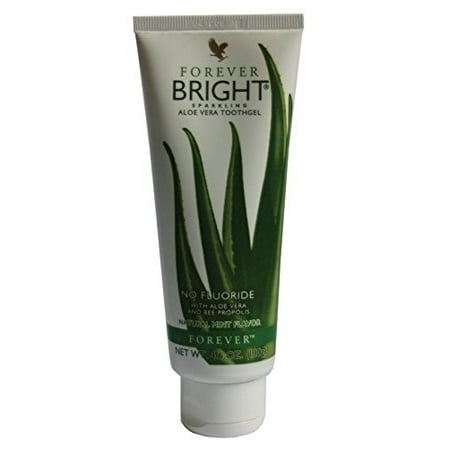

forever living bright toothgel, 4.6 oz, natural mint flavor
Analysis updated August 2026 · How Scout scores
At a glance
Summary
This toothgel contains beneficial ingredients like aloe vera and natural mint flavors, which are soothing and antimicrobial. However, the presence of sodium lauryl sulfate, a known mucosal irritant, significantly impacts its safety profile for oral use. The product is minimally processed, but the inclusion of SLS prevents it from achieving a higher rating.
Key ingredients 8
Aloe Barbadensis Leaf JuiceGood
Aloe vera is known for its soothing properties, making it beneficial for oral tissues. It can help reduce inflammation and promote healing in the mouth.
Risks
There are minimal risks associated with aloe vera, though some individuals may experience allergic reactions.
Benefits
Aloe vera can soothe oral tissues and may help in reducing gum inflammation.
GlycerinGood
Beneficial ingredient — whole-food or functional value in this product class.
Risks
There are minimal risks associated with glycerin, though it may cause irritation in sensitive individuals.
Benefits
Glycerin helps maintain the moisture and texture of the toothpaste.
Natural Peppermint FlavorGood
Natural peppermint flavor provides a refreshing taste and has antimicrobial properties that can help maintain oral hygiene. It is derived from natural mint oils.
Risks
There are minimal risks, though some individuals may experience sensitivity or allergic reactions.
Benefits
Peppermint flavor freshens breath and may help reduce oral bacteria.
Natural Spearmint FlavorGood
Natural spearmint flavor offers a pleasant taste and has antimicrobial properties, contributing to fresh breath and oral health. It is derived from natural mint oils.
Risks
There are minimal risks, though some individuals may experience sensitivity or allergic reactions.
Benefits
Spearmint flavor helps freshen breath and may aid in reducing oral bacteria.
SorbitolNeutral
Sorbitol is a sugar alcohol used as a sweetener and humectant in oral care products. It helps maintain moisture and provides a sweet taste without promoting tooth decay.
Risks
Excessive consumption of sorbitol can lead to digestive issues such as bloating and diarrhea.
Benefits
Sorbitol does not contribute to tooth decay and helps keep the product moist.
Hydrated SilicaNeutral
Hydrated silica is used as an abrasive agent to help remove plaque and stains from teeth. It is generally considered safe for use in oral care products.
Risks
Overuse of products with hydrated silica can potentially lead to enamel wear over time.
Benefits
It effectively aids in cleaning teeth by removing surface stains and plaque.
Bee PropolisNeutral
Bee propolis is a resinous substance with potential antimicrobial and anti-inflammatory properties. It is sometimes used in oral care for its potential benefits.
Risks
Some individuals may be allergic to bee products, which can cause reactions.
Benefits
Bee propolis may help in reducing oral bacteria and inflammation.
Sodium Lauryl SulfateVery Bad
Sodium Lauryl Sulfate (SLS) is a surfactant used to create foam in toothpaste. It is a known mucosal irritant and has been linked to mouth ulcers and damage to oral tissues.
Risks
SLS can cause irritation and contribute to the development of mouth ulcers in sensitive individuals.
Benefits
It helps in the foaming action of toothpaste, which can aid in cleaning.
Get the full breakdown in the Scout appTake Scout shopping
Scan any product to see lab results, healthy alternatives, and your personalized analysis.
Download on theApp Store GET IT ONGoogle PlayAmazon pricing & content
Amazon price as of . Product prices and availability are accurate as of the date/time indicated and are subject to change. Any price and availability information displayed on Amazon.com at the time of purchase will apply to the purchase of this product.
CERTAIN CONTENT THAT APPEARS ON THIS SITE COMES FROM AMAZON. THIS CONTENT IS PROVIDED “AS IS” AND IS SUBJECT TO CHANGE OR REMOVAL AT ANY TIME.