

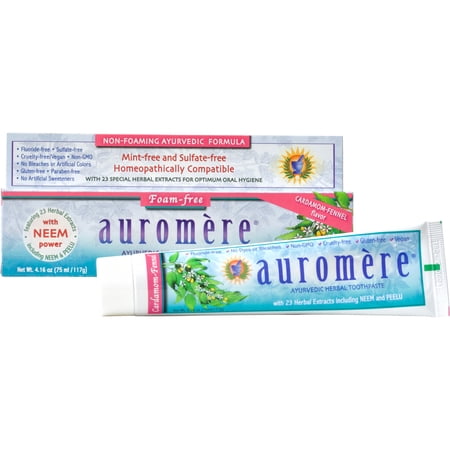

Tom s of Maine Propolis & Myrrh Toothpaste with Fluoride Fennel 5.5 OZ
Analysis updated August 2026 · How Scout scores
At a glance
Summary
This toothpaste contains beneficial ingredients like xylitol, which helps reduce cavity-causing bacteria, and natural extracts such as myrrh and propolis, which offer antimicrobial properties. However, the presence of sodium lauryl sulfate, a known mucosal irritant, is a significant concern for oral health. The product is processed, which also impacts its overall rating.
Key ingredients 12
XylitolVery Good
Xylitol is a natural sweetener that has been shown to reduce cavity-causing bacteria in the mouth. It is beneficial for oral health as it helps to prevent tooth decay. Additionally, xylitol can enhance the flavor of toothpaste without the negative effects of artificial sweeteners.
Risks
Excessive consumption of xylitol can cause digestive discomfort.
Benefits
It reduces cavity-causing bacteria and helps prevent tooth decay.
GlycerinGood
Beneficial ingredient — whole-food or functional value in this product class.
Risks
There are no significant risks associated with glycerin in toothpaste.
Benefits
It helps to keep the toothpaste moist and spreadable.
Commiphora myrrha resin extractGood
Commiphora myrrha resin extract, commonly known as myrrh, has natural antimicrobial properties that can benefit oral health. It is traditionally used for its soothing and healing effects on oral tissues. However, its effectiveness in toothpaste is not as well-studied as other ingredients.
Risks
Allergic reactions are possible, though rare.
Benefits
It has antimicrobial properties that can help maintain oral health.
Propolis extractGood
Propolis extract is known for its antimicrobial and anti-inflammatory properties, which can be beneficial for oral health. It may help reduce plaque formation and support gum health. However, its effectiveness can vary based on concentration and formulation.
Risks
Allergic reactions can occur, especially in individuals allergic to bee products.
Benefits
It provides antimicrobial benefits and supports gum health.
Calcium carbonateNeutral
Calcium carbonate is a common abrasive used in toothpaste to help remove plaque and surface stains. It is generally considered safe and effective for this purpose. However, it does not provide any additional oral health benefits beyond its abrasive properties.
Risks
Excessive use of abrasive agents can potentially wear down enamel over time.
Benefits
It helps in cleaning teeth by removing plaque and surface stains.
WaterNeutral
Water is used as a solvent in toothpaste formulations to dissolve other ingredients and provide the desired consistency. It is an inert ingredient with no direct impact on oral health.
Risks
There are no risks associated with water in toothpaste.
Benefits
It acts as a solvent and helps in achieving the desired consistency of the toothpaste.
Hydrated silicaNeutral
Hydrated silica is used as an abrasive agent in toothpaste to help remove plaque and stains. It is considered safe for use in oral care products. However, it does not provide any additional health benefits beyond its abrasive action.
Risks
Overuse of abrasive agents can potentially lead to enamel wear.
Benefits
It aids in cleaning teeth by removing plaque and surface stains.
Xanthan gumNeutral
Xanthan gum is used as a thickening agent in toothpaste to provide the desired texture and stability. It is generally recognized as safe for use in oral care products. However, it does not contribute to oral health beyond its role as a stabilizer.
Risks
There are no significant risks associated with xanthan gum in toothpaste.
Benefits
It helps to stabilize the toothpaste and maintain its texture.
Fennel oilNeutral
Fennel oil is used in toothpaste for its flavoring properties and potential antimicrobial effects. It is generally safe for use in oral care products. However, its contribution to oral health is primarily through flavor enhancement.
Risks
Allergic reactions are possible, though uncommon.
Benefits
It enhances flavor and may provide mild antimicrobial effects.
Benzyl alcoholBad
Processed additive flagged under Scout's ingredient doctrine.
Risks
In high concentrations, it can cause irritation, but it is generally safe in toothpaste.
Benefits
It acts as a preservative to prevent microbial growth.
Natural flavorBad
Umbrella term that can hide dozens of undisclosed synthetic constituents.
Risks
Potential allergens may be present, but risks are generally low.
Benefits
It improves the taste of the toothpaste, making it more pleasant to use.
Sodium lauryl sulfateVery Bad
Sodium lauryl sulfate (SLS) is a surfactant used to create foam in toothpaste, but it is a known mucosal irritant. It has been linked to mouth ulcers and can damage oral epithelial tissue. Its presence in oral care products is controversial due to these potential side effects.
Risks
It can cause mouth ulcers and irritation of the oral mucosa.
Benefits
It helps in creating foam, which can aid in the distribution of toothpaste.
Get the full breakdown in the Scout appTake Scout shopping
Scan any product to see lab results, healthy alternatives, and your personalized analysis.
Download on theApp Store GET IT ONGoogle Play