

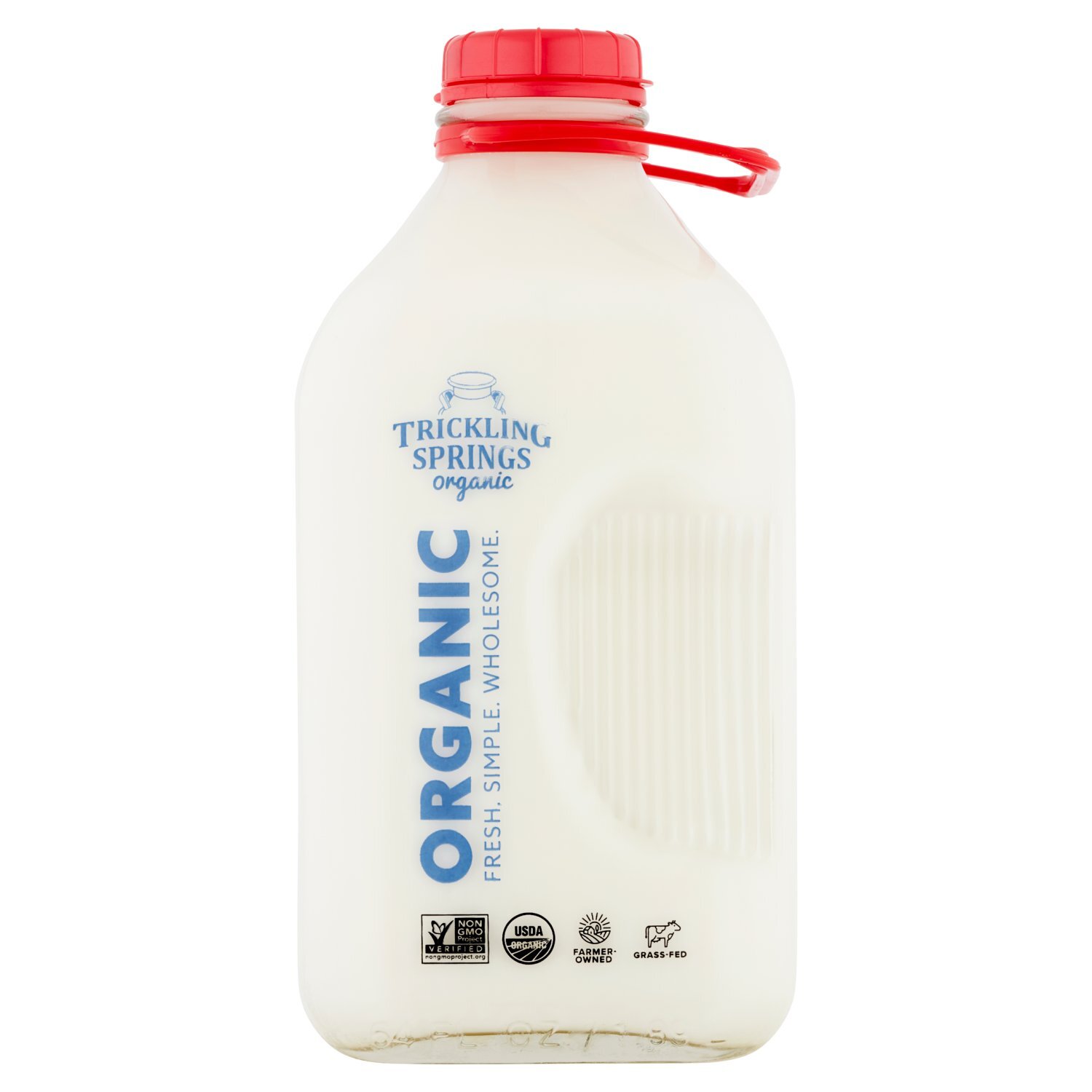


Milk Whole Milk Creamline
Analysis updated June 2026 · How Scout scores
At a glance
Summary
This product consists of minimally processed ingredients, primarily pasteurized milk, which retains essential nutrients like calcium and vitamin D. The absence of harmful additives and the non-homogenized nature of the milk contribute to its high score, reflecting its status as a wholesome and nutritious dairy option.
Key ingredients 3
Pasteurized MilkGood
Pasteurized milk is a safe and nutritious dairy product that retains most of its natural nutrients after the pasteurization process, making it a wholesome choice.
See more about Pasteurized Milk →Vitamin D3Good
Beneficial ingredient — whole-food or functional value in this product class.
See more about Vitamin D3 →Non-Homogenized MilkGood
Non-homogenized milk allows the cream to naturally separate, preserving more of the milk's original texture and flavor, which many consumers prefer.
Processing
Unprocessed or Minimally Processed Foods
Get the full breakdown in the Scout appTake Scout shopping
Scan any product to see lab results, healthy alternatives, and your personalized analysis.
Download on theApp Store GET IT ONGoogle PlayAmazon pricing & content
Amazon price as of . Product prices and availability are accurate as of the date/time indicated and are subject to change. Any price and availability information displayed on Amazon.com at the time of purchase will apply to the purchase of this product.
CERTAIN CONTENT THAT APPEARS ON THIS SITE COMES FROM AMAZON. THIS CONTENT IS PROVIDED “AS IS” AND IS SUBJECT TO CHANGE OR REMOVAL AT ANY TIME.