
11 vitamines
Summary
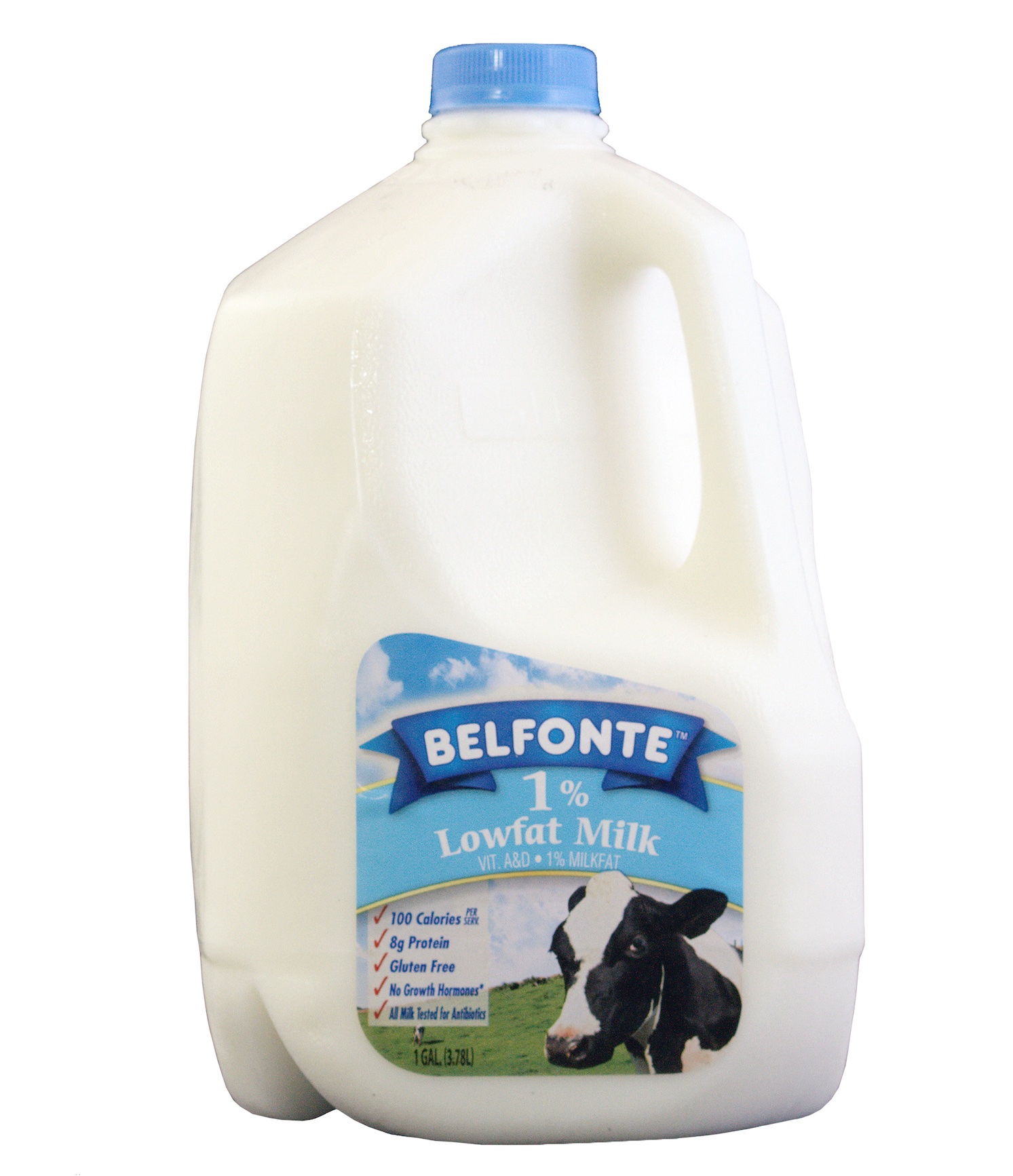
This product is composed primarily of whole milk, which is minimally processed and rich in essential nutrients like calcium and vitamin D. The inclusion of milk proteins and minerals further enhances its nutritional profile, providing high-quality protein and essential minerals. The product's clean label and minimal processing contribute to its high rating.
At a glance
Key ingredients 5
Whole milkGood
Whole milk is a minimally processed dairy product rich in essential nutrients. It provides a good source of calcium, vitamin D, and high-quality protein. The fat content in whole milk supports the absorption of fat-soluble vitamins.
Risks
Some individuals may be lactose intolerant or allergic to milk proteins.
Benefits
Rich in calcium and vitamin D, which are essential for bone health. Provides high-quality protein and beneficial fats that support overall health.
Milk proteinsGood
Milk proteins are a high-quality source of essential amino acids. They support muscle repair and growth. These proteins are easily digestible and have a high biological value.
Risks
May cause allergic reactions in individuals with milk protein allergies.
Benefits
Supports muscle repair and growth due to its complete amino acid profile. Easily digestible and beneficial for maintaining muscle mass.
Milk mineralsGood
Milk minerals provide essential nutrients such as calcium, phosphorus, and magnesium. These minerals are crucial for bone health and metabolic functions. They are naturally occurring in milk and contribute to its nutritional value.
Benefits
Contributes to bone health and supports metabolic functions. Provides essential minerals that are naturally present in milk.
Lactic fermentsNeutral
Lactic ferments are used in dairy products to aid fermentation and improve gut health. They help in the digestion of lactose and can enhance the probiotic content of the product. However, their impact depends on the specific strains used and their viability.
Benefits
May improve gut health by aiding digestion and providing probiotics. Can enhance the nutritional profile of dairy products.
Vitamin DNeutral
Vitamin D is added to milk to enhance its nutritional profile, supporting bone health and immune function. It is essential for calcium absorption and maintaining healthy bones. The fortification process ensures adequate intake, especially in populations with limited sun exposure.
Benefits
Supports bone health and immune function by aiding calcium absorption. Fortification helps prevent vitamin D deficiency.
Processing
Unprocessed or Minimally Processed Foods
Get the full breakdown in the Scout app
Scan any product to see lab results, healthy alternatives, and your personalized analysis.
Download on theApp Store