
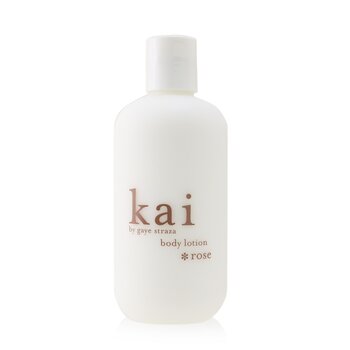


Kai Rose Body Lotion
Summary
Kai Rose Body Lotion contains a mix of natural and synthetic ingredients, which places it in the mid-range for ingredient safety. While it includes beneficial components like natural oils and botanicals, the presence of synthetic fragrance and other processed elements reduces its overall score. The product's processing level and inclusion of some synthetic additives prevent it from achieving a higher rating.
At a glance
Key ingredients 44
Water/Aqua
Water is a universal solvent and is used as a base in many cosmetic formulations. It helps dissolve other ingredients and provides hydration to the skin. It is essential for the consistency and application of the lotion.
Risks
There are no significant risks associated with water in cosmetics.
Benefits
Water hydrates the skin and helps in the absorption of other beneficial ingredients.
Glycerin
Glycerin is a humectant that attracts moisture to the skin, helping to keep it hydrated. It is commonly used in skincare products for its moisturizing properties. It also helps to improve the skin barrier function.
Risks
There are minimal risks associated with glycerin, though it can cause irritation in very sensitive skin.
Benefits
Glycerin helps maintain skin hydration and improves skin smoothness.
Carthamus Tinctorius (Safflower) Seed Oil
Safflower seed oil is rich in linoleic acid, which helps to maintain the integrity of the outer skin layer. It is used for its emollient properties, making the skin soft and smooth. It also has anti-inflammatory benefits.
Risks
There is a low risk of allergic reactions in individuals sensitive to safflower.
Benefits
Safflower seed oil moisturizes the skin and reduces inflammation.
Ethylhexyl Palmitate
Ethylhexyl palmitate is an ester of 2-ethylhexyl alcohol and palmitic acid, used as an emollient and thickening agent. It provides a smooth, non-greasy feel to the skin. It is often used as a substitute for silicone oils.
Risks
It may cause mild irritation in sensitive individuals.
Benefits
It enhances the texture of the lotion and provides a silky feel.
Glyceryl Stearate
Glyceryl stearate is an emulsifier that helps blend water and oil components in formulations. It also acts as a lubricant on the skin's surface, giving it a soft and smooth appearance. It is derived from glycerin and stearic acid.
Risks
Generally considered safe, but may cause irritation in sensitive skin.
Benefits
It stabilizes the lotion and improves skin texture.
PEG-100 Stearate
PEG-100 stearate is an emulsifying agent that helps to mix oil and water components. It is used to improve the texture and consistency of cosmetic products. It is derived from stearic acid and polyethylene glycol.
Risks
There is a potential risk of contamination with ethylene oxide and 1,4-dioxane.
Benefits
It enhances the stability and texture of the lotion.
Fragrance/Parfum
Fragrance is added to cosmetics to provide a pleasant scent. It is a mixture of aromatic compounds that can enhance the user experience. However, it is often a proprietary blend, making it difficult to assess specific components.
Risks
Fragrance is a common allergen and can cause skin irritation or allergic reactions.
Benefits
Provides a pleasant scent to the product, enhancing user satisfaction.
Butyrospermum Parkii (Shea) Butter
Shea butter is a natural fat extracted from the nuts of the shea tree. It is known for its moisturizing and anti-inflammatory properties. It is rich in vitamins A and E, which help to nourish and protect the skin.
Risks
There is a low risk of allergic reactions, particularly in individuals with nut allergies.
Benefits
Shea butter deeply moisturizes and soothes the skin.
Glycol Stearate
Glycol stearate is used as an emulsifier and opacifier in cosmetic formulations. It helps to stabilize emulsions and provides a pearlescent appearance. It is derived from stearic acid and ethylene glycol.
Risks
May cause mild irritation in sensitive skin.
Benefits
Improves the texture and appearance of the lotion.
Dimethicone
Dimethicone is a type of silicone used as an emollient and skin protectant. It forms a barrier on the skin, preventing moisture loss and providing a smooth feel. It is commonly used in skincare products for its protective properties.
Risks
There is a potential for buildup on the skin, which may lead to clogged pores.
Benefits
Provides a protective barrier and smooths the skin.
Tocopheryl Acetate (Vitamin E Acetate)
Tocopheryl acetate is a form of vitamin E, a powerful antioxidant that helps protect the skin from free radical damage. It is used in skincare products for its moisturizing and healing properties. It also helps to improve skin texture.
Risks
Rarely, it may cause skin irritation or allergic reactions.
Benefits
Protects the skin from oxidative stress and improves hydration.
Retinyl Palmitate (Vitamin A)
Retinyl palmitate is a derivative of vitamin A, used for its anti-aging and skin-renewing properties. It helps to improve skin texture and reduce the appearance of fine lines. It is often used in anti-aging skincare products.
Risks
May increase skin sensitivity to sunlight; use with sunscreen is recommended.
Benefits
Promotes skin renewal and reduces signs of aging.
Ascorbyl Palmitate (Vitamin C)
Ascorbyl palmitate is a stable form of vitamin C, used for its antioxidant properties. It helps to brighten the skin and reduce signs of aging. It is often used in skincare products to enhance skin radiance.
Risks
May cause mild irritation in sensitive skin.
Benefits
Brightens the skin and provides antioxidant protection.
Symphytum Officinale (Comfrey) Leaf Extract
Comfrey leaf extract is known for its soothing and anti-inflammatory properties. It contains allantoin, which helps to promote skin healing and regeneration. It is used in skincare products to calm irritated skin.
Risks
Contains pyrrolizidine alkaloids, which can be toxic if absorbed in large amounts.
Benefits
Soothes and heals irritated skin.
Cucumis Sativus (Cucumber) Fruit Extract
Cucumber extract is known for its cooling and soothing properties. It is rich in vitamins and minerals that help to hydrate and refresh the skin. It is commonly used in skincare products for its calming effects.
Risks
Generally considered safe with minimal risk of irritation.
Benefits
Hydrates and soothes the skin.
Citrus Limon (Lemon) Peel Extract
Lemon peel extract is used for its astringent and brightening properties. It contains vitamin C and citric acid, which help to exfoliate and improve skin tone. It is often used in skincare products for its refreshing scent and benefits.
Risks
May increase photosensitivity; use with caution in sunlight.
Benefits
Brightens the skin and provides a refreshing scent.
Sambucus Nigra (Elder) Flower Extract
Elder flower extract is known for its anti-inflammatory and antioxidant properties. It helps to soothe and protect the skin from environmental stressors. It is used in skincare products for its calming and protective benefits.
Risks
Generally considered safe with minimal risk of irritation.
Benefits
Soothes and protects the skin.
Hedera Helix (Ivy) Extract
Ivy extract is used for its anti-inflammatory and astringent properties. It helps to tighten and tone the skin, reducing the appearance of pores. It is often used in skincare products for its firming effects.
Risks
May cause irritation in sensitive skin.
Benefits
Tightens and tones the skin.
Rosa Canina (Rose Hips) Fruit Extract
Rose hips extract is rich in vitamins A and C, known for their antioxidant and skin-rejuvenating properties. It helps to improve skin texture and reduce signs of aging. It is commonly used in skincare products for its nourishing benefits.
Risks
Generally considered safe with minimal risk of irritation.
Benefits
Nourishes and rejuvenates the skin.
Cetyl Alcohol
Cetyl alcohol is a fatty alcohol used as an emollient and thickening agent. It helps to soften and smooth the skin, improving the texture of cosmetic products. It is derived from natural oils and fats.
Risks
Generally considered safe, but may cause irritation in sensitive skin.
Benefits
Softens the skin and improves product texture.
Cetearyl Alcohol
Cetearyl alcohol is a mixture of cetyl and stearyl alcohols, used as an emulsifier and thickening agent. It helps to stabilize formulations and improve texture. It is derived from natural oils and fats.
Risks
Generally considered safe, but may cause irritation in sensitive skin.
Benefits
Stabilizes formulations and improves texture.
Hydrogenated Lecithin
Hydrogenated lecithin is used as an emulsifier and skin-conditioning agent. It helps to improve the texture and stability of cosmetic products. It is derived from natural sources such as soybeans.
Risks
Generally considered safe with minimal risk of irritation.
Benefits
Improves product stability and conditions the skin.
Carbomer
Carbomer is a synthetic polymer used as a thickening and stabilizing agent in cosmetics. It helps to create a smooth and gel-like texture. It is commonly used in skincare products for its ability to enhance consistency.
Risks
Generally considered safe, but may cause irritation in sensitive skin.
Benefits
Enhances product texture and stability.
Propylene Glycol
Propylene glycol is a humectant and solvent used in cosmetics to retain moisture and improve texture. It helps to enhance the absorption of other ingredients. It is commonly used in skincare products for its moisturizing properties.
Risks
May cause irritation in sensitive skin or with prolonged use.
Benefits
Retains moisture and improves ingredient absorption.
Disodium EDTA
Disodium EDTA is a chelating agent used to improve the stability and shelf life of cosmetic products. It binds to metal ions, preventing them from affecting the product's performance. It is commonly used in formulations to enhance stability.
Risks
Generally considered safe, but may cause irritation in sensitive skin.
Benefits
Improves product stability and shelf life.
Phenoxyethanol
Phenoxyethanol is a preservative used to prevent microbial growth in cosmetic products. It is effective against a broad spectrum of microorganisms. It is commonly used as an alternative to parabens.
Risks
May cause irritation or allergic reactions in sensitive individuals.
Benefits
Prevents microbial growth and extends product shelf life.
Caprylyl Glycol
Caprylyl glycol is a humectant and skin-conditioning agent used in cosmetics. It helps to retain moisture and improve the texture of formulations. It is often used in combination with other preservatives to enhance efficacy.
Risks
Generally considered safe with minimal risk of irritation.
Benefits
Retains moisture and conditions the skin.
Ethylhexylglycerin
Ethylhexylglycerin is a skin-conditioning agent and preservative enhancer. It helps to improve the efficacy of other preservatives and provides moisturizing benefits. It is commonly used in skincare products for its multifunctional properties.
Risks
Generally considered safe with minimal risk of irritation.
Benefits
Enhances preservative efficacy and conditions the skin.
Hexylene Glycol
Hexylene glycol is a solvent and viscosity agent used in cosmetics. It helps to improve the texture and spreadability of formulations. It is commonly used in skincare products for its ability to enhance consistency.
Risks
May cause irritation in sensitive skin.
Benefits
Improves product texture and spreadability.
Sodium Hydroxide
Sodium hydroxide is used to adjust the pH of cosmetic formulations. It is a strong alkaline compound that helps to neutralize acidic ingredients. It is commonly used in small amounts to ensure product stability.
Risks
Can cause irritation or burns if used in high concentrations.
Benefits
Adjusts pH and stabilizes formulations.
Benzyl Salicylate
Benzyl salicylate is a fragrance ingredient and UV light absorber. It is used to enhance the scent of cosmetic products and provide some protection against UV radiation. It is commonly used in perfumes and scented products.
Risks
May cause allergic reactions or skin irritation.
Benefits
Enhances fragrance and provides UV protection.
Citronellol
Citronellol is a fragrance ingredient used for its floral scent. It is commonly found in rose and geranium oils. It is used in cosmetics to provide a pleasant aroma.
Risks
May cause allergic reactions or skin irritation.
Benefits
Provides a floral scent to cosmetic products.
Geraniol
Geraniol is a fragrance ingredient with a sweet, rose-like scent. It is found in essential oils such as rose and citronella. It is used in cosmetics to enhance fragrance.
Risks
May cause allergic reactions or skin irritation.
Benefits
Provides a sweet, floral scent to products.
Hexyl Cinnamic Aldehyde
Hexyl cinnamic aldehyde is a fragrance ingredient used for its floral and sweet scent. It is commonly used in perfumes and scented products. It enhances the aroma of cosmetic formulations.
Risks
May cause allergic reactions or skin irritation.
Benefits
Provides a floral and sweet scent to products.
Hydroxycitronellal
Hydroxycitronellal is a fragrance ingredient with a floral scent. It is used in perfumes and scented products to enhance aroma. It is derived from citronella oil and other essential oils.
Risks
May cause allergic reactions or skin irritation.
Benefits
Provides a floral scent to cosmetic products.
Lilial
Lilial is a fragrance ingredient used for its floral and aldehydic scent. It is commonly used in perfumes and scented products. It enhances the aroma of cosmetic formulations.
Risks
May cause allergic reactions or skin irritation.
Benefits
Provides a floral and aldehydic scent to products.
Limonene
Limonene is a fragrance ingredient with a citrus scent. It is found in the peels of citrus fruits and is used to enhance fragrance in cosmetics. It is also used for its solvent properties.
Risks
May cause allergic reactions or skin irritation.
Benefits
Provides a citrus scent and solvent properties.
Linalool
Linalool is a fragrance ingredient with a floral and spicy scent. It is found in many essential oils, including lavender and coriander. It is used in cosmetics to enhance fragrance.
Risks
May cause allergic reactions or skin irritation.
Benefits
Provides a floral and spicy scent to products.
Gamma Methyl Ionone
Gamma methyl ionone is a fragrance ingredient used for its floral and woody scent. It is commonly used in perfumes and scented products. It enhances the aroma of cosmetic formulations.
Risks
May cause allergic reactions or skin irritation.
Benefits
Provides a floral and woody scent to products.
Juniperus Virginiana (Cedar) Wood Oil
Cedar wood oil is used for its aromatic and soothing properties. It is derived from the wood of the cedar tree and is used in cosmetics for its fragrance. It is also known for its calming effects.
Risks
Generally considered safe with minimal risk of irritation.
Benefits
Provides a soothing aroma and calming effects.
Eugenia Caryophyllus (Clove) Leaf Oil
Clove leaf oil is known for its aromatic and antimicrobial properties. It is used in cosmetics for its fragrance and potential skin benefits. It is derived from the leaves of the clove plant.
Risks
May cause irritation or allergic reactions in sensitive skin.
Benefits
Provides a warm, spicy scent and antimicrobial benefits.
Citrus Aurantium Bergamia (Bergamot) Fruit Oil
Bergamot oil is used for its refreshing and uplifting scent. It is derived from the peel of the bergamot orange and is used in cosmetics for its fragrance. It is also known for its calming effects.
Risks
May increase photosensitivity; use with caution in sunlight.
Benefits
Provides a refreshing scent and calming effects.
Pelargonium Graveolens (Geranium) Oil
Geranium oil is known for its floral scent and skin-balancing properties. It is used in cosmetics for its fragrance and potential skin benefits. It is derived from the leaves of the geranium plant.
Risks
Generally considered safe with minimal risk of irritation.
Benefits
Provides a floral scent and balances skin.
Rosa Damascena (Rose) Absolute
Rose absolute is used for its rich floral scent and skin-soothing properties. It is derived from the petals of the rose and is used in cosmetics for its fragrance. It is also known for its calming effects.
Risks
Generally considered safe with minimal risk of irritation.
Benefits
Provides a rich floral scent and soothes the skin.
Processing
Processed Foods
Get the full breakdown in the Scout app
Scan any product to see lab results, healthy alternatives, and your personalized analysis.
Download on theApp Store