
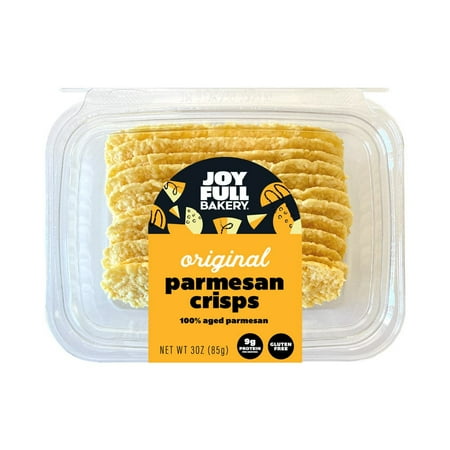
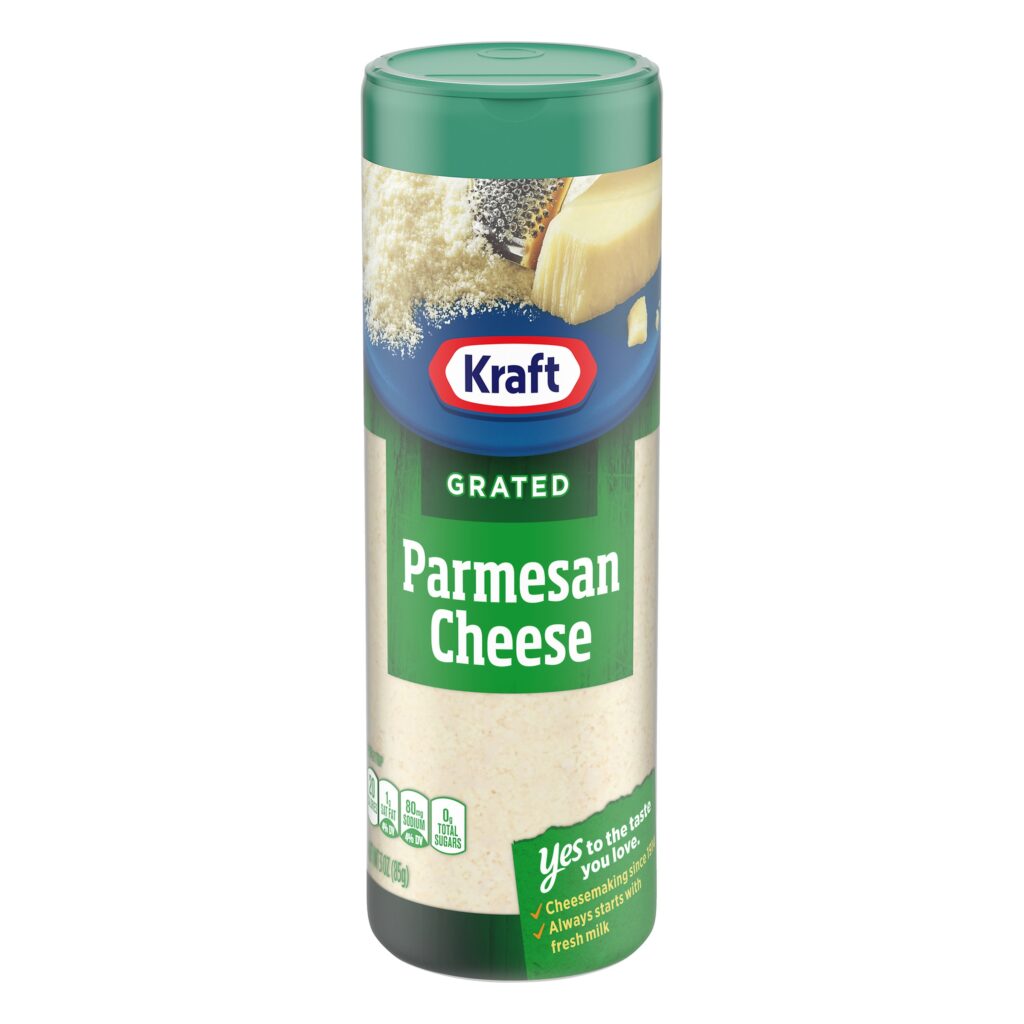


100% PARMESAN CHEESE CRISPS
Analysis updated August 2026 · How Scout scores
At a glance
Summary
This product consists solely of Parmesan cheese, which is a traditional cheese made from part skimmed pasteurized cow's milk, cheese cultures, salt, and rennet. The ingredient list is clean and free from additives, artificial colors, or preservatives, which is favorable. However, due to its processing level, the score is capped, reflecting its classification as a processed food.
Key ingredients 5
RennetGood
Beneficial ingredient — whole-food or functional value in this product class.
Benefits
Essential for the cheese-making process, allowing milk to coagulate and form cheese curds.
Parmesan cheeseNeutral
Parmesan cheese is a traditional dairy product made from cow's milk, cheese cultures, salt, and rennet. It is a processed cheese with a high protein content and a rich flavor profile. The use of pasteurized milk and cheese cultures ensures safety and consistency in production.
Risks
High sodium content in Parmesan cheese may contribute to increased blood pressure if consumed in excess.
Benefits
Parmesan cheese is a good source of protein and calcium, supporting bone health and muscle maintenance.
Part skimmed pasteurized cow's milkNeutral
Part skimmed pasteurized cow's milk is used to reduce fat content while maintaining nutritional value. Pasteurization ensures the milk is free from harmful bacteria, making it safe for consumption. It provides essential nutrients like calcium and vitamin D.
Benefits
Provides essential nutrients such as calcium and vitamin D, which are important for bone health.
Cheese culturesNeutral
Cheese cultures are beneficial bacteria used in the fermentation process of cheese making. They help develop the flavor and texture of the cheese. These cultures are essential for the production of traditional cheeses like Parmesan.
Benefits
Contribute to the development of flavor and texture in cheese, enhancing its culinary appeal.
SaltNeutral
Salt is used in cheese making to enhance flavor and act as a preservative. It is a common ingredient in many processed foods. While necessary for flavor, excessive salt intake can lead to health issues.
Risks
High sodium intake can contribute to hypertension and cardiovascular issues.
Benefits
Enhances flavor and acts as a preservative in cheese, extending its shelf life.
Processing
Processed Foods
Get the full breakdown in the Scout appTake Scout shopping
Scan any product to see lab results, healthy alternatives, and your personalized analysis.
Download on theApp Store GET IT ONGoogle Play