
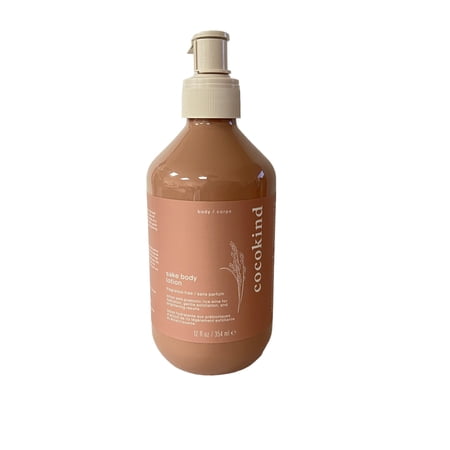


Cocokind Sake Body Lotion - 12 fl oz
Summary
This body lotion contains several beneficial ingredients such as glycerin, coconut oil, sunflower seed oil, shea butter, rice ferment extract, and avocado oil, which are known for their moisturizing and skin-nourishing properties. However, the presence of polyacrylate crosspolymer-6, a synthetic polymer that can contribute to microplastic pollution, slightly detracts from its overall ingredient quality. The product is moderately processed, which also influences its rating.
At a glance
Key ingredients 17
WaterNeutral
Water is a neutral ingredient primarily used as a solvent in cosmetic formulations. It is typically purified to remove impurities and ensure safety. In this product, it serves as a base for other ingredients to dissolve and interact.
See more about Water →GlycerinVery Good
Glycerin is a humectant that attracts moisture to the skin, enhancing hydration. It is often derived from plant oils and is considered safe and effective for skin care. Its ability to maintain skin moisture makes it a valuable ingredient in lotions.
Benefits
Helps to keep the skin hydrated and soft by attracting moisture from the environment.
Coconut OilGood
Coconut oil is a natural emollient that helps to moisturize and soften the skin. It is extracted from the meat of coconuts and is rich in fatty acids. Its antimicrobial properties can also benefit skin health.
Risks
May cause allergic reactions in individuals sensitive to coconut.
Benefits
Provides deep hydration and has antimicrobial properties that can protect the skin.
Cetearyl AlcoholNeutral
Cetearyl alcohol is a fatty alcohol used as an emulsifier and thickener in lotions. It is derived from natural oils and is considered safe for skin use. It helps to stabilize and improve the texture of the product.
Benefits
Improves the texture and stability of the lotion, enhancing user experience.
Sunflower Seed OilGood
Sunflower seed oil is a natural oil rich in vitamin E and fatty acids, beneficial for skin health. It is extracted from sunflower seeds and is known for its moisturizing properties. Its antioxidant content helps protect the skin from environmental damage.
Benefits
Rich in antioxidants and fatty acids that nourish and protect the skin.
Shea ButterVery Good
Shea butter is a natural fat extracted from the nuts of the shea tree, known for its moisturizing and anti-inflammatory properties. It is minimally processed to retain its beneficial compounds. Its rich texture provides deep hydration and skin barrier protection.
Benefits
Deeply moisturizes and soothes the skin, providing anti-inflammatory benefits.
Cetearyl GlucosideNeutral
Cetearyl glucoside is an emulsifier derived from plant-based fatty alcohols and glucose. It helps to blend oil and water components in lotions. Its natural origin and gentle nature make it suitable for sensitive skin.
Benefits
Facilitates the mixing of oil and water, improving product consistency.
Rice Ferment ExtractGood
Rice ferment extract is a byproduct of fermented rice, known for its moisturizing and brightening effects on the skin. It is rich in amino acids and vitamins, enhancing skin texture and tone. Its fermentation process increases the bioavailability of nutrients.
Benefits
Improves skin hydration and brightness, enhancing overall skin appearance.
Avocado OilVery Good
Avocado oil is a nutrient-rich oil extracted from the flesh of avocados, known for its moisturizing and nourishing properties. It contains vitamins A, D, and E, which support skin health. Its high oleic acid content enhances skin barrier function.
Benefits
Nourishes and moisturizes the skin, supporting barrier function and health.
Stearic AcidNeutral
Stearic acid is a fatty acid used as an emulsifier and thickener in cosmetic products. It is derived from natural sources like palm or coconut oil. It helps to stabilize formulations and improve texture.
Benefits
Enhances product stability and texture, improving application experience.
Caprylhydroxamic AcidNeutral
Caprylhydroxamic acid is a preservative used to prevent microbial growth in cosmetic products. It is derived from coconut oil and is considered a safer alternative to traditional preservatives. Its effectiveness at low concentrations makes it suitable for sensitive formulations.
Benefits
Provides effective preservation with minimal irritation potential.
EthylhexylglycerinNeutral
Ethylhexylglycerin is a multifunctional ingredient used as a preservative and skin conditioning agent. It is derived from glycerin and is known for its antimicrobial properties. It enhances the efficacy of other preservatives in the formulation.
Benefits
Enhances preservation and provides skin conditioning benefits.
Glyceryl CaprylateNeutral
Glyceryl caprylate is an emulsifier and skin conditioning agent derived from glycerin and caprylic acid. It helps to stabilize formulations and improve skin feel. Its natural origin and mild nature make it suitable for sensitive skin.
Benefits
Improves product stability and provides skin conditioning benefits.
Polyacrylate Crosspolymer-6Bad
Polyacrylate crosspolymer-6 is a synthetic polymer used as a thickening agent in cosmetics. It is produced through chemical synthesis and can contribute to microplastic pollution. Its use in formulations is primarily for texture enhancement.
Risks
Potential environmental concerns due to microplastic pollution.
Benefits
Provides thickening and texture enhancement in formulations.
Sodium PhytateNeutral
Sodium phytate is a chelating agent derived from rice bran, used to stabilize cosmetic formulations. It binds metal ions, preventing them from destabilizing the product. Its natural origin and effectiveness make it a preferred choice in clean formulations.
Benefits
Stabilizes formulations by binding metal ions, enhancing product longevity.
Sodium Stearoyl GlutamateNeutral
Sodium stearoyl glutamate is an emulsifier derived from plant-based stearic acid and glutamic acid. It helps to blend oil and water components in formulations. Its mild nature and biodegradability make it suitable for eco-friendly products.
Benefits
Facilitates emulsification, improving product consistency and application.
MaltodextrinNeutral
Maltodextrin is a polysaccharide used as a stabilizer and texture enhancer in cosmetics. It is derived from starch through enzymatic processing. Its role in formulations is primarily to improve texture and stability.
Benefits
Enhances texture and stability of cosmetic formulations.
Processing
Processed Foods
Get the full breakdown in the Scout app
Scan any product to see lab results, healthy alternatives, and your personalized analysis.
Download on theApp Store