
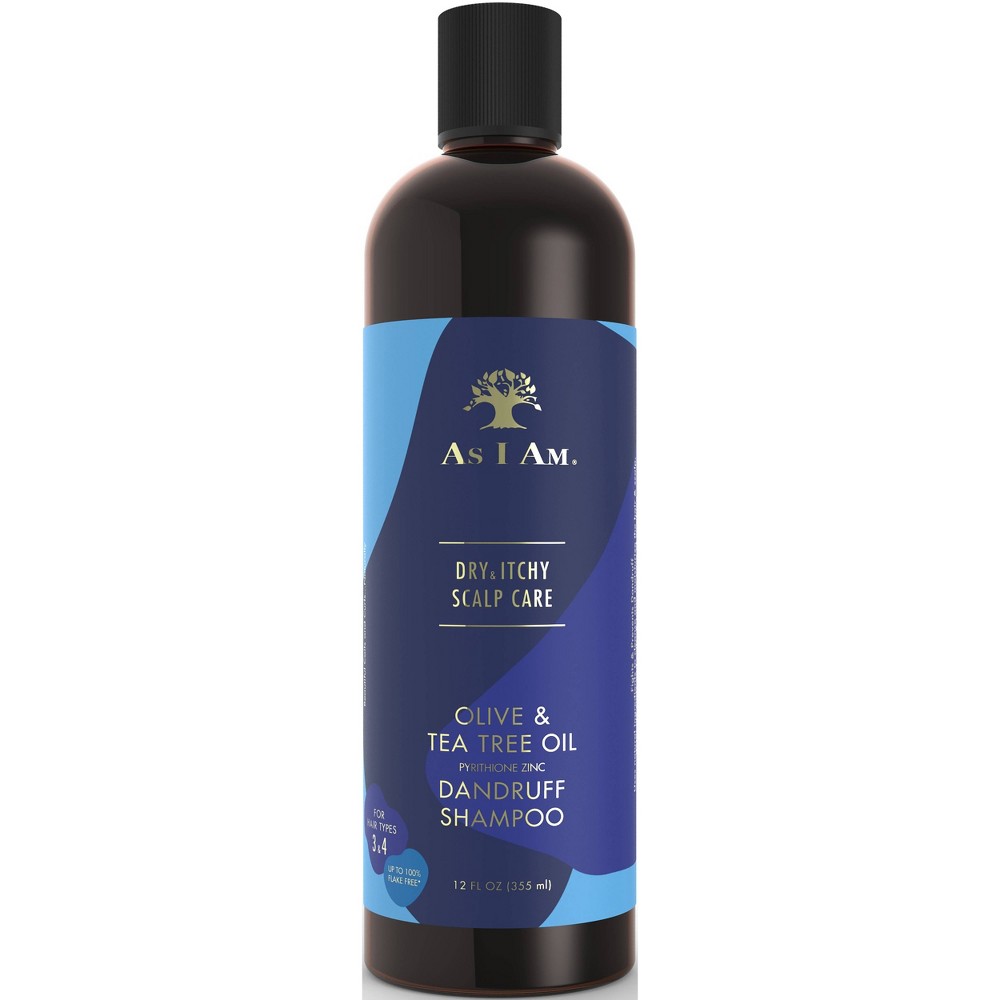
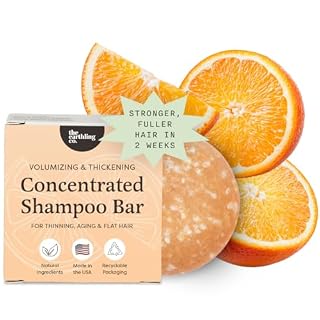
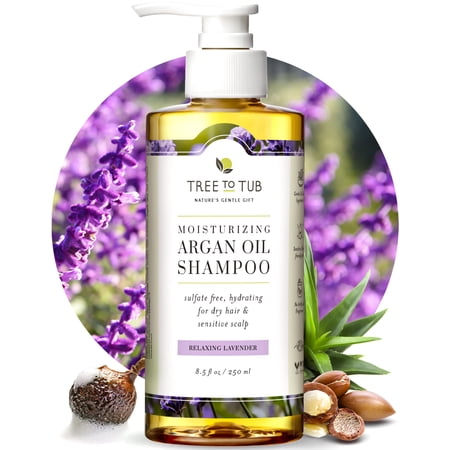

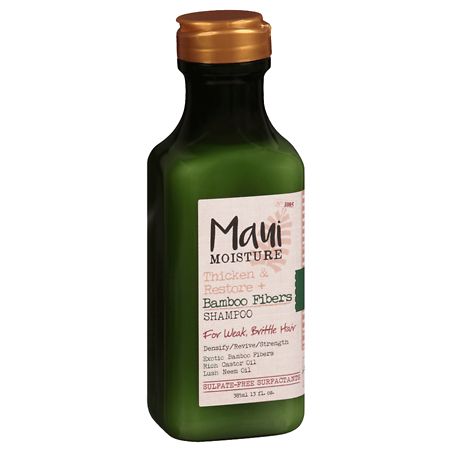
As I Am Dry and Itchy Shampoo - 12 fl oz
Summary
This shampoo contains several beneficial ingredients such as aloe vera juice, tea tree oil, and olive oil, which contribute to scalp health and hair hydration. However, the presence of phenoxyethanol and sodium chloride, which can cause irritation and dryness, slightly detracts from its overall safety profile. The product is processed, which limits its maximum potential score, but it remains a mostly clean option with a focus on gentle surfactants and natural oils.
At a glance
Key ingredients 29
Aqua/Water/EauNeutral
Water is a universal solvent used as a base in many cosmetic products. It helps dissolve other ingredients and provides a medium for them to interact. It is essential for the formulation but does not have direct benefits or risks.
Benefits
Provides a medium for other ingredients to be effective.
Aloe Barbadensis Leaf JuiceGood
Aloe vera juice is known for its soothing and hydrating properties. It helps to moisturize the scalp and reduce irritation. It is beneficial for maintaining scalp health.
Risks
Rare allergic reactions may occur in sensitive individuals.
Benefits
Provides hydration and soothes the scalp.
Disodium Laureth SulfosuccinateNeutral
This is a mild surfactant used to cleanse the hair and scalp. It is less irritating than traditional sulfates like SLS. It effectively removes dirt and oil without excessive drying.
Risks
May cause mild irritation in sensitive individuals.
Benefits
Provides gentle cleansing without stripping natural oils.
Cocamidopropyl BetaineNeutral
Cocamidopropyl betaine is a surfactant and foam booster derived from coconut oil. It helps to cleanse the hair and scalp while providing a rich lather. It is generally considered mild and non-irritating.
Risks
Potential for mild irritation or allergic reactions in some individuals.
Benefits
Enhances foam and provides gentle cleansing.
BetaineGood
Betaine is a humectant that helps to retain moisture in the hair and scalp. It is derived from sugar beet and is known for its conditioning properties. It helps to improve hair texture and manageability.
Risks
Generally considered safe with minimal risk.
Benefits
Improves moisture retention and hair manageability.
Cocamide MIPANeutral
Cocamide MIPA is a surfactant and foam booster derived from coconut oil. It helps to stabilize foam and improve the texture of the shampoo. It is generally considered safe for use in cosmetics.
Risks
Potential for mild irritation in sensitive individuals.
Benefits
Enhances foam stability and texture.
Sodium Cocoyl IsethionateVery Good
Sodium cocoyl isethionate is a gentle surfactant derived from coconut oil. It provides effective cleansing without stripping natural oils from the hair and scalp. It is well-tolerated and suitable for sensitive skin.
Risks
Generally considered safe with minimal risk.
Benefits
Provides gentle cleansing and maintains natural oils.
Cetyl AlcoholGood
Cetyl alcohol is a fatty alcohol used as an emulsifier and thickener. It helps to stabilize formulations and improve texture. It is non-drying and provides a conditioning effect.
Risks
Generally considered safe with minimal risk.
Benefits
Improves texture and provides conditioning.
GlycerinGood
Glycerin is a humectant that attracts moisture to the hair and scalp. It helps to maintain hydration and improve the overall health of the hair. It is widely used for its moisturizing properties.
Risks
Generally considered safe with minimal risk.
Benefits
Enhances moisture retention and hydration.
Sodium IsethionateNeutral
Sodium isethionate is a surfactant that helps to cleanse the hair and scalp. It is often used in combination with other surfactants to enhance cleansing efficacy. It is generally considered mild and non-irritating.
Risks
May cause mild irritation in sensitive individuals.
Benefits
Provides effective cleansing.
Olea Europaea (Olive) Fruit OilVery Good
Olive oil is rich in antioxidants and fatty acids, providing nourishment and moisture to the hair. It helps to improve hair elasticity and shine. It is beneficial for dry and damaged hair.
Risks
Generally considered safe with minimal risk.
Benefits
Nourishes and moisturizes hair.
Melaleuca Alternifolia (Tea Tree) Leaf OilVery Good
Tea tree oil is known for its antimicrobial and anti-inflammatory properties. It helps to soothe the scalp and reduce dandruff. It is beneficial for maintaining a healthy scalp environment.
Risks
May cause irritation or allergic reactions in sensitive individuals.
Benefits
Soothes scalp and reduces dandruff.
Linum Usitatissimum (Linseed) Seed ExtractGood
Linseed extract is rich in omega-3 fatty acids and provides nourishment to the hair. It helps to improve hair strength and elasticity. It is beneficial for maintaining healthy hair.
Risks
Generally considered safe with minimal risk.
Benefits
Nourishes and strengthens hair.
Piroctone OlamineNeutral
Piroctone olamine is an antifungal agent used to treat dandruff and seborrheic dermatitis. It helps to reduce scalp flaking and itching. It is effective in maintaining scalp health.
Risks
May cause mild irritation in sensitive individuals.
Benefits
Reduces dandruff and scalp itching.
Mentha Piperita (Peppermint) OilGood
Peppermint oil provides a cooling sensation and helps to stimulate blood circulation in the scalp. It can improve hair growth and reduce scalp irritation. It is beneficial for maintaining a healthy scalp.
Risks
May cause irritation or allergic reactions in sensitive individuals.
Benefits
Stimulates scalp and improves hair growth.
MentholNeutral
Menthol provides a cooling sensation and helps to soothe the scalp. It is often used to relieve itching and irritation. It is generally considered safe for use in cosmetics.
Risks
May cause irritation in sensitive individuals.
Benefits
Soothes scalp and relieves itching.
Coconut AcidNeutral
Coconut acid is derived from coconut oil and used as a surfactant and emulsifier. It helps to cleanse the hair and stabilize formulations. It is generally considered safe for use in cosmetics.
Risks
Generally considered safe with minimal risk.
Benefits
Cleanses hair and stabilizes formulations.
Ceteareth-60 Myristyl GlycolNeutral
Ceteareth-60 myristyl glycol is an emulsifier used to stabilize formulations. It helps to blend oil and water-based ingredients. It is generally considered safe for use in cosmetics.
Risks
May cause mild irritation in sensitive individuals.
Benefits
Stabilizes formulations and blends ingredients.
Glycol StearateNeutral
Glycol stearate is an emulsifier and opacifying agent used to improve the texture of formulations. It helps to create a creamy consistency and enhance product appearance. It is generally considered safe for use in cosmetics.
Risks
Generally considered safe with minimal risk.
Benefits
Improves texture and appearance of formulations.
Polyquaternium-10Neutral
Polyquaternium-10 is a conditioning agent that helps to improve hair texture and manageability. It provides a protective film on the hair surface. It is generally considered safe for use in cosmetics.
Risks
Generally considered safe with minimal risk.
Benefits
Improves hair texture and manageability.
Tetrasodium EDTANeutral
Tetrasodium EDTA is a chelating agent used to improve the stability of formulations. It helps to bind metal ions and prevent product degradation. It is generally considered safe for use in cosmetics.
Risks
Generally considered safe with minimal risk.
Benefits
Improves stability and prevents degradation.
PhenoxyethanolBad
Phenoxyethanol is a preservative used to prevent microbial growth in cosmetic products. It is effective in extending product shelf life. However, it can cause irritation and allergic reactions in some individuals.
Risks
Potential for irritation and allergic reactions.
Benefits
Prevents microbial growth and extends shelf life.
Caprylyl GlycolNeutral
Caprylyl glycol is a humectant and skin conditioning agent. It helps to retain moisture and improve the texture of formulations. It is generally considered safe for use in cosmetics.
Risks
Generally considered safe with minimal risk.
Benefits
Retains moisture and improves texture.
Citric AcidNeutral
Citric acid is used to adjust the pH of cosmetic formulations. It helps to maintain product stability and enhance the effectiveness of preservatives. It is generally considered safe for use in cosmetics.
Risks
Generally considered safe with minimal risk.
Benefits
Adjusts pH and enhances preservative effectiveness.
Sodium ChlorideBad
Sodium chloride is used as a thickener in cosmetic formulations. It can cause dryness and irritation to the scalp when used in high concentrations. It is generally considered safe in small amounts.
Risks
Can cause dryness and irritation to the scalp.
Benefits
Thickens formulations.
Potassium SorbateNeutral
Potassium sorbate is a preservative used to prevent the growth of mold and yeast in cosmetic products. It is effective in extending product shelf life. It is generally considered safe for use in cosmetics.
Risks
Generally considered safe with minimal risk.
Benefits
Prevents mold and yeast growth.
Sodium BenzoateNeutral
Sodium benzoate is a preservative used to prevent microbial growth in cosmetic products. It is effective in extending product shelf life. It is generally considered safe for use in cosmetics.
Risks
Generally considered safe with minimal risk.
Benefits
Prevents microbial growth and extends shelf life.
LimoneneNeutral
Limonene is a fragrance component derived from citrus oils. It provides a pleasant scent to cosmetic products. It is generally considered safe but can cause allergic reactions in sensitive individuals.
Risks
Potential for allergic reactions in sensitive individuals.
Benefits
Provides a pleasant citrus scent.
LinaloolNeutral
Linalool is a fragrance component found in many essential oils. It provides a floral scent to cosmetic products. It is generally considered safe but can cause allergic reactions in sensitive individuals.
Risks
Potential for allergic reactions in sensitive individuals.
Benefits
Provides a floral scent.
Processing
Processed Foods
Get the full breakdown in the Scout app
Scan any product to see lab results, healthy alternatives, and your personalized analysis.
Download on theApp Store