
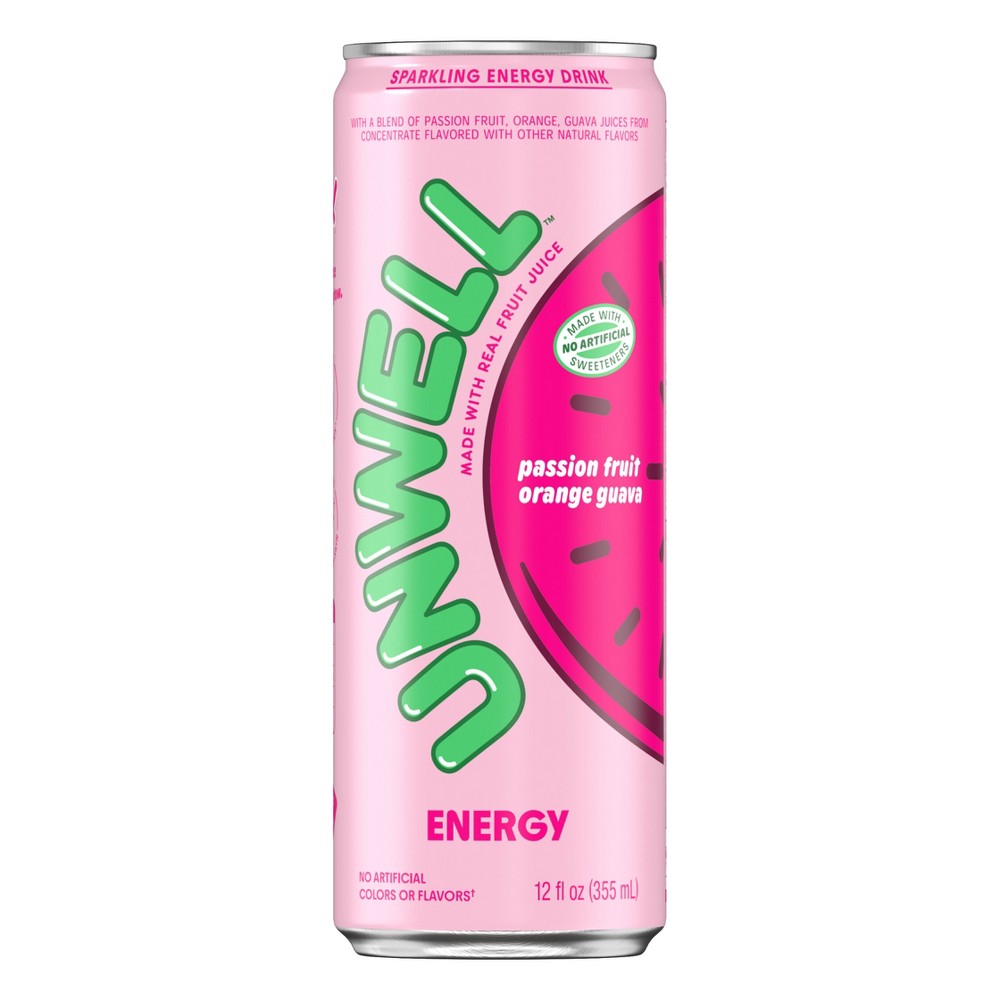

SPARKLING ENERGY MANGO PINEAPPLE GUAVA
Summary
This sparkling energy drink contains natural fruit juice concentrates, which provide some nutritional value and natural sweetness. However, it is a processed product with added acids and taurine, which contribute to its processing level. The absence of artificial sweeteners, dyes, and seed oils is positive, but the processing level and use of juice concentrates rather than fresh juice limit its score.
At a glance
Key ingredients 8
Carbonated WaterNeutral
Carbonated water is simply water infused with carbon dioxide gas under pressure, creating bubbles. It is a common base for many beverages and does not provide any significant nutritional benefits or risks. It is generally considered safe for consumption without any adverse health effects.
See more about Carbonated Water →Pear Juice ConcentrateGood
Pear juice concentrate is derived from pears and provides natural fruit sugars and some vitamins. It is a natural source of sweetness and can contribute to the overall fruit flavor profile of the beverage. The concentrate form means it is more processed than fresh juice, but it retains some nutritional value.
Risks
Excessive consumption of fruit concentrates can contribute to high sugar intake.
Benefits
Provides natural sugars and some vitamins, enhancing the fruit flavor of the beverage.
TaurineNeutral
Taurine is an amino acid commonly found in energy drinks, known for its potential to support neurological development and regulate water and mineral levels in the blood. It is often included in energy drinks for its potential to enhance athletic performance. However, its effects are not universally agreed upon, and it is generally considered safe in moderate amounts.
Benefits
May support neurological development and enhance athletic performance.
L-GlutamineNeutral
L-Glutamine is an amino acid that plays a role in protein synthesis and immune function. It is often used in supplements to support muscle recovery and gut health. While beneficial in specific contexts, its inclusion in beverages is generally neutral as it does not significantly impact the overall nutritional profile.
Benefits
Supports protein synthesis and may aid in muscle recovery and gut health.
Citric AcidNeutral
Citric acid is a natural acid found in citrus fruits, used as a preservative and flavor enhancer in beverages. It provides a tangy taste and helps maintain the stability of the product. While generally safe, excessive consumption can lead to dental erosion.
Risks
Excessive consumption may lead to dental erosion.
Benefits
Acts as a preservative and flavor enhancer, providing a tangy taste.
Ascorbic AcidGood
Ascorbic acid, also known as Vitamin C, is an essential nutrient that supports immune function and acts as an antioxidant. It is often added to beverages to enhance nutritional value and prevent oxidation. Its inclusion is beneficial for its health-promoting properties.
Benefits
Supports immune function and acts as an antioxidant.
Malic AcidNeutral
Malic acid is a naturally occurring acid found in fruits, used to enhance flavor and acidity in beverages. It contributes to the tartness and overall taste profile. While generally safe, it does not provide significant nutritional benefits.
Benefits
Enhances flavor and acidity, contributing to the tartness of the beverage.
Mango Juice ConcentrateGood
Mango juice concentrate is derived from mangoes and provides natural sugars, vitamins, and a rich flavor. It enhances the fruit profile of the beverage and contributes to its nutritional value. The concentrate form retains some nutrients, although it is more processed than fresh juice.
Risks
Excessive consumption of fruit concentrates can contribute to high sugar intake.
Benefits
Provides natural sugars, vitamins, and enhances the fruit flavor of the beverage.
Processing
Processed Foods
Get the full breakdown in the Scout app
Scan any product to see lab results, healthy alternatives, and your personalized analysis.
Download on theApp Store