
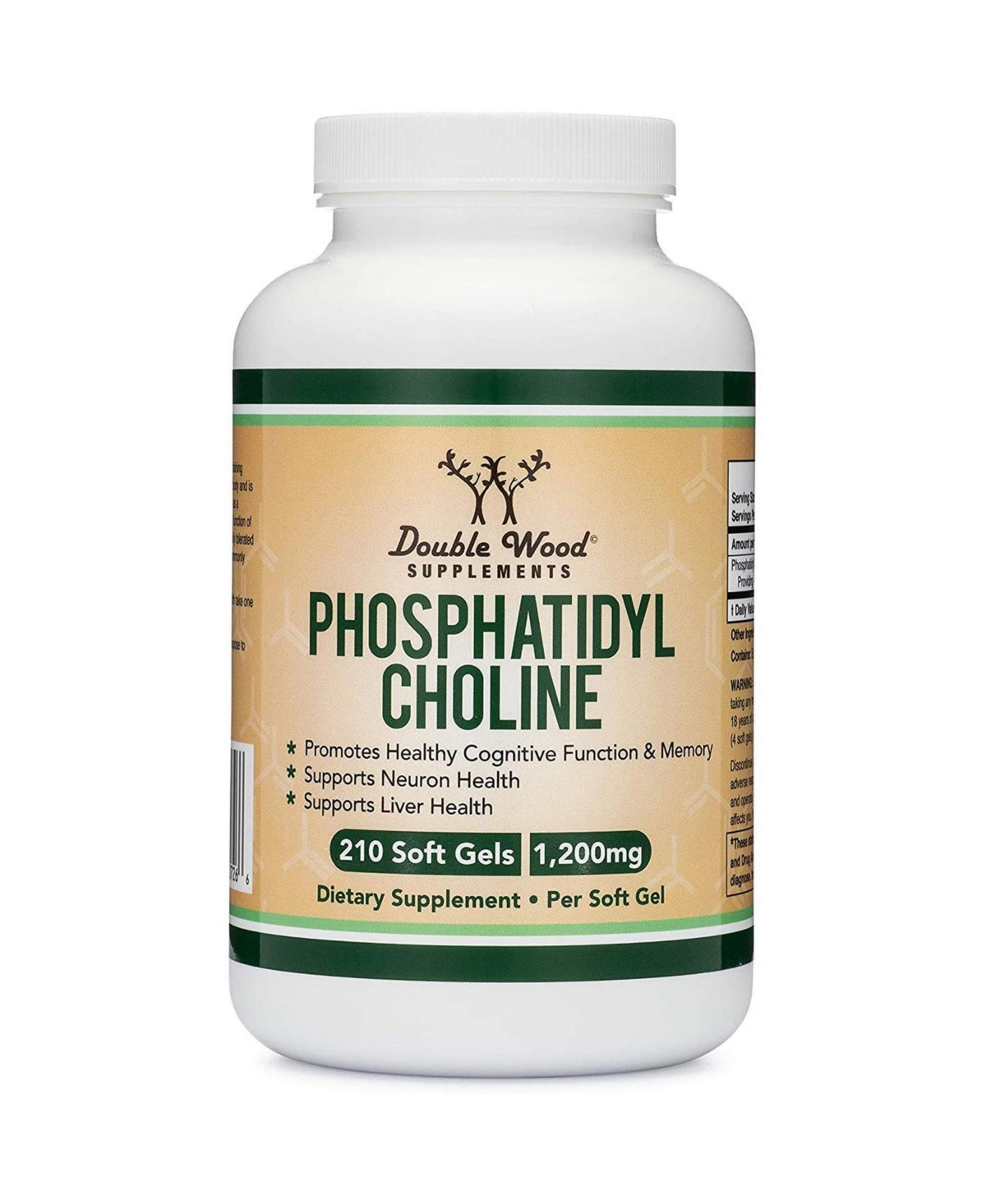

Phosphatidylcholine 1 200mg -210 Softgels- Enhanced Version of Sunflower and Soy Lecithin - Non-GMO Made and Tested in the USA to Support Brain Health by Double Wood Supplements
Analysis updated July 2026 · How Scout scores
At a glance
Summary
This supplement contains phosphatidylcholine, a beneficial ingredient known for supporting brain health and cognitive function. However, the presence of soy, which can be allergenic and potentially genetically modified, raises some concerns. The formulation is relatively simple with minimal additives, but the inclusion of soy slightly impacts the overall ingredient quality.
Key ingredients 5
PhosphatidylcholineGood
Phosphatidylcholine is a phospholipid that plays a crucial role in cell membrane integrity and function. It is often used to support brain health due to its role in neurotransmitter synthesis and cognitive function. This ingredient is derived from lecithin and is considered high-quality for its bioavailability and effectiveness.
Benefits
Supports brain health and cognitive function by contributing to neurotransmitter synthesis.
GelatinNeutral
Gelatin is a protein derived from animal collagen, commonly used as a gelling agent in supplements. It is generally considered neutral as it serves as a carrier without significant health impacts. The quality of gelatin can vary based on the source and processing methods.
Benefits
Provides a structural matrix for the softgel, aiding in the delivery of active ingredients.
GlycerinNeutral
Glycerin is a sugar alcohol used as a humectant and solvent in supplements. It is considered neutral as it does not significantly impact health when used in small amounts. It helps maintain moisture and consistency in softgel formulations.
Benefits
Helps maintain moisture and consistency in the softgel formulation.
Purified WaterNeutral
Purified water is used as a solvent and carrier in supplement formulations. It is neutral as it does not contribute any nutritional value or health risks. Ensures the proper consistency and solubility of the softgel contents.
Benefits
Ensures proper consistency and solubility of the softgel contents.
SoyBad
Soy is often used as a source of lecithin, but it can be problematic due to potential allergenicity and its phytoestrogen content. It is considered 'bad' in this context due to its association with hormonal disruptions and allergenic potential. The processing of soy can also involve genetic modification, which raises additional concerns.
Risks
Potential allergen and may disrupt hormonal balance due to phytoestrogens.
Benefits
Provides lecithin, which can support cell membrane health and cognitive function.
Processing
Processed Foods
Get the full breakdown in the Scout appTake Scout shopping
Scan any product to see lab results, healthy alternatives, and your personalized analysis.
Download on theApp Store GET IT ONGoogle PlayAmazon pricing & content
Amazon price as of . Product prices and availability are accurate as of the date/time indicated and are subject to change. Any price and availability information displayed on Amazon.com at the time of purchase will apply to the purchase of this product.
CERTAIN CONTENT THAT APPEARS ON THIS SITE COMES FROM AMAZON. THIS CONTENT IS PROVIDED “AS IS” AND IS SUBJECT TO CHANGE OR REMOVAL AT ANY TIME.