
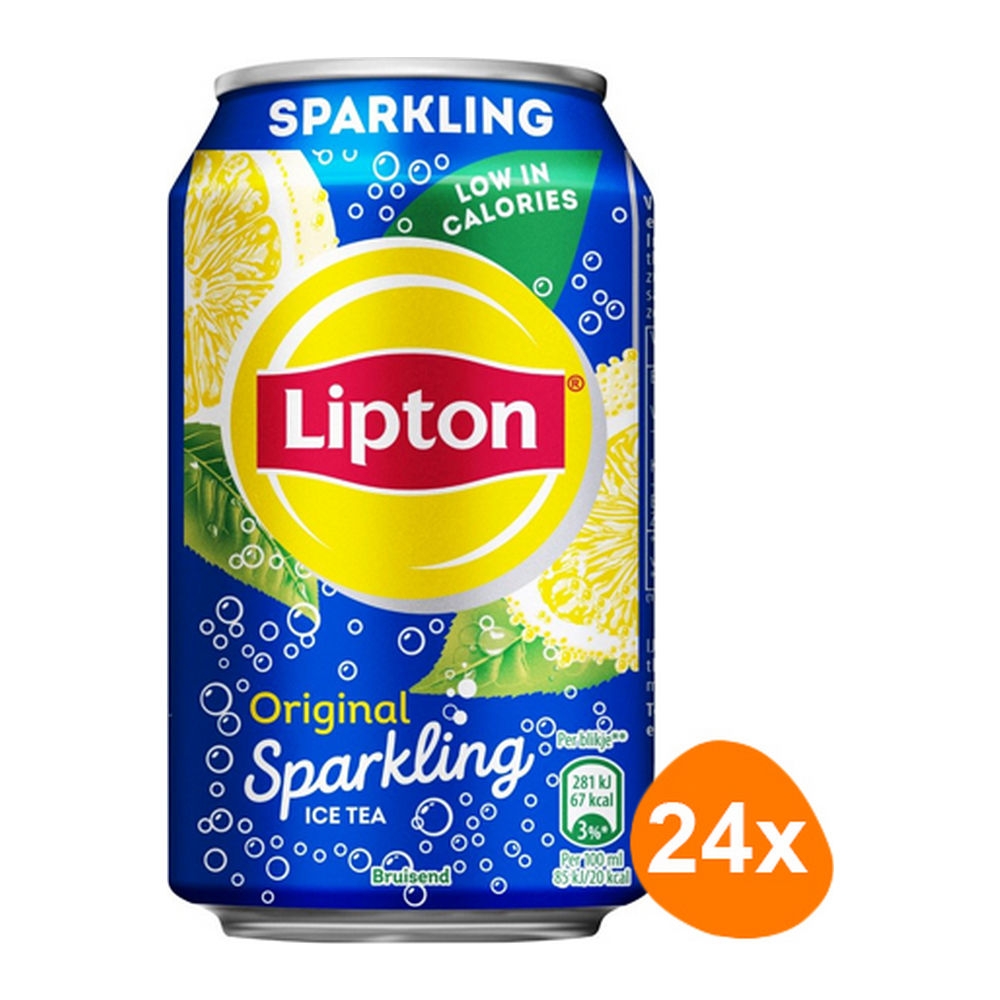


Sparkling Ice tea
Summary
This sparkling iced tea contains added sugars and fructose, which can contribute to excessive calorie intake and potential metabolic issues. The presence of 'aromas' as a vague ingredient raises concerns about transparency and potential additives. Despite these issues, the product includes beneficial ingredients like tea extract and ascorbic acid, which provide antioxidants and support immune health. However, the overall processing level and the presence of multiple additives limit its healthiness.
At a glance
Key ingredients 11
Carbonated WaterNeutral
Carbonated water is simply water that has been infused with carbon dioxide gas under pressure. It is generally considered neutral as it does not provide significant nutritional benefits or risks. It can be a refreshing alternative to still water.
See more about Carbonated Water →SugarBad
Sugar is a simple carbohydrate that provides energy but can contribute to excessive calorie intake. High consumption of added sugars is linked to various health issues, including obesity and metabolic syndrome. In beverages, it is often used to enhance sweetness but can lead to excessive sugar consumption.
Risks
Excessive sugar intake is associated with increased risk of obesity, type 2 diabetes, and dental cavities.
Benefits
Provides a quick source of energy but lacks essential nutrients.
FructoseBad
Fructose is a simple sugar found naturally in fruits but is often added to processed foods and beverages. High intake of fructose, especially from added sources, can lead to insulin resistance and liver fat accumulation. It is metabolized differently than glucose, which can have unique metabolic effects.
Risks
High fructose consumption is linked to increased risk of metabolic disorders and liver disease.
Benefits
Provides sweetness and energy but lacks essential nutrients.
Tea ExtractGood
Tea extract is derived from tea leaves and contains beneficial compounds such as catechins and antioxidants. These compounds can support cardiovascular health and provide anti-inflammatory effects. The Rainforest Alliance certification indicates sustainable sourcing practices.
Benefits
Rich in antioxidants that may support heart health and reduce inflammation.
Citric AcidNeutral
Citric acid is a natural acid found in citrus fruits and is used as a preservative and flavor enhancer. It is generally recognized as safe and is commonly used in food and beverages. It can enhance flavor and preserve freshness without significant health concerns.
Benefits
Enhances flavor and acts as a preservative.
Malic AcidNeutral
Malic acid is a naturally occurring acid found in fruits and is used to enhance flavor and acidity in foods and beverages. It is generally recognized as safe and contributes to the tartness of the product. It is commonly used in food processing without significant health concerns.
Benefits
Enhances flavor and acidity in foods and beverages.
Trisodium CitrateNeutral
Trisodium citrate is a salt of citric acid used as a buffering agent and acidity regulator in foods and beverages. It helps maintain the stability and taste of the product. It is generally recognized as safe and used in small quantities.
Benefits
Helps maintain product stability and taste.
Lemon Juice ConcentrateNeutral
Lemon juice concentrate is derived from lemons and used to add flavor and acidity to foods and beverages. It provides a natural source of vitamin C and enhances the product's taste. However, in concentrated form, it may not provide significant nutritional benefits.
Benefits
Adds natural flavor and a source of vitamin C.
AromasBad
Aromas, often labeled as 'natural flavors,' are used to enhance the taste and smell of food products. The term is vague and can include a wide range of substances, which may not always be disclosed. This lack of transparency can be concerning for consumers seeking to avoid certain additives.
Risks
Potential for undisclosed additives and allergens.
Benefits
Enhances flavor and aroma of the product.
Ascorbic AcidGood
Ascorbic acid, also known as vitamin C, is an essential nutrient and antioxidant. It helps protect cells from damage and supports the immune system. In beverages, it is used to preserve freshness and enhance nutritional value.
Benefits
Essential nutrient that supports immune function and acts as an antioxidant.
Steviol GlycosidesNeutral
Steviol glycosides are natural sweeteners derived from the stevia plant. They provide sweetness without calories and are considered safe for consumption. They are a popular alternative to artificial sweeteners and sugar.
Benefits
Provides sweetness without added calories.
Processing
Ultra-Processed Foods
Get the full breakdown in the Scout app
Scan any product to see lab results, healthy alternatives, and your personalized analysis.
Download on theApp Store