
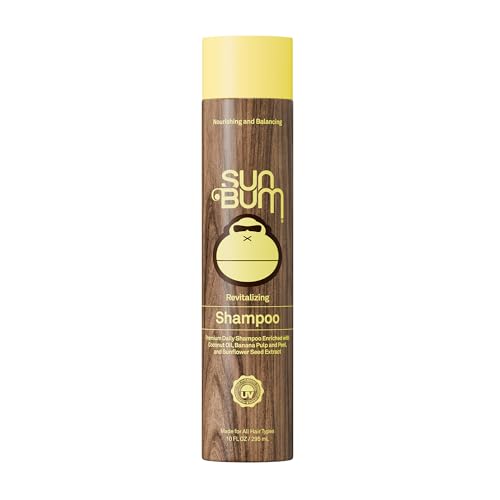

Sun Bum Sun Bum Shampoo 10 oz
Analysis updated May 2026 · How Scout scores
At a glance
Summary
This shampoo contains gentle coconut-derived surfactants and beneficial ingredients like coconut oil and banana extracts, which are good for hair and scalp health. However, it includes synthetic fragrance and sodium chloride as a thickener, which can be drying and are less desirable in hair care products. The processing level is moderate, which affects the overall score, but the presence of natural extracts and the absence of harsh sulfates like SLS are positive aspects.
Key ingredients 10
Sodium Methyl Cocoyl TaurateGood
Sodium Methyl Cocoyl Taurate is a mild surfactant derived from coconut oil. It is known for its gentle cleansing properties, making it suitable for sensitive skin and hair. It helps to create a rich lather without stripping natural oils.
Risks
There are minimal risks associated with this ingredient, though some individuals may experience mild irritation.
Benefits
It provides effective cleansing while maintaining the hair's natural moisture balance.
Sodium Coco-SulfateGood
Sodium Coco-Sulfate is a coconut-derived surfactant that is considered a milder alternative to traditional sulfates. It effectively cleanses the hair and scalp without causing excessive dryness. It is often used in natural and organic formulations.
Risks
In rare cases, it may cause mild irritation for those with very sensitive skin.
Benefits
It offers a good balance of cleansing power and gentleness, making it suitable for frequent use.
Cocos Nucifera (Coconut) OilGood
Coconut oil is a natural emollient known for its moisturizing and conditioning properties. It helps to nourish and strengthen hair, reducing protein loss and improving overall hair health. It is rich in fatty acids that penetrate the hair shaft.
Risks
There are minimal risks, though it may cause buildup if not rinsed thoroughly.
Benefits
It deeply conditions the hair, leaving it soft, shiny, and manageable.
Musa Sapientum (Banana) Flower ExtractGood
Banana flower extract is rich in antioxidants and nutrients that can benefit hair health. It helps to soothe the scalp and improve hair texture. Its natural properties make it a popular ingredient in hair care formulations.
Risks
There are minimal risks, though some individuals may experience mild irritation.
Benefits
It provides nourishment and hydration, promoting healthier hair and scalp.
Helianthus Annuus (Sunflower) Seed OilGood
Sunflower seed oil is a lightweight oil that is rich in vitamins and fatty acids. It helps to moisturize and condition the hair without leaving a greasy residue. It also provides a protective barrier against environmental damage.
Risks
There are minimal risks, though it may cause buildup if used excessively.
Benefits
It enhances hair softness and shine while providing essential nutrients.
Hydrolyzed QuinoaGood
Hydrolyzed quinoa is a protein-rich ingredient that helps to strengthen and protect hair. It forms a protective barrier on the hair shaft, reducing damage and improving elasticity. It is often used in hair care products for its conditioning benefits.
Risks
There are minimal risks, though some individuals may experience mild irritation.
Benefits
It enhances hair strength and resilience, reducing breakage and improving overall hair health.
Sodium ChlorideNeutral
Sodium chloride, or table salt, is often used as a thickening agent in shampoos. While it is generally safe, it can cause dryness and irritation, particularly for those with sensitive scalps. It may also contribute to color fading in treated hair.
Risks
Potential risks include scalp dryness and irritation, especially with frequent use.
Benefits
It helps to thicken the product, improving its texture and application.
PhenoxyethanolBad
Phenoxyethanol is a synthetic preservative used to prevent microbial growth in cosmetic products. It is considered a safer alternative to parabens but can still cause irritation in some individuals. It is generally used in low concentrations to minimize potential adverse effects.
Risks
Potential risks include skin irritation and allergic reactions, particularly in sensitive individuals.
Benefits
It effectively preserves the product, extending its shelf life and preventing contamination.
Propylene GlycolBad
Processed additive flagged under Scout's ingredient doctrine.
Risks
Potential risks include skin irritation and allergic reactions in sensitive individuals.
Benefits
It helps to maintain moisture levels in the hair, preventing dryness and improving manageability.
Fragrance/ParfumVery Bad
Fragrance or parfum is a term used to denote a mixture of various scent chemicals. These can include allergens and irritants, which may cause reactions in sensitive individuals. The exact composition is often undisclosed, making it difficult to assess safety.
Risks
Potential risks include skin irritation, allergic reactions, and respiratory issues.
Benefits
It provides a pleasant scent to the product, enhancing the user experience.
Processing
Processed Foods
Get the full breakdown in the Scout appTake Scout shopping
Scan any product to see lab results, healthy alternatives, and your personalized analysis.
Download on theApp Store GET IT ONGoogle PlayAmazon pricing & content
Amazon price as of . Product prices and availability are accurate as of the date/time indicated and are subject to change. Any price and availability information displayed on Amazon.com at the time of purchase will apply to the purchase of this product.
CERTAIN CONTENT THAT APPEARS ON THIS SITE COMES FROM AMAZON. THIS CONTENT IS PROVIDED “AS IS” AND IS SUBJECT TO CHANGE OR REMOVAL AT ANY TIME.