
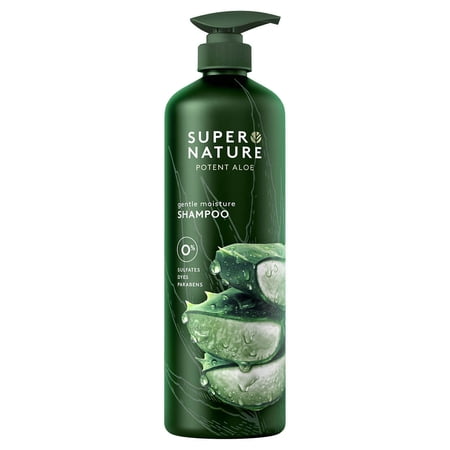
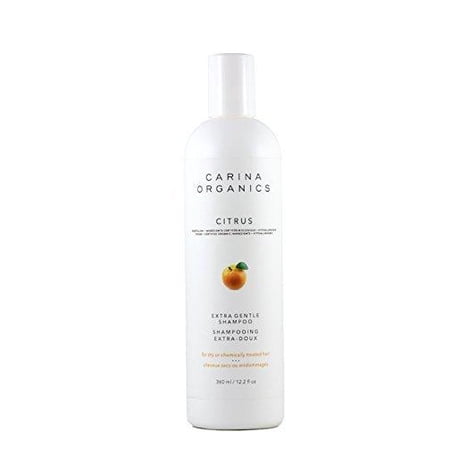
Super Nature Potent Aloe Gentle Moisture Shampoo 30 Fluid Ounce
Analysis updated August 2026 · How Scout scores
At a glance
Summary
This shampoo contains beneficial ingredients like sodium cocoyl isethionate and aloe vera, which are known for their gentle cleansing and moisturizing properties. However, the presence of synthetic fragrance and dimethiconol, a non-water-soluble silicone, raises concerns about potential irritation and buildup on the hair. While it avoids harsher sulfates and parabens, the inclusion of these less desirable ingredients affects its overall rating.
Key ingredients 15
Sodium Cocoyl IsethionateVery Good
Sodium Cocoyl Isethionate is a gentle surfactant derived from coconut oil. It is known for its mildness and ability to cleanse without stripping natural oils. It is highly regarded in formulations for sensitive skin and hair.
Risks
There are minimal risks associated with this ingredient.
Benefits
Provides gentle cleansing and helps maintain hair's natural moisture balance.
Aloe Barbadensis Leaf Juice PowderGood
Aloe Barbadensis Leaf Juice Powder is derived from aloe vera, known for its soothing and moisturizing properties. It is beneficial for maintaining scalp health and hydration. It is a popular ingredient in hair care for its conditioning effects.
Risks
There are minimal risks associated with aloe vera in this context.
Benefits
Helps soothe and moisturize the scalp and hair.
Aloe Barbadensis Leaf JuiceGood
Aloe Barbadensis Leaf Juice is known for its hydrating and soothing properties. It is beneficial for maintaining scalp health and providing moisture to hair. It is a well-regarded ingredient in hair care formulations.
Risks
There are minimal risks associated with aloe vera in this context.
Benefits
Provides hydration and soothing benefits to the scalp and hair.
WaterNeutral
Water is a common solvent used in many personal care products. It acts as a base for the formulation, helping to dissolve other ingredients. It does not have any direct benefits or risks in the context of a shampoo.
Risks
There are no significant risks associated with water in this context.
Benefits
Water helps to evenly distribute the shampoo ingredients when applied to hair.
Lauramidopropyl BetaineNeutral
Lauramidopropyl Betaine is a mild surfactant used to enhance foam and cleansing properties. It is generally considered safe and non-irritating. It does not have significant benefits or risks beyond its function as a surfactant.
Risks
May cause mild irritation in sensitive individuals.
Benefits
Contributes to the mild cleansing action of the shampoo.
Sodium CitrateNeutral
Sodium Citrate is used as a buffering agent to maintain the pH balance of the product. It helps to stabilize the formulation. It does not have direct benefits or risks in the context of a shampoo.
Risks
There are no significant risks associated with sodium citrate in this context.
Benefits
Helps maintain the stability and effectiveness of the shampoo.
Citric AcidNeutral
Citric Acid is used to adjust the pH of the product, ensuring it is suitable for hair and scalp. It is a common ingredient in personal care products. It does not have significant benefits or risks beyond pH adjustment.
Risks
May cause irritation if used in high concentrations.
Benefits
Helps maintain the pH balance of the shampoo.
HistidineNeutral
Histidine is an amino acid that can help protect hair from damage. It is used in hair care products for its potential to strengthen hair. It does not have significant risks or benefits beyond its protective role.
Risks
There are no significant risks associated with histidine in this context.
Benefits
May help protect and strengthen hair.
Sodium SalicylateNeutral
Sodium Salicylate is used as a preservative and anti-inflammatory agent. It is generally considered safe in cosmetic formulations. It does not have significant benefits or risks beyond its preservative role.
Risks
May cause irritation in sensitive individuals.
Benefits
Helps preserve the product and may provide anti-inflammatory benefits.
Polyquaternium-10Neutral
Polyquaternium-10 is a conditioning agent that helps improve hair texture and manageability. It is commonly used in hair care products for its ability to reduce static and frizz. It does not have significant risks or benefits beyond conditioning.
Risks
May cause buildup on hair with prolonged use.
Benefits
Improves hair texture and reduces static.
Tetrasodium EDTANeutral
Tetrasodium EDTA is a chelating agent used to improve the stability and efficacy of the product. It helps bind metal ions that could otherwise destabilize the formulation. It does not have significant risks or benefits beyond its chelating function.
Risks
May cause irritation in sensitive individuals.
Benefits
Enhances product stability and effectiveness.
Sodium Lauroyl SarcosinateBad
Processed additive flagged under Scout's ingredient doctrine.
Risks
May cause mild irritation if used in high concentrations.
Benefits
Enhances the cleansing and conditioning properties of the shampoo.
Sodium BenzoateBad
Synthetic preservative that can form benzene in the presence of vitamin C.
Risks
May cause irritation in sensitive individuals if used in high concentrations.
Benefits
Helps preserve the product and extend its shelf life.
DimethiconolBad
Dimethiconol is a silicone used to provide smoothness and shine to hair. It can lead to buildup over time, requiring clarifying shampoos for removal. It is not water-soluble, which can be a concern for some users.
Risks
Can cause buildup on hair, leading to dullness and brittleness.
Benefits
Provides smoothness and shine to hair.
FragranceVery Bad
Fragrance is often a mixture of various chemicals used to impart scent. It can cause allergic reactions or irritation in sensitive individuals. The exact composition is usually undisclosed, leading to potential concerns.
Risks
Potential allergen and irritant, especially for sensitive skin.
Benefits
Provides a pleasant scent to the product.
Get the full breakdown in the Scout appTake Scout shopping
Scan any product to see lab results, healthy alternatives, and your personalized analysis.
Download on theApp Store GET IT ONGoogle Play