

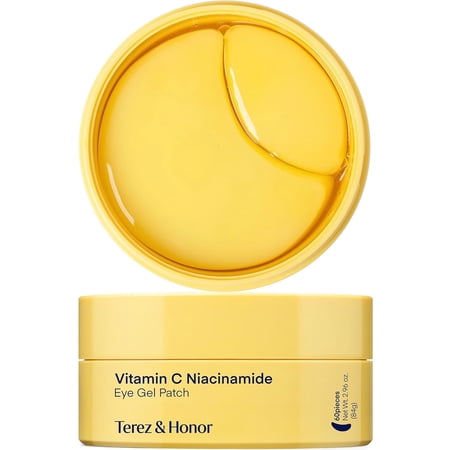
Round Lab 1025 Dokdo Water Gel Mask Sheet: Hyaluronic Acid, Hydrating, Normal & Dry Skin, Travel Size
At a glance
Summary
This product features a high concentration of beneficial ingredients such as various forms of hyaluronic acid, which are known for their excellent hydrating properties. The ingredient list is free from harsh chemicals, synthetic fragrances, and known irritants, making it a safe choice for skin hydration. The presence of natural moisturizing agents like glycerin and sea water further enhances its skin-friendly profile, contributing to its high rating.
Key ingredients 35
Hydroxypropyltrimonium HyaluronateVery Good
This is a modified form of hyaluronic acid that enhances skin hydration. It is known for its ability to retain moisture and improve skin texture.
Risks
There are no significant risks associated with this ingredient.
Benefits
It provides long-lasting hydration and improves skin elasticity.
Sodium Acetylated HyaluronateVery Good
Sodium Acetylated Hyaluronate is a derivative of hyaluronic acid that offers enhanced moisture retention. It is effective in improving skin hydration.
Risks
There are no significant risks associated with this ingredient.
Benefits
It provides superior hydration and helps maintain skin suppleness.
Hydrolyzed Hyaluronic AcidVery Good
Hydrolyzed Hyaluronic Acid is a smaller molecule form of hyaluronic acid that penetrates the skin more easily. It is highly effective in hydrating and plumping the skin.
Risks
There are no significant risks associated with this ingredient.
Benefits
It deeply hydrates the skin and reduces the appearance of fine lines.
Sodium Hyaluronate CrosspolymerVery Good
This is a cross-linked form of hyaluronic acid that provides sustained hydration. It forms a protective film on the skin, enhancing moisture retention.
Risks
There are no significant risks associated with this ingredient.
Benefits
It offers long-lasting hydration and helps protect the skin barrier.
Hydrolyzed Sodium HyaluronateVery Good
Hydrolyzed Sodium Hyaluronate is a low molecular weight form of hyaluronic acid that penetrates deeply into the skin. It is effective in providing hydration and improving skin texture.
Risks
There are no significant risks associated with this ingredient.
Benefits
It enhances skin hydration and helps reduce the appearance of wrinkles.
Potassium HyaluronateVery Good
Potassium Hyaluronate is a salt form of hyaluronic acid that provides excellent moisture retention. It is beneficial for maintaining skin hydration.
Risks
There are no significant risks associated with this ingredient.
Benefits
It helps keep the skin hydrated and improves its overall appearance.
PanthenolVery Good
Panthenol, also known as provitamin B5, is a powerful moisturizer and skin conditioner. It helps improve skin hydration and elasticity.
Risks
There are no significant risks associated with panthenol.
Benefits
It enhances skin hydration and promotes healing and repair.
GlycerinGood
Glycerin is a humectant that attracts moisture to the skin, helping to keep it hydrated. It is widely used in skincare for its moisturizing properties.
Risks
There are minimal risks associated with glycerin, though it can be sticky in high concentrations.
Benefits
Glycerin helps maintain skin hydration and improves skin barrier function.
Sea WaterGood
Sea Water is rich in minerals that can benefit the skin. It is often used for its soothing and hydrating properties.
Risks
There are minimal risks, though it may cause irritation if contaminated.
Benefits
It provides essential minerals and helps soothe and hydrate the skin.
Hyaluronic AcidGood
Hyaluronic Acid is a powerful humectant that attracts and retains moisture in the skin. It is widely recognized for its hydrating and anti-aging benefits.
Risks
There are no significant risks associated with this ingredient.
Benefits
It provides intense hydration and helps improve skin texture and elasticity.
Sodium HyaluronateGood
Sodium Hyaluronate is the sodium salt of hyaluronic acid, known for its ability to penetrate the skin and provide deep hydration. It is a key ingredient in anti-aging skincare.
Risks
There are no significant risks associated with this ingredient.
Benefits
It provides intense hydration and helps improve skin elasticity and firmness.
AllantoinGood
Allantoin is known for its soothing and skin conditioning properties. It helps to calm irritated skin and promote healing.
Risks
There are minimal risks associated with allantoin, though it is generally well-tolerated.
Benefits
It soothes and protects the skin, promoting a healthy skin barrier.
BetaineGood
Betaine is a natural osmolyte that helps maintain skin hydration. It is used for its moisturizing and soothing properties.
Risks
There are minimal risks associated with betaine, though it is generally well-tolerated.
Benefits
It helps maintain skin moisture and soothes irritation.
Dipotassium GlycyrrhizateGood
Dipotassium Glycyrrhizate is derived from licorice root and is known for its anti-inflammatory and soothing properties. It helps reduce redness and irritation.
Risks
There are minimal risks associated with this ingredient.
Benefits
It soothes the skin and helps reduce inflammation and redness.
WaterNeutral
Water is a common solvent used in cosmetic formulations. It helps dissolve other ingredients and provides a base for the product. It is generally considered safe and non-irritating.
Risks
There are no significant risks associated with water in cosmetics.
Benefits
Water hydrates the skin and helps in the application of the product.
Dipropylene GlycolNeutral
Dipropylene Glycol is used as a solvent and skin conditioning agent. It helps improve the texture and spreadability of the product.
Risks
It can cause mild irritation in sensitive individuals.
Benefits
It enhances the absorption of other ingredients and provides a smooth application.
Butylene GlycolNeutral
Standard formulation ingredient — neither beneficial nor harmful at typical use.
Risks
It may cause irritation in very sensitive skin types.
Benefits
It enhances skin hydration and improves the product's spreadability.
1, 2-HexanediolNeutral
1, 2-Hexanediol is used as a preservative and humectant in cosmetics. It helps maintain product stability and moisture.
Risks
It can cause mild irritation in some individuals.
Benefits
It helps preserve the product and provides moisturizing benefits.
ProteaseNeutral
Protease is an enzyme that helps break down proteins. In skincare, it is used for its exfoliating properties.
Risks
It may cause irritation if used in high concentrations.
Benefits
It helps exfoliate the skin, promoting a smoother texture.
LeucineNeutral
Leucine is an amino acid that can help support skin health. It is used in formulations for its conditioning properties.
Risks
There are no significant risks associated with leucine in cosmetics.
Benefits
It helps maintain skin health and supports the skin's natural repair processes.
LysineNeutral
Lysine is an essential amino acid that plays a role in collagen production. It is used in skincare for its conditioning benefits.
Risks
There are no significant risks associated with lysine in cosmetics.
Benefits
It supports collagen synthesis and helps maintain skin elasticity.
PhenylalanineNeutral
Phenylalanine is an amino acid that can be used in skincare for its conditioning properties. It is generally considered safe.
Risks
There are no significant risks associated with phenylalanine in cosmetics.
Benefits
It helps condition the skin and supports its natural functions.
TryptophanNeutral
Tryptophan is an amino acid that can be used in skincare for its conditioning properties. It is generally considered safe.
Risks
There are no significant risks associated with tryptophan in cosmetics.
Benefits
It helps condition the skin and supports its natural functions.
ValineNeutral
Valine is an amino acid that can be used in skincare for its conditioning properties. It is generally considered safe.
Risks
There are no significant risks associated with valine in cosmetics.
Benefits
It helps condition the skin and supports its natural functions.
ThreonineNeutral
Threonine is an amino acid that can be used in skincare for its conditioning properties. It is generally considered safe.
Risks
There are no significant risks associated with threonine in cosmetics.
Benefits
It helps condition the skin and supports its natural functions.
IsoleucineNeutral
Isoleucine is an amino acid that can be used in skincare for its conditioning properties. It is generally considered safe.
Risks
There are no significant risks associated with isoleucine in cosmetics.
Benefits
It helps condition the skin and supports its natural functions.
MethionineNeutral
Methionine is an amino acid that can be used in skincare for its conditioning properties. It is generally considered safe.
Risks
There are no significant risks associated with methionine in cosmetics.
Benefits
It helps condition the skin and supports its natural functions.
XylitylglucosideNeutral
Xylitylglucoside is a sugar-derived ingredient used for its moisturizing properties. It helps improve skin hydration.
Risks
There are no significant risks associated with xylitylglucoside.
Benefits
It enhances skin moisture and supports a healthy skin barrier.
AnhydroxylitolNeutral
Anhydroxylitol is a sugar-derived ingredient used for its moisturizing properties. It helps improve skin hydration.
Risks
There are no significant risks associated with anhydroxylitol.
Benefits
It enhances skin moisture and supports a healthy skin barrier.
XylitolNeutral
Xylitol is a sugar alcohol used for its moisturizing properties. It helps improve skin hydration.
Risks
There are no significant risks associated with xylitol in cosmetics.
Benefits
It enhances skin moisture and supports a healthy skin barrier.
EthylhexylglycerinNeutral
Ethylhexylglycerin is used as a preservative and skin conditioning agent. It helps improve the product's shelf life and skin feel.
Risks
It may cause mild irritation in sensitive individuals.
Benefits
It enhances the product's preservation and provides a smooth application.
Sodium PhytateNeutral
Sodium Phytate is used as a chelating agent in cosmetics. It helps stabilize the product by binding metal ions.
Risks
There are no significant risks associated with sodium phytate.
Benefits
It helps maintain product stability and enhances the effectiveness of preservatives.
CarbomerNeutral
Carbomer is a thickening agent used to create gel-like textures in cosmetics. It helps improve the product's consistency.
Risks
There are no significant risks associated with carbomer.
Benefits
It provides a smooth texture and enhances the product's application.
ArginineNeutral
Arginine is an amino acid used for its conditioning properties in skincare. It helps improve skin hydration and elasticity.
Risks
There are no significant risks associated with arginine in cosmetics.
Benefits
It helps maintain skin hydration and supports collagen production.
GlucoseBad
Processed additive flagged under Scout's ingredient doctrine.
Risks
There are no significant risks associated with glucose in cosmetics.
Benefits
It helps maintain skin hydration and improves texture.
Processing
Processed Foods
Get the full breakdown in the Scout appTake Scout shopping
Scan any product to see lab results, healthy alternatives, and your personalized analysis.
Download on theApp Store GET IT ONGoogle Play