


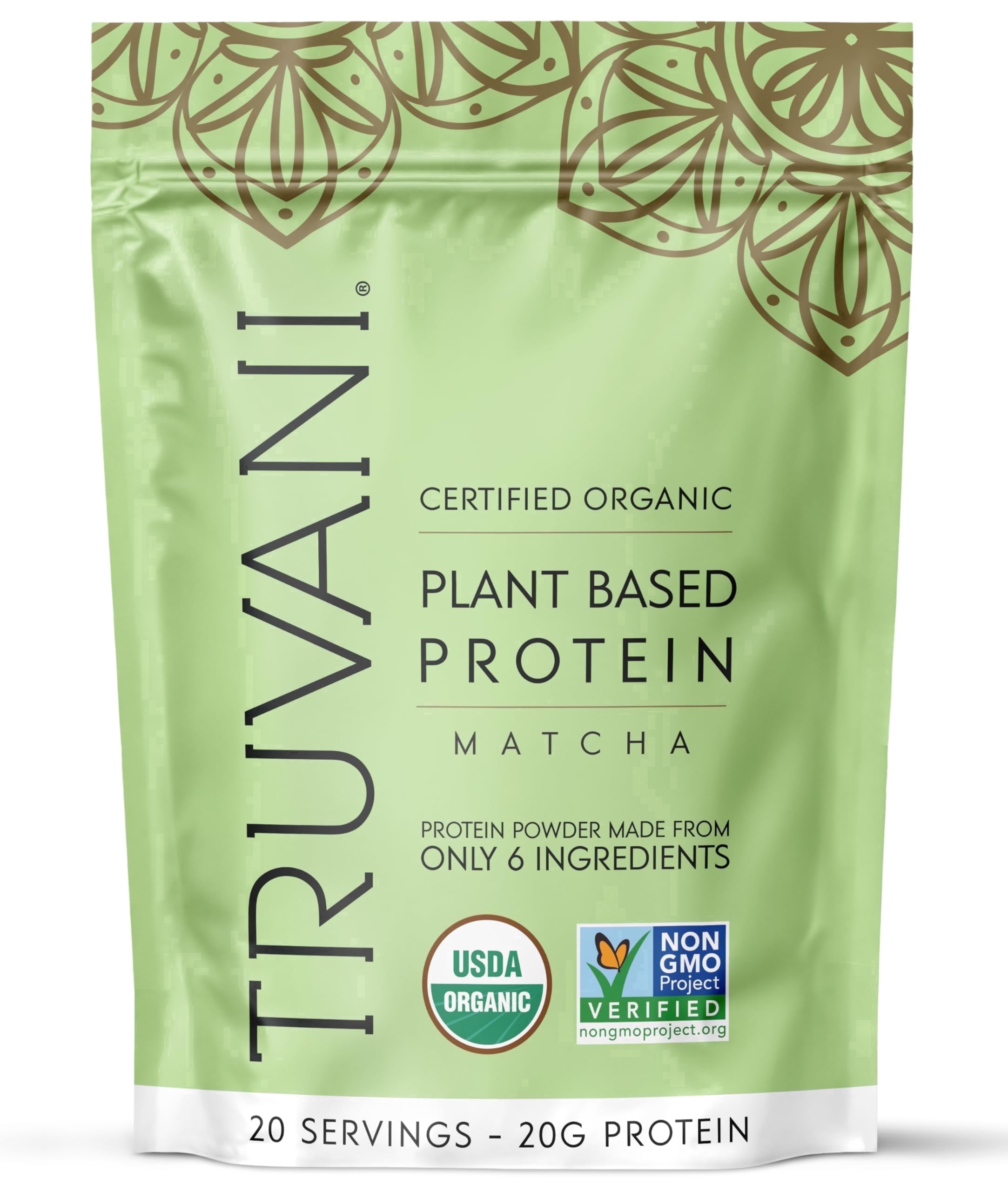
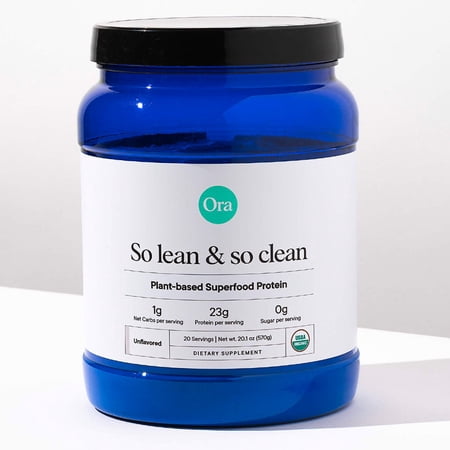
At a glance
Summary
This plant protein blend includes beneficial ingredients like pea protein and rice protein powder, which are known for their digestibility and muscle-building properties. However, the presence of isolated soy protein, which is heavily processed and may affect hormone balance, slightly detracts from the overall quality. The product avoids artificial additives and excessive fillers, maintaining a relatively clean formulation with a moderate level of processing.
Key ingredients 9
Rice Protein PowderGood
Rice protein powder is a plant-based protein that is hypoallergenic and easily digestible. It is often combined with other proteins to enhance its amino acid profile, particularly lysine. The processing is relatively simple, preserving its nutritional integrity.
Benefits
Offers a hypoallergenic protein source that is easy to digest and complements other plant proteins.
Cocoa PowderGood
Beneficial ingredient — whole-food or functional value in this product class.
Benefits
Rich in antioxidants, supporting cardiovascular health and providing a natural flavor.
InulinGood
Beneficial ingredient — whole-food or functional value in this product class.
Risks
Excessive consumption may cause digestive discomfort in some individuals.
Benefits
Supports gut health by promoting the growth of beneficial bacteria.
L-LeucineGood
L-Leucine is an essential amino acid critical for muscle protein synthesis and recovery. It is often added to protein supplements to enhance their muscle-building potential. The ingredient is typically pure and unadulterated, ensuring its efficacy.
Benefits
Enhances muscle protein synthesis, supporting muscle growth and recovery.
L-IsoleucineGood
L-Isoleucine is an essential amino acid that plays a role in energy production and muscle metabolism. It is commonly included in protein supplements to support athletic performance. The ingredient is usually pure and effective in its intended role.
Benefits
Supports energy production and muscle metabolism, enhancing athletic performance.
Pea ProteinNeutral
Standard formulation ingredient — neither beneficial nor harmful at typical use.
Benefits
Rich in essential amino acids and easily digestible, supporting muscle growth and repair.
Sunflower PowderNeutral
Sunflower powder is derived from sunflower seeds and is generally considered a neutral ingredient. It provides some protein and healthy fats but is not a significant source of essential nutrients. The processing method is typically simple, retaining most of the seed's natural properties.
Benefits
Provides some protein and healthy fats, contributing to overall nutritional balance.
Pumpkin PowderNeutral
Pumpkin powder is made from dried and ground pumpkin, providing fiber and some micronutrients. It is minimally processed, retaining much of the pumpkin's natural nutritional content. However, it is not a significant source of protein or essential nutrients in this form.
Benefits
Contributes fiber and micronutrients, supporting digestive health.
Isolated Soy ProteinBad
Isolated soy protein is considered a lower-quality protein due to its less complete amino acid profile compared to animal-based proteins. It is often heavily processed, which can reduce its nutritional value. Additionally, concerns about phytoestrogens in soy may affect hormone balance in some individuals.
Risks
Potential hormonal effects due to phytoestrogens and possible allergenic reactions.
Benefits
Provides a plant-based protein source that is suitable for vegetarians and vegans.
Processing
Processed Foods
Get the full breakdown in the Scout appTake Scout shopping
Scan any product to see lab results, healthy alternatives, and your personalized analysis.
Download on theApp Store GET IT ONGoogle Play