

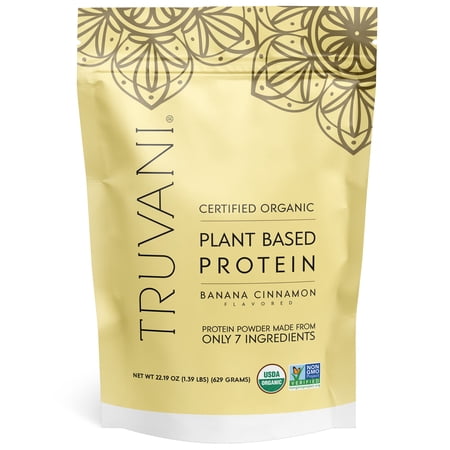


At a glance
Summary
This vegan protein powder contains a high protein content, which is beneficial for muscle building and recovery. However, it includes sucralose, an artificial sweetener that may impact gut health and glucose levels, and natural flavors, which lack transparency. The presence of these additives, along with its ultra-processed nature, affects its overall health rating.
Key ingredients 9
Cocoa PowderGood
Beneficial ingredient — whole-food or functional value in this product class.
Risks
Excessive consumption may lead to caffeine-related side effects.
Benefits
Contains antioxidants that may provide health benefits.
Sea SaltGood
Beneficial ingredient — whole-food or functional value in this product class.
Risks
Excessive sodium intake can lead to hypertension and cardiovascular issues.
Benefits
Provides trace minerals and enhances flavor.
Pea Protein ConcentrateNeutral
Pea protein concentrate is a plant-based protein source with a decent amino acid profile. It is less complete compared to animal-based proteins but is a good option for vegans. It is generally well-tolerated and hypoallergenic.
Benefits
Provides a plant-based protein source that is suitable for vegans and vegetarians.
Rice Protein ConcentrateNeutral
Rice protein concentrate is a plant-based protein with a good amino acid profile. It is hypoallergenic and suitable for those with dietary restrictions. However, it is less complete than animal-based proteins.
Benefits
Provides a hypoallergenic protein source suitable for vegans.
Sunflower Protein ConcentrateNeutral
Sunflower protein concentrate is a plant-based protein source. It is less common but provides a unique amino acid profile. It is free from common allergens like soy and dairy.
Benefits
Offers a plant-based protein alternative that is free from common allergens.
Steviol GlycosidesNeutral
Steviol glycosides are natural sweeteners derived from the stevia plant. They provide sweetness without calories and are considered safe for consumption. They are a popular alternative to sugar.
Benefits
Offers a calorie-free sweetening option.
Silicon DioxideNeutral
Silicon dioxide is used as an anti-caking agent to prevent clumping. It is generally recognized as safe and is commonly used in food products. It does not contribute to the nutritional value of the product.
Benefits
Helps maintain product texture and consistency.
Natural FlavorBad
Natural flavors are often used to enhance taste but lack transparency in their composition. They can contain a variety of substances that are not disclosed. This lack of transparency can be concerning for consumers seeking clean labels.
Risks
Potential for undisclosed additives or allergens.
SucraloseBad
Sucralose is an artificial sweetener used to provide sweetness without calories. It is highly processed and may affect gut health. Some studies suggest it may alter glucose and insulin levels.
Risks
Potential impact on gut microbiota and glucose metabolism.
Benefits
Provides sweetness without adding calories.
Processing
Ultra-Processed Foods
Get the full breakdown in the Scout appTake Scout shopping
Scan any product to see lab results, healthy alternatives, and your personalized analysis.
Download on theApp Store GET IT ONGoogle Play