
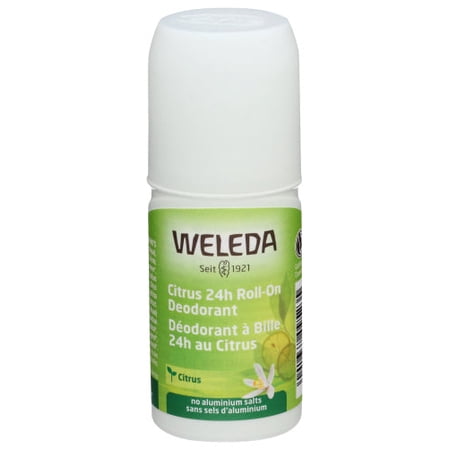
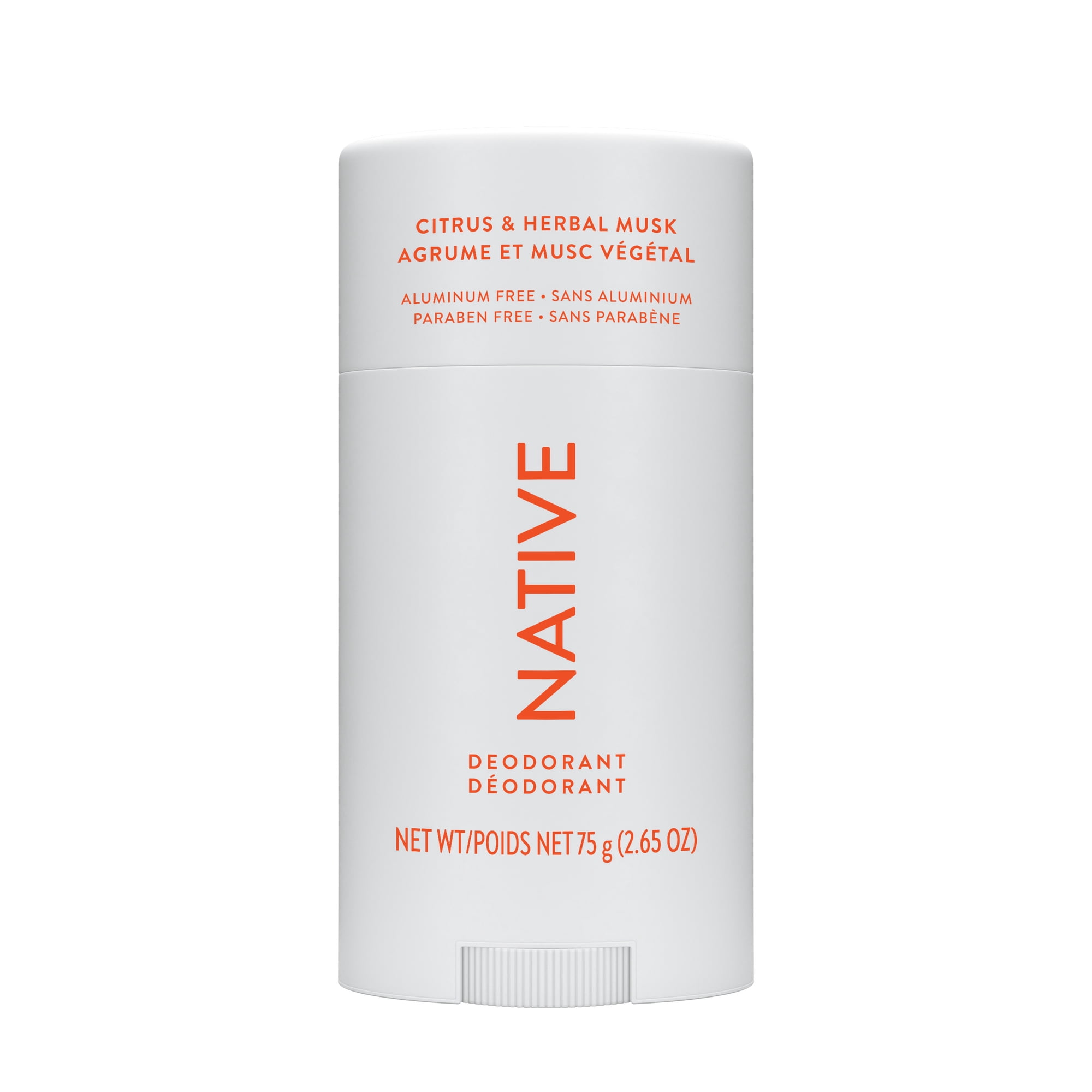
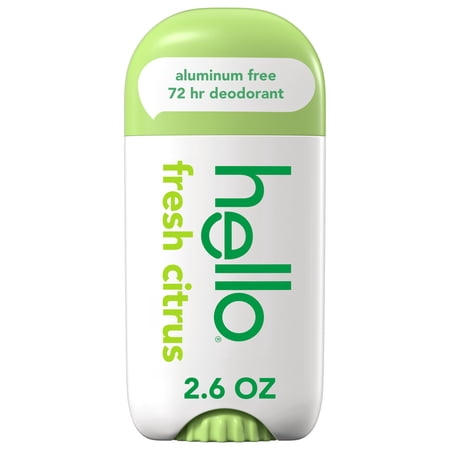
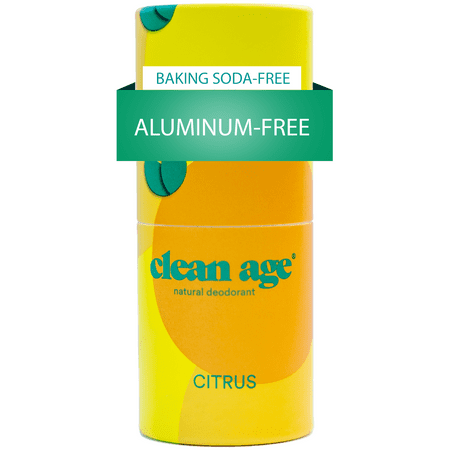

Weleda - Deodorant Roll On Citrus - 1 Each - 1.7 Fz
Summary
This deodorant is free from aluminum and synthetic chemicals, which are common concerns in this category. It utilizes natural ingredients like citrus essential oils for fragrance, which are generally considered safer alternatives to synthetic fragrances. However, as a processed product, it may contain some minor synthetic components that slightly impact its overall rating.
At a glance
Key ingredients 12
Water (Aqua)
Water is a universal solvent used to dissolve other ingredients. It helps in the even distribution of the product on the skin. It is generally considered safe and non-irritating.
Risks
There are no significant risks associated with water in cosmetic formulations.
Benefits
Water hydrates the skin and helps in the application of the product.
Alcohol
Alcohol is used as a solvent and preservative in cosmetic products. It helps in the quick drying of the product on the skin. However, it can be drying and irritating to sensitive skin.
Risks
Alcohol can cause dryness and irritation, especially in sensitive skin types.
Benefits
It acts as an antimicrobial agent and helps in the quick evaporation of the product.
Triethyl Citrate
Triethyl Citrate is used as a deodorizing agent. It works by inhibiting the enzymatic breakdown of sweat, thus reducing odor. It is generally considered safe for use in cosmetics.
Risks
There are minimal risks associated with Triethyl Citrate, though it may cause irritation in very sensitive individuals.
Benefits
It effectively reduces body odor without blocking sweat glands.
Glycerin
Glycerin is a humectant that attracts moisture to the skin. It helps in keeping the skin hydrated and smooth. It is widely used in cosmetics for its moisturizing properties.
Risks
Glycerin is generally safe, but in rare cases, it may cause irritation if used in high concentrations.
Benefits
It helps maintain skin hydration and improves skin barrier function.
Limonene
Limonene is a naturally occurring compound found in citrus oils. It is used for its fragrance and potential antimicrobial properties. However, it can be a skin sensitizer in some individuals.
Risks
Limonene can cause skin irritation or allergic reactions in sensitive individuals.
Benefits
It provides a pleasant citrus scent and may have antimicrobial effects.
Sodium Caproyl/Lauroyl Lactylate
This ingredient is used as an emulsifier and mild surfactant. It helps in mixing oil and water components in the formulation. It is considered safe and non-irritating.
Risks
There are minimal risks associated with this ingredient, though it may cause irritation in very sensitive skin.
Benefits
It helps in stabilizing the formulation and enhances the penetration of active ingredients.
Citrus Limon (Lemon) Peel Oil
Lemon peel oil is used for its fragrance and potential antimicrobial properties. It provides a fresh scent and may help in reducing bacteria on the skin. However, it can be photosensitizing.
Risks
Lemon peel oil can increase skin sensitivity to sunlight, leading to potential sunburn or irritation.
Benefits
It offers a natural citrus scent and may have antibacterial properties.
Fragrance (Parfum)
Fragrance is added to products to provide a pleasant scent. However, it is often a mixture of various chemicals, some of which can be allergens or irritants.
Risks
Fragrance can cause allergic reactions or skin irritation, especially in sensitive individuals.
Benefits
It enhances the sensory experience of the product.
Linalool
Linalool is a naturally occurring terpene alcohol found in many flowers and spice plants. It is used for its pleasant floral scent. However, it can be an allergen for some people.
Risks
Linalool can cause allergic reactions or skin irritation in sensitive individuals.
Benefits
It provides a pleasant floral fragrance to the product.
Geraniol
Geraniol is a naturally occurring compound used for its rose-like scent. It is found in essential oils such as rose and citronella. It can be an allergen for some individuals.
Risks
Geraniol can cause skin irritation or allergic reactions in sensitive individuals.
Benefits
It adds a floral fragrance to the product and may have antimicrobial properties.
Citral
Citral is a naturally occurring compound with a strong lemon scent. It is used for its fragrance and potential antimicrobial properties. However, it can be a skin sensitizer.
Risks
Citral can cause skin irritation or allergic reactions in sensitive individuals.
Benefits
It provides a strong lemon scent and may have antibacterial effects.
Farnesol
Farnesol is used for its fragrance and potential antimicrobial properties. It is found in essential oils such as rose and citronella. It can be an allergen for some people.
Risks
Farnesol can cause skin irritation or allergic reactions in sensitive individuals.
Benefits
It offers a floral fragrance and may help in reducing bacteria on the skin.
Processing
Processed Foods
Get the full breakdown in the Scout app
Scan any product to see lab results, healthy alternatives, and your personalized analysis.
Download on theApp Store