
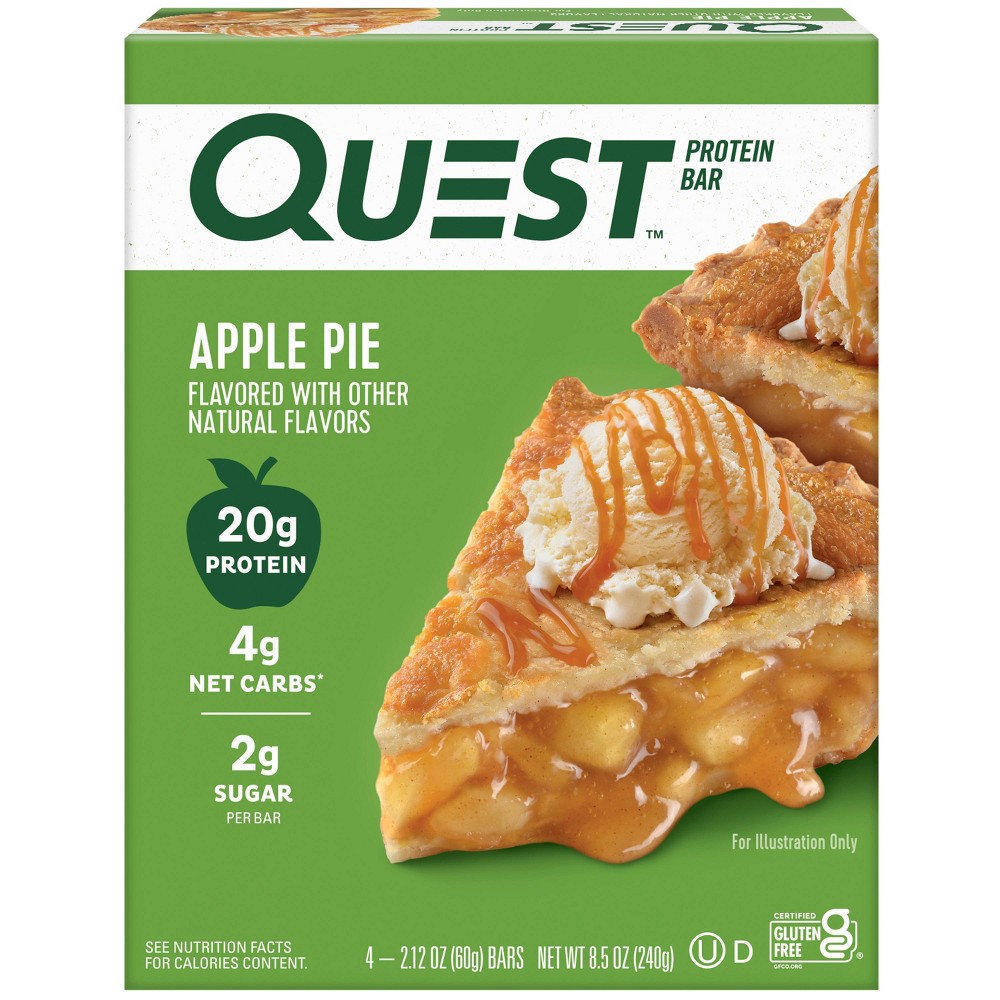
Quest Nutrition Protein Bar - Apple Pie - 8.5oz/4ct: Chewy, 20g Protein, Ready to Eat
Summary
This protein bar contains high-quality protein sources like milk protein isolate and whey protein isolate, which are beneficial for muscle repair and growth. However, the presence of palm kernel oil, sucralose, and natural flavors raises concerns due to their potential negative health impacts and lack of transparency. Additionally, the product includes a significant number of additives, which contributes to its high processing level, affecting its overall healthiness.
At a glance
Key ingredients 9
Milk Protein IsolateGood
Milk protein isolate is a high-quality protein source that provides a complete amino acid profile. It is derived from milk and is minimally processed, retaining most of its nutritional benefits. This ingredient supports muscle repair and growth.
Benefits
Rich in essential amino acids, supporting muscle health and recovery.
Whey Protein IsolateGood
Whey protein isolate is a highly refined protein source known for its rapid absorption and complete amino acid profile. It is derived from milk and undergoes processing to remove fats and lactose, making it suitable for lactose-intolerant individuals. This ingredient is effective for muscle building and recovery.
Benefits
Supports muscle growth and recovery due to its high bioavailability and amino acid content.
PolydextroseNeutral
Polydextrose is a synthetic polymer of glucose used as a prebiotic fiber. It is added to foods to increase fiber content and improve texture. While it can aid in digestive health, it is not a natural fiber source.
Risks
Excessive consumption may cause digestive discomfort such as bloating or gas.
Benefits
Acts as a prebiotic fiber, potentially supporting gut health.
AlmondsGood
Almonds are a nutrient-dense nut rich in healthy fats, protein, and fiber. They are minimally processed and provide essential vitamins and minerals such as vitamin E and magnesium. Almonds contribute to heart health and satiety.
Benefits
Rich in monounsaturated fats and antioxidants, supporting heart health and providing anti-inflammatory benefits.
ErythritolNeutral
Erythritol is a sugar alcohol used as a low-calorie sweetener. It is naturally found in some fruits and is well-tolerated by most people. It does not raise blood sugar levels, making it suitable for diabetics.
Risks
Excessive consumption may cause digestive discomfort in some individuals.
Benefits
Provides sweetness without calories, making it a suitable sugar alternative for weight management.
Dried AppleNeutral
Dried apple provides natural sweetness and some fiber. It is preserved with ascorbic acid and citric acid to prevent browning, which are common food-grade preservatives. While it adds flavor, it is not a significant source of nutrients.
Benefits
Adds natural flavor and some fiber content to the product.
Palm Kernel OilBad
Palm kernel oil is a highly saturated fat often used in processed foods. It is associated with deforestation and environmental concerns due to unsustainable farming practices. Its high saturated fat content may impact heart health negatively.
Risks
High saturated fat content may contribute to increased cholesterol levels and heart disease risk.
Natural FlavorsBad
Natural flavors are a catch-all term for flavoring agents derived from natural sources but can be highly processed. They lack transparency, making it difficult to assess their health impact. This ingredient is often used to enhance taste without providing nutritional value.
Risks
Potential for undisclosed allergens or additives; lack of transparency in ingredient sourcing.
SucraloseBad
Sucralose is an artificial sweetener that is much sweeter than sugar and used to reduce calorie content. It is chemically altered to be non-caloric, but its long-term health effects are still debated. Some studies suggest it may affect gut health negatively.
Risks
Potential impact on gut microbiota and possible metabolic effects with excessive consumption.
Benefits
Provides sweetness without calories, aiding in calorie reduction.
Processing
Ultra-Processed Foods
Get the full breakdown in the Scout app
Scan any product to see lab results, healthy alternatives, and your personalized analysis.
Download on theApp Store