


At a glance
Summary
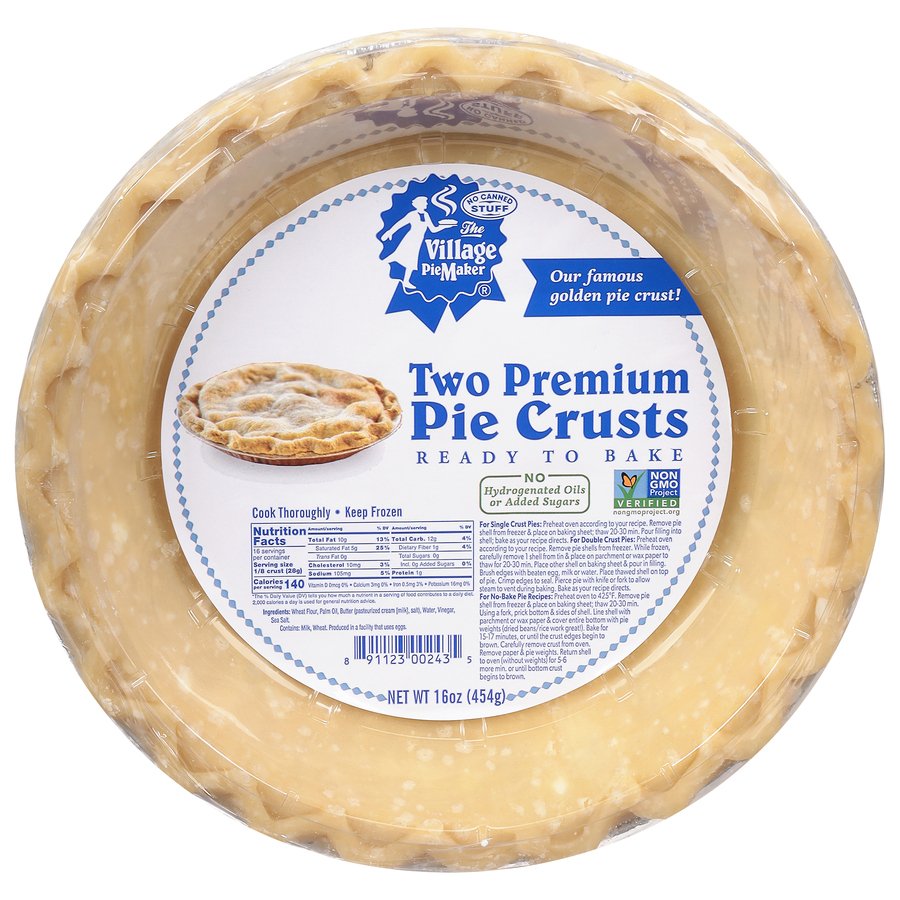
This pie crust is moderately processed and contains palm oil, which is high in saturated fats and associated with environmental concerns. However, it also includes beneficial ingredients like butter and sea salt, which contribute to its flavor and nutritional profile. The absence of artificial additives and the use of recognizable ingredients help maintain a balanced score despite the processing level.
Key ingredients 6
ButterGood
Butter is a natural fat derived from cream, providing rich flavor and texture. It contains fat-soluble vitamins like A, D, E, and K. Grass-fed butter offers higher levels of omega-3 fatty acids and CLA compared to conventional butter.
Risks
High in saturated fats, which should be consumed in moderation to avoid cardiovascular risks.
Benefits
Rich in fat-soluble vitamins and provides a natural source of healthy fats, especially when grass-fed.
VinegarGood
Vinegar is used in baking to enhance flavor and improve dough texture. It can help in leavening when combined with baking soda. Vinegar may also have antimicrobial properties and aid in digestion.
Benefits
Enhances flavor and texture in baking, and may offer antimicrobial and digestive benefits.
Sea SaltGood
Sea salt is a natural source of sodium and trace minerals. It is less processed than table salt and can enhance the flavor of foods. The trace minerals in sea salt can contribute to overall mineral intake.
Risks
Excessive sodium intake can lead to hypertension and cardiovascular issues.
Benefits
Provides essential sodium and trace minerals, enhancing flavor and contributing to mineral intake.
WaterNeutral
Water is a basic ingredient used to hydrate and bind ingredients in recipes. It is essential for the dough formation process. There are no health concerns associated with water in this context.
Benefits
Essential for hydration and dough formation in baking.
Wheat FlourBad
Refined grain flour stripped of bran and germ.
Risks
Refined wheat flour can contribute to blood sugar spikes and may lack essential nutrients found in whole grains.
Benefits
Provides structure and texture to baked goods, making it essential for many recipes.
Palm OilBad
Palm oil is a common cooking oil that is high in saturated fats. Its production is often associated with deforestation and environmental concerns. While it is stable at high temperatures, it lacks the health benefits of oils like olive or avocado oil.
Risks
High in saturated fats, which may contribute to heart disease if consumed in excess. Environmental concerns due to deforestation.
Benefits
Stable at high temperatures, making it suitable for frying and baking.
Processing
Processed Foods
Get the full breakdown in the Scout appTake Scout shopping
Scan any product to see lab results, healthy alternatives, and your personalized analysis.
Download on theApp Store GET IT ONGoogle Play