

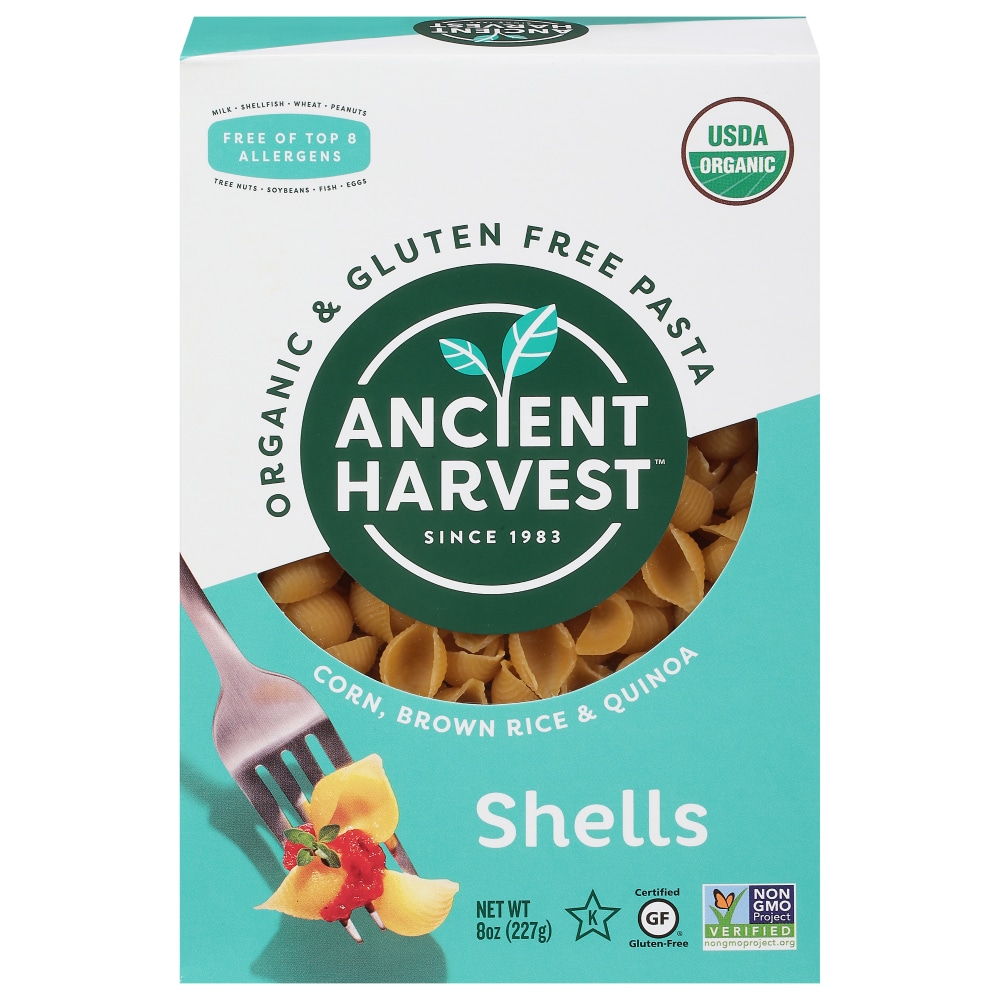

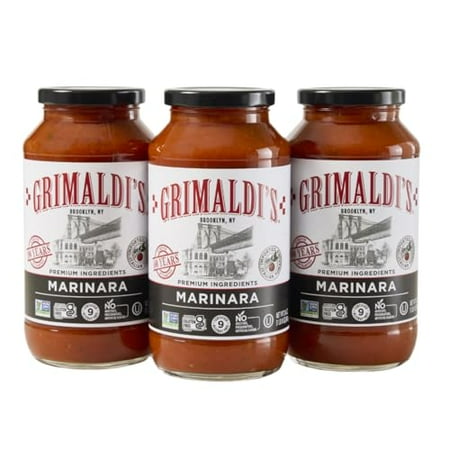

Mac & cheese
Summary
This mac & cheese product features beneficial ingredients such as whole wheat pasta, low-fat cheddar cheese, and broccoli, which contribute to its nutritional value. The product is processed, which limits its score, but the absence of harmful additives and the use of minimally processed ingredients like durum semolina flour and milk enhance its overall quality. The high fiber content and use of nutrient-dense components make it a healthier option within its category.
At a glance
Key ingredients 10
Durum semolina flourGood
Durum semolina flour is a high-protein wheat flour used in pasta making. It provides a firm texture and is rich in gluten, which helps pasta maintain its shape. It is minimally processed, retaining more nutrients compared to refined flours.
Risks
Contains gluten, which may cause issues for individuals with celiac disease or gluten sensitivity.
Benefits
High in protein and provides a good source of energy. Its complex carbohydrates are digested slowly, providing sustained energy.
Modified wheat starchNeutral
Modified wheat starch is used to improve texture and stability in processed foods. It is derived from wheat and undergoes chemical or physical modification. While it enhances product quality, it does not provide significant nutritional benefits.
Risks
May cause digestive issues in sensitive individuals due to its processed nature.
Benefits
Improves texture and stability of the product, enhancing consumer experience.
Wheat glutenNeutral
Wheat gluten is a protein derived from wheat, used to improve texture and elasticity in food products. It is a common ingredient in pasta to enhance its chewiness. While it is a good protein source, it may not be suitable for everyone.
Risks
Can trigger adverse reactions in individuals with gluten intolerance or celiac disease.
Benefits
Provides a high-quality protein source that enhances the texture of pasta.
Whole wheat pastaVery Good
Whole wheat pasta is made from whole grains, retaining more nutrients and fiber than refined pasta. It provides a healthier alternative with a lower glycemic index. The presence of bran and germ enhances its nutritional profile.
Risks
Contains gluten, which may not be suitable for those with gluten-related disorders.
Benefits
Rich in dietary fiber, vitamins, and minerals, supporting digestive health and providing sustained energy.
Low-fat sharp cheddar cheeseGood
Low-fat sharp cheddar cheese provides a flavorful source of calcium and protein with reduced fat content. It is made by removing some of the fat from regular cheddar cheese. This makes it a healthier option for those monitoring fat intake.
Risks
Contains lactose, which may cause issues for lactose-intolerant individuals.
Benefits
Good source of calcium and protein, supporting bone health and muscle maintenance.
Blended cottage cheeseGood
Blended cottage cheese is a low-fat dairy product rich in protein and calcium. It is made by curdling milk and draining the whey, resulting in a creamy texture. It is beneficial for muscle growth and bone health.
Risks
May contain lactose, which can be problematic for lactose-intolerant individuals.
Benefits
High in protein and calcium, supporting muscle growth and bone health.
Cheddar cheese powderNeutral
Cheddar cheese powder is a dehydrated form of cheddar cheese used for flavoring. It is convenient for adding cheese flavor without refrigeration. However, it may contain additives to enhance shelf life and flavor.
Risks
May contain additives and preservatives that could be a concern for some individuals.
Benefits
Provides a concentrated cheese flavor, enhancing the taste of the product.
BroccoliVery Good
Broccoli is a nutrient-dense vegetable rich in vitamins, minerals, and antioxidants. It is minimally processed and retains its nutritional value when included in dishes. Its high fiber content supports digestive health.
Benefits
Rich in vitamins C and K, fiber, and antioxidants, supporting immune function and overall health.
MilkGood
Milk is a natural source of calcium, protein, and essential vitamins. It is minimally processed and provides a balanced nutritional profile. It supports bone health and provides essential nutrients for growth and development.
Risks
Contains lactose, which may cause digestive issues for lactose-intolerant individuals.
Benefits
Excellent source of calcium and protein, supporting bone health and muscle function.
Kosher saltNeutral
Kosher salt is a coarse-grained salt used for seasoning and flavor enhancement. It is minimally processed and free from additives. While it enhances flavor, excessive consumption can lead to health issues.
Risks
Excessive salt intake can contribute to high blood pressure and cardiovascular issues.
Benefits
Enhances flavor without the additives found in some table salts.
Processing
Processed Foods
Get the full breakdown in the Scout app
Scan any product to see lab results, healthy alternatives, and your personalized analysis.
Download on theApp Store