

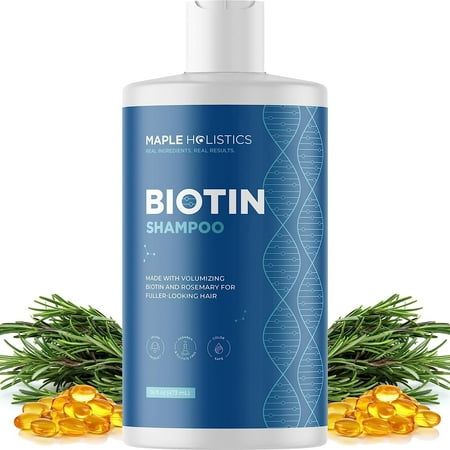
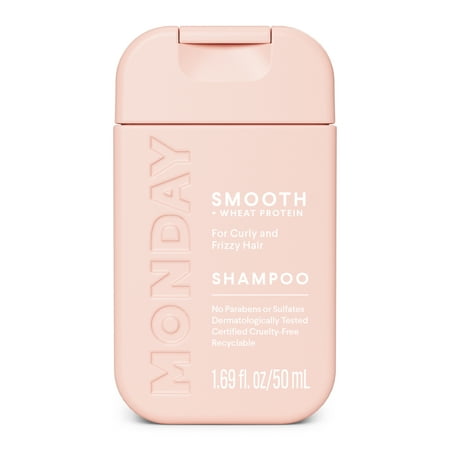
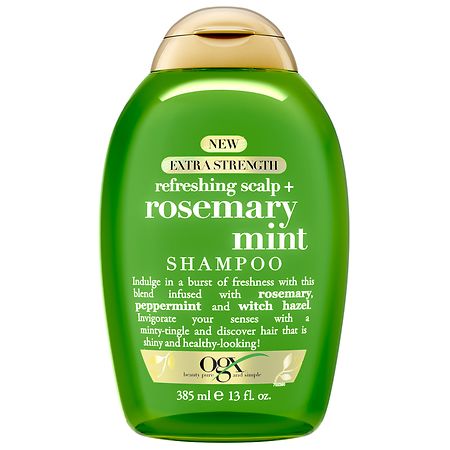
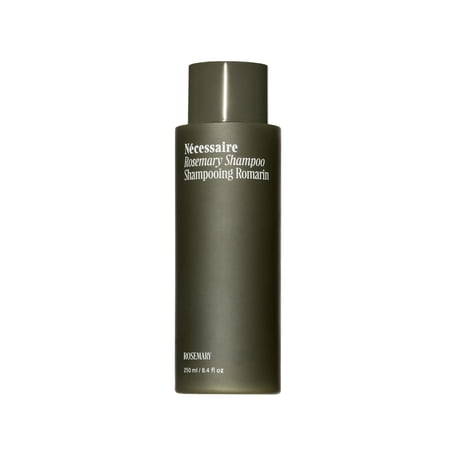
Raw Sugar The Truly Unruly Shampoo - Avocado + Apple Cider Vinegar + Rosemary Oil - 18 fl oz
Analysis updated August 2026 · How Scout scores
At a glance
Summary
This shampoo contains beneficial ingredients like coconut-derived surfactants, avocado extract, and rosemary oil, which are known for their gentle cleansing and nourishing properties. However, the presence of sodium chloride as a thickener and synthetic fragrance, which can cause irritation, slightly detracts from its overall safety profile. The product is processed, which limits its potential score despite the inclusion of several high-quality ingredients.
Key ingredients 12
Sodium Cocoyl IsethionateVery Good
Sodium Cocoyl Isethionate is a gentle surfactant derived from coconut oil, known for its mildness and ability to cleanse without drying the hair. It is favored for its ability to produce a rich, creamy lather.
Risks
There are minimal risks associated with its use, making it suitable for sensitive scalps.
Benefits
It effectively cleanses while maintaining the hair's natural oils, promoting softness and manageability.
Persea Gratissima (Avocado) Fruit ExtractVery Good
Avocado extract is rich in vitamins and fatty acids, which nourish and condition the hair. It is known for its ability to strengthen and add shine to hair.
Risks
There are no significant risks associated with avocado extract in hair care.
Benefits
It provides deep conditioning and helps to repair damaged hair, enhancing overall hair health.
GlycerinGood
Glycerin is a humectant that attracts moisture to the hair, helping to keep it hydrated and soft. It is a common ingredient in hair care products due to its moisturizing properties.
Risks
Overuse can lead to a sticky residue if not properly rinsed out.
Benefits
It enhances moisture retention, improving hair texture and reducing frizz.
Pyrus Malus (Apple Cider) VinegarGood
Apple cider vinegar is used in hair care for its ability to balance the scalp's pH and remove buildup. It is known for enhancing shine and smoothness.
Risks
Excessive use can lead to dryness or irritation due to its acidic nature.
Benefits
It clarifies the scalp and hair, promoting a healthy scalp environment and enhancing hair shine.
Rosmarinus Officinalis (Rosemary) Leaf OilGood
Rosemary oil is known for its stimulating properties, which can promote hair growth and improve scalp health. It has antioxidant and anti-inflammatory benefits.
Risks
In high concentrations, it may cause irritation or allergic reactions.
Benefits
It enhances circulation to the scalp, potentially promoting hair growth and reducing dandruff.
WaterNeutral
Water is a common solvent used in shampoos to dissolve other ingredients and provide a base for the formulation. It does not have any direct benefits or risks associated with its use in hair care products.
Risks
There are no known risks associated with water in hair care products.
Benefits
Water helps to dissolve and distribute other ingredients evenly throughout the hair.
Cocamidopropyl BetaineNeutral
Standard formulation ingredient — neither beneficial nor harmful at typical use.
Risks
In rare cases, it may cause irritation or allergic reactions in sensitive individuals.
Benefits
It provides gentle cleansing and helps to maintain the hair's natural moisture balance.
Sodium ChlorideNeutral
Standard formulation ingredient — neither beneficial nor harmful at typical use.
Risks
Prolonged use can lead to dryness and irritation of the scalp.
Benefits
It helps to thicken the shampoo, improving its texture and application.
Citric AcidNeutral
Citric acid is used to adjust the pH of hair care products, ensuring they are not too alkaline. It helps to maintain the stability of the formulation.
Risks
In high concentrations, it may cause irritation or dryness.
Benefits
It helps to balance the pH, which can enhance the effectiveness and safety of the product.
Potassium SorbateBad
Synthetic preservative — flagged in daily-use products.
Risks
In rare cases, it may cause mild irritation or allergic reactions.
Benefits
It extends the shelf life of the product by preventing microbial growth.
Sodium BenzoateBad
Synthetic preservative that can form benzene in the presence of vitamin C.
Risks
There is a potential for irritation in sensitive individuals.
Benefits
It helps to preserve the product, ensuring its safety and longevity.
FragranceVery Bad
Fragrance in hair care products can be synthetic and may cause allergic reactions or irritation. It is often criticized for its lack of transparency regarding the specific chemicals used.
Risks
Potential for allergic reactions and irritation, especially in sensitive individuals.
Benefits
Provides a pleasant scent to the product, enhancing user experience.
Processing
Processed Foods
Get the full breakdown in the Scout appTake Scout shopping
Scan any product to see lab results, healthy alternatives, and your personalized analysis.
Download on theApp Store GET IT ONGoogle Play