


At a glance
Summary
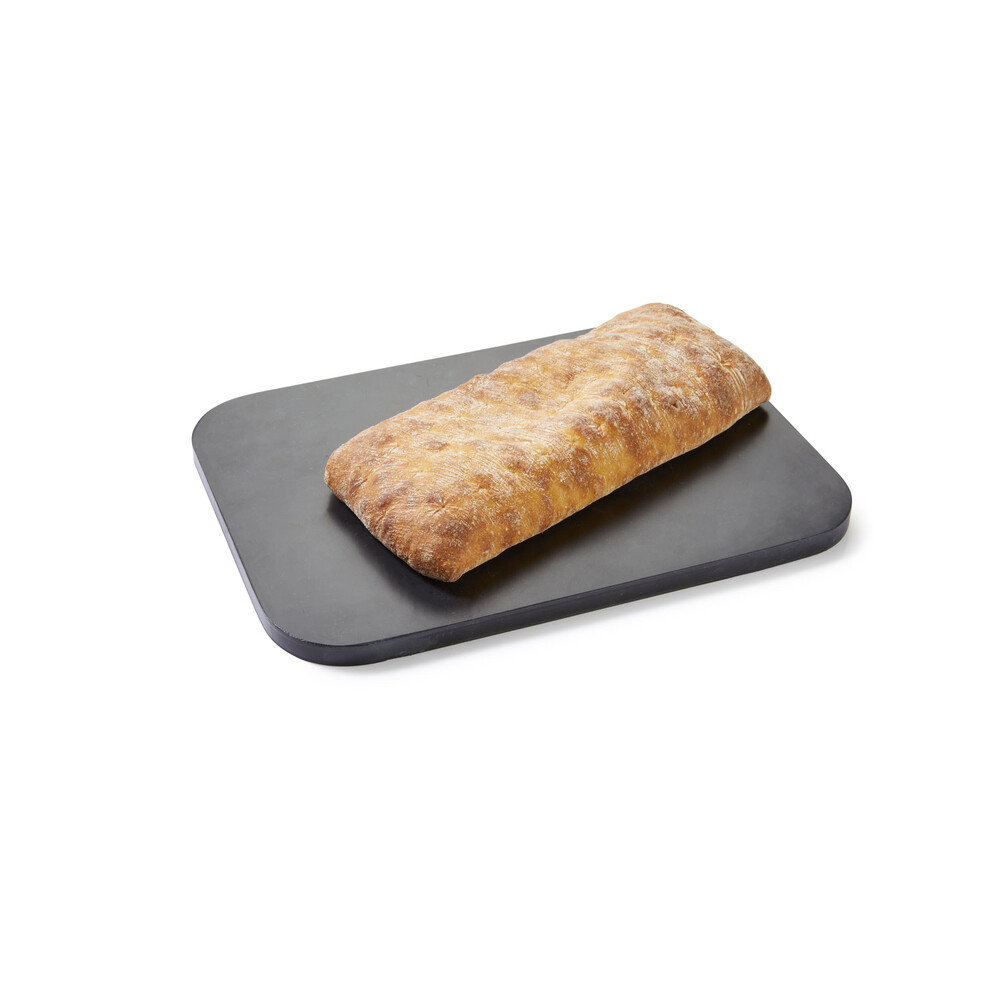
The stone baked ciabatta loaf contains mostly simple ingredients like wheat flour, water, and olive oil, which are generally considered healthy. However, the presence of a bread improver with additives such as enzymes and antioxidants indicates a moderate level of processing. While olive oil and yeast are beneficial, the use of processed additives slightly detracts from the overall healthiness of the product.
Key ingredients 7
Olive OilGood
Olive oil is a healthy fat known for its monounsaturated fatty acids and antioxidant properties. It supports heart health and has anti-inflammatory effects. Cold-pressed olive oil retains more nutrients and flavor.
Benefits
Rich in monounsaturated fats that support heart health and provide anti-inflammatory properties.
WaterNeutral
Water is a fundamental ingredient in bread, necessary for dough formation and yeast activation. It is a natural, unprocessed ingredient with no health risks. Water content affects the texture and hydration of the bread.
Benefits
Essential for hydration and dough consistency in bread making.
SaltNeutral
Salt is used in bread to enhance flavor and control yeast fermentation. Excessive consumption can lead to high blood pressure and cardiovascular issues. It is a necessary component for proper dough development.
Risks
High intake may contribute to hypertension and cardiovascular diseases.
Benefits
Enhances flavor and helps regulate yeast activity in bread making.
YeastNeutral
Baker's/nutritional yeast in standard use — benign.
Benefits
Provides essential nutrients and contributes to the leavening and flavor of bread.
MaltNeutral
Malt is used in bread for its flavor and to aid in fermentation. It is derived from barley and can enhance the sweetness and color of the bread. Malt provides some vitamins and minerals but is used in small quantities.
Risks
Contains gluten, which may be a concern for those with celiac disease or gluten sensitivity.
Benefits
Enhances flavor and color, and provides some nutritional benefits in small amounts.
Wheat FlourBad
Refined grain flour stripped of bran and germ.
Risks
May cause blood sugar spikes and is a common allergen for those with gluten sensitivity or celiac disease.
Benefits
Provides essential carbohydrates for energy and is a key component in traditional bread making.
ImproverBad
Bread improvers often contain additives like enzymes and antioxidants to enhance dough performance. These additives can be highly processed and may not be necessary for traditional bread making. The presence of soy flour may be a concern for those with soy allergies.
Risks
May contain allergens like soy and unnecessary additives that some consumers prefer to avoid.
Benefits
Improves dough consistency and shelf life, but offers no significant nutritional benefits.
Processing
Processed Foods
Get the full breakdown in the Scout appTake Scout shopping
Scan any product to see lab results, healthy alternatives, and your personalized analysis.
Download on theApp Store GET IT ONGoogle Play