

At a glance
Summary
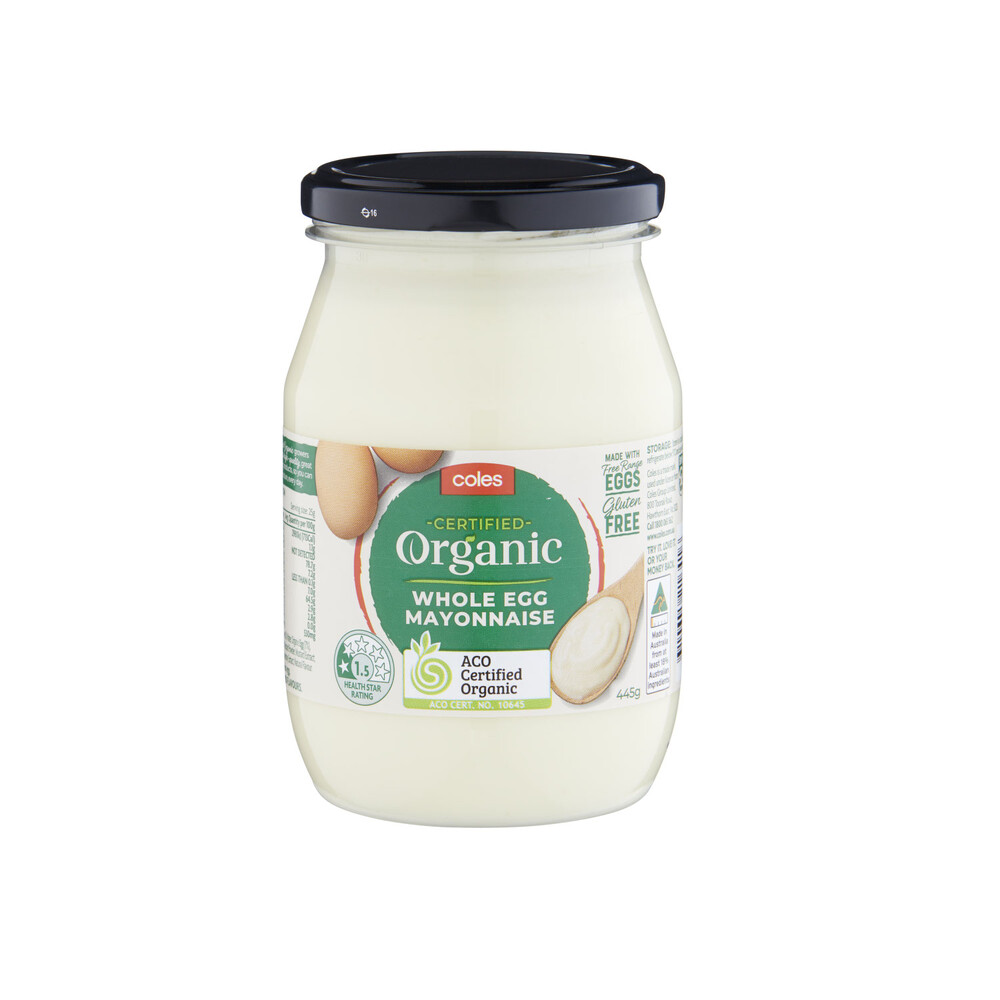
This mayonnaise contains organic ingredients, which is a positive aspect, but it relies heavily on sunflower oil, a seed oil high in omega-6 fatty acids that can contribute to inflammation. The presence of organic sugar adds to the concerns, as it is a refined carbohydrate that can impact blood sugar levels. While the product is processed, it does not contain artificial additives, which helps mitigate some of the negative aspects.
Key ingredients 10
Organic EggGood
Organic eggs are a high-quality source of protein and essential nutrients. They provide vitamins such as B12 and D, and minerals like selenium. Being organic, they are free from synthetic pesticides and antibiotics.
Risks
Potential allergen for some individuals.
Benefits
Rich in high-quality protein and essential nutrients like vitamins B12 and D.
Organic Mustard PowderGood
Organic mustard powder adds flavor and potential health benefits due to its antioxidant properties. It is free from synthetic pesticides and additives. Mustard seeds contain compounds that may support digestion and have anti-inflammatory effects.
Risks
Potential allergen for some individuals.
Benefits
Contains antioxidants and compounds that may support digestion and reduce inflammation.
WaterNeutral
Water is used as a solvent and to adjust the consistency of the product. It is a neutral ingredient with no direct nutritional impact. Its presence helps in emulsifying and stabilizing the mayonnaise.
See more about Water →SaltNeutral
Salt is used to enhance flavor and preserve the product. It is a common culinary ingredient with no direct nutritional benefits. Excessive consumption can lead to health issues such as hypertension.
Risks
Excessive intake may contribute to hypertension and cardiovascular issues.
Food Acid (260)Neutral
Food acid 260, also known as acetic acid, is used to add acidity and preserve the product. It is a common additive in food processing. It poses no significant health risks when used in moderation.
Mustard ExtractNeutral
Mustard extract is used for flavoring and may contain beneficial compounds similar to mustard powder. It is a concentrated form of mustard flavor. Its health impact is minimal due to the small quantities used.
Risks
Potential allergen for some individuals.
Benefits
May contain beneficial compounds similar to mustard powder.
Concentrated Lemon JuiceNeutral
Concentrated lemon juice is used for flavor and acidity. It provides a natural source of vitamin C and antioxidants. However, its nutritional impact is minimal in the quantities used.
Benefits
Provides a natural source of vitamin C and antioxidants.
XanthanNeutral
Xanthan gum is used as a thickening and stabilizing agent in food products. It is a polysaccharide produced through fermentation. It is generally considered safe but may cause digestive issues in sensitive individuals.
Risks
May cause digestive issues in sensitive individuals when consumed in large amounts.
Organic SugarBad
Organic sugar is a refined carbohydrate that can contribute to increased blood sugar levels. Despite being organic, it still poses health risks similar to conventional sugar. It is used to enhance flavor but offers no nutritional benefits.
Risks
May contribute to increased blood sugar levels and associated health issues when consumed in excess.
Organic Sunflower OilVery Bad
Sunflower oil is a seed oil high in omega-6 fatty acids, which can promote inflammation. It is often extracted using high heat and chemicals, which may degrade its nutritional quality. Despite being organic, it still poses health concerns due to its fatty acid profile.
Risks
High omega-6 content may promote inflammation when consumed in excess.
Processing
Processed Foods
Get the full breakdown in the Scout appTake Scout shopping
Scan any product to see lab results, healthy alternatives, and your personalized analysis.
Download on theApp Store GET IT ONGoogle Play