


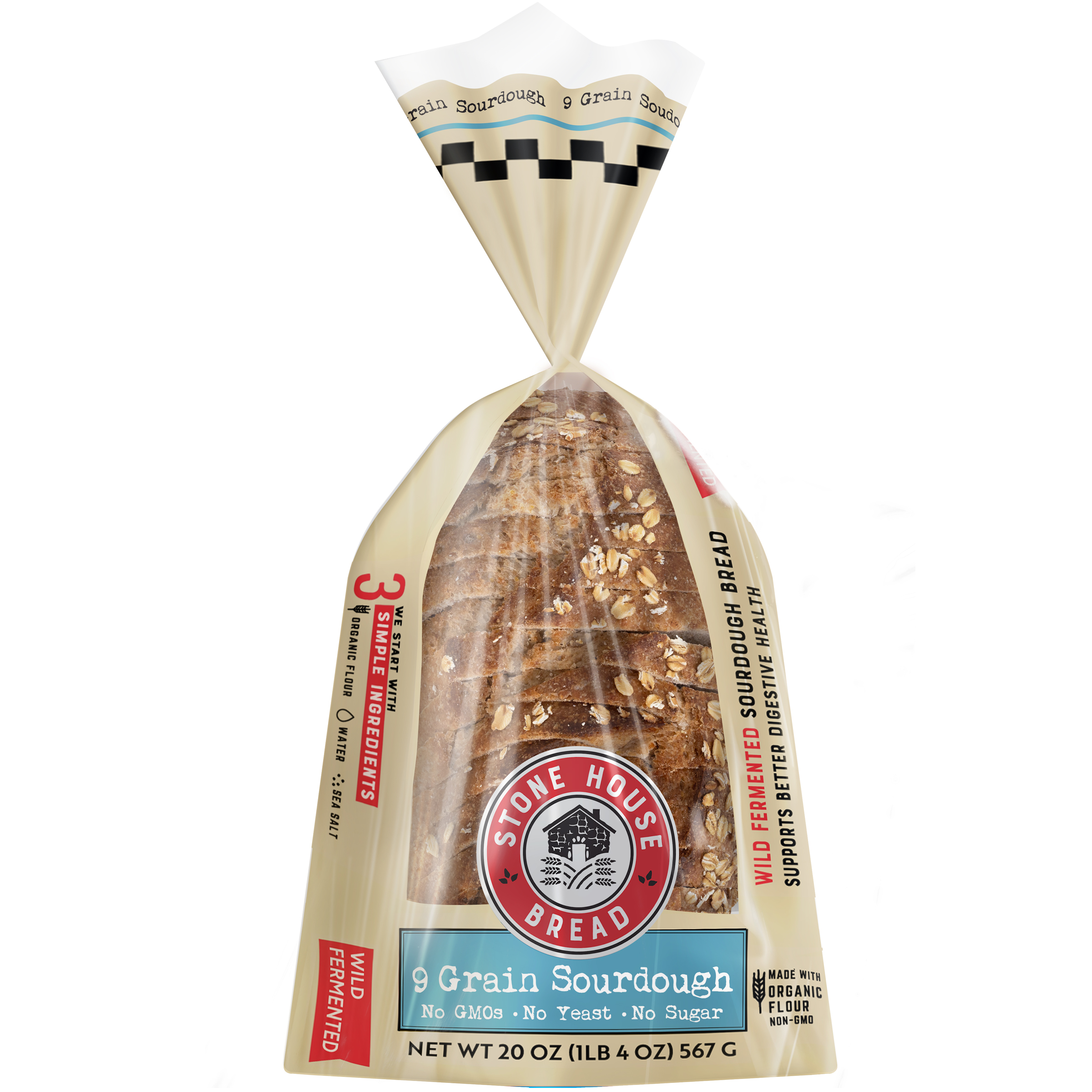


Coles Finest STONE BAKED SOURDOUGH
Analysis updated August 2026 · How Scout scores
At a glance
Summary
This stone baked sourdough bread features a relatively clean ingredient list with beneficial components like sourdough and wheat bran, which enhance its nutritional profile and digestibility. The bread is processed, but it avoids harmful additives such as seed oils and artificial preservatives, making it a healthier option compared to many other processed breads. The presence of iodised salt and vitamins like thiamin and folic acid further contribute to its nutritional value.
Key ingredients 9
WaterNeutral
Water is essential for dough formation and hydration, serving as a neutral component in the recipe.
See more about Water →Sourdough (Water, Wheat Flour, Rye Flour)Neutral
Sourdough acts as a natural leavening agent, contributing to flavor and texture without adding harmful substances.
Iodised SaltNeutral
Iodised salt enhances flavor and provides essential iodine, with no negative impact in typical consumption.
Malt PowderNeutral
Malt powder adds a subtle sweetness and flavor complexity, with no significant health concerns.
Wheat BranNeutral
Wheat bran increases dietary fiber content, supporting digestive health without adverse effects.
See more about Wheat Bran →YeastNeutral
Yeast is a natural leavening agent that helps the bread rise, with no harmful implications.
See more about Yeast →ThiaminNeutral
Part of Vitamins. Vitamins are added to enrich the bread's nutritional profile, supporting overall health.
See more about Thiamin →Folic AcidNeutral
Part of Vitamins. Vitamins are added to enrich the bread's nutritional profile, supporting overall health.
See more about Folic Acid →Wheat FlourBad
Refined grain flour stripped of bran and germ.
See more about Wheat Flour →Processing
Processed Foods
Get the full breakdown in the Scout appTake Scout shopping
Scan any product to see lab results, healthy alternatives, and your personalized analysis.
Download on theApp Store GET IT ONGoogle Play