



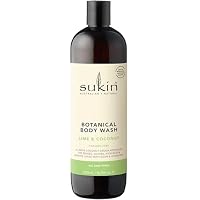
Sukin Hydrating Body Lotion Pump 250ml
Analysis updated August 2026 · How Scout scores
At a glance
Summary
This body lotion contains a variety of beneficial natural oils and butters, such as sesame seed oil, rose hip oil, cocoa butter, and shea butter, which are known for their moisturizing and nourishing properties. However, the presence of phenoxyethanol as a preservative and fragrance components like limonene and linalool, which can cause irritation or allergic reactions, slightly detracts from its overall safety profile. Despite these concerns, the product remains largely composed of natural and skin-friendly ingredients, contributing to its favorable rating.
Key ingredients 28
Aloe Barbadensis Leaf JuiceVery Good
Aloe vera is known for its soothing and moisturizing properties. It helps to calm irritated skin and provides hydration. It is a beneficial ingredient in skincare.
Risks
Rarely, aloe vera can cause allergic reactions in sensitive individuals.
Benefits
Aloe vera provides soothing and moisturizing benefits to the skin.
Sesamum Indicum (Sesame) Seed OilVery Good
Sesame seed oil is rich in antioxidants and essential fatty acids. It helps to nourish and protect the skin barrier. It is a beneficial natural oil in skincare.
Risks
May cause allergic reactions in individuals with sesame allergies.
Benefits
Sesame seed oil nourishes and protects the skin with its antioxidant properties.
Rosa Canina Fruit Oil (Rose Hip)Very Good
Rose hip oil is rich in essential fatty acids and vitamins A and C. It helps to nourish and rejuvenate the skin. It is a beneficial natural oil in skincare.
Risks
May cause allergic reactions in sensitive individuals.
Benefits
Rose hip oil nourishes and rejuvenates the skin with its rich nutrient content.
Theobroma Cacao (Cocoa) Seed ButterVery Good
Cocoa butter is a natural emollient that helps to moisturize and soften the skin. It is rich in antioxidants and fatty acids. It is a beneficial ingredient in skincare.
Risks
May cause allergic reactions in individuals with cocoa allergies.
Benefits
Cocoa butter moisturizes and softens the skin with its rich emollient properties.
Butyrospermum Parkii (Shea Butter)Very Good
Shea butter is a natural fat extracted from the nuts of the shea tree. It is known for its moisturizing and anti-inflammatory properties. It is a beneficial ingredient in skincare.
Risks
May cause allergic reactions in individuals with nut allergies.
Benefits
Shea butter provides moisturizing and anti-inflammatory benefits to the skin.
Simmondsia Chinensis (Jojoba) Seed OilVery Good
Jojoba oil is a natural oil that closely resembles the skin's sebum. It helps to moisturize and balance the skin. It is a beneficial ingredient in skincare.
Risks
There are minimal risks associated with jojoba oil in cosmetics.
Benefits
Jojoba oil moisturizes and balances the skin with its natural properties.
Persea Gratissima (Avocado) OilVery Good
Avocado oil is rich in vitamins and fatty acids. It helps to nourish and moisturize the skin. It is a beneficial natural oil in skincare.
Risks
May cause allergic reactions in individuals with avocado allergies.
Benefits
Avocado oil nourishes and moisturizes the skin with its rich nutrient content.
Triticum Vulgare (Wheat) Germ OilVery Good
Wheat germ oil is rich in vitamins and antioxidants. It helps to nourish and protect the skin. It is a beneficial ingredient in skincare.
Risks
May cause allergic reactions in individuals with wheat allergies.
Benefits
Wheat germ oil nourishes and protects the skin with its rich nutrient content.
Tocopherol (Vitamin E)Very Good
Vitamin E is a powerful antioxidant that helps to protect the skin from free radical damage. It also provides moisturizing benefits. It is a beneficial ingredient in skincare.
Risks
There are minimal risks associated with vitamin E in cosmetics.
Benefits
Vitamin E protects the skin from free radical damage and provides moisturizing benefits.
GlycerinGood
Glycerin is a humectant that attracts moisture to the skin. It helps to keep the skin hydrated and soft. It is a widely used and beneficial ingredient in skincare.
Risks
There are minimal risks associated with glycerin in cosmetics.
Benefits
Glycerin helps to keep the skin hydrated and soft.
Equisetum Arvense Extract (Horsetail)Good
Horsetail extract is rich in silica, which helps to strengthen and improve skin elasticity. It also has antioxidant properties. It is a beneficial botanical extract in skincare.
Risks
There are minimal risks associated with horsetail extract in cosmetics.
Benefits
Horsetail extract strengthens and improves skin elasticity with its silica content.
Arctium Lappa Root Extract (Burdock)Good
Burdock root extract is known for its anti-inflammatory and antibacterial properties. It helps to soothe and purify the skin. It is a beneficial botanical extract in skincare.
Risks
There are minimal risks associated with burdock root extract in cosmetics.
Benefits
Burdock root extract soothes and purifies the skin with its anti-inflammatory properties.
Urtica Dioica (Nettle) Leaf ExtractGood
Nettle leaf extract is rich in vitamins and minerals. It helps to nourish and revitalize the skin. It is a beneficial botanical extract in skincare.
Risks
There are minimal risks associated with nettle leaf extract in cosmetics.
Benefits
Nettle leaf extract nourishes and revitalizes the skin with its rich nutrient content.
Citrus Tangerina (Tangerine) Peel OilGood
Tangerine peel oil is known for its refreshing and uplifting scent. It also has antioxidant properties. It is a beneficial essential oil in skincare.
Risks
May cause photosensitivity when exposed to sunlight.
Benefits
Tangerine peel oil provides a refreshing scent and antioxidant benefits.
Citrus Nobilis (Mandarin Orange) Peel OilGood
Mandarin orange peel oil is known for its sweet and uplifting scent. It also has antioxidant properties. It is a beneficial essential oil in skincare.
Risks
May cause photosensitivity when exposed to sunlight.
Benefits
Mandarin orange peel oil provides a sweet scent and antioxidant benefits.
Citrus Aurantifolia (Lime) OilGood
Lime oil is known for its refreshing and invigorating scent. It also has antioxidant properties. It is a beneficial essential oil in skincare.
Risks
May cause photosensitivity when exposed to sunlight.
Benefits
Lime oil provides a refreshing scent and antioxidant benefits.
Lavandula Angustifolia (Lavender) OilGood
Lavender oil is known for its calming and soothing properties. It also has antimicrobial benefits. It is a beneficial essential oil in skincare.
Risks
May cause allergic reactions in sensitive individuals.
Benefits
Lavender oil provides calming and antimicrobial benefits.
Water (Aqua)Neutral
Water is a common solvent used in cosmetics to dissolve other ingredients. It helps in the application and absorption of the product. It does not provide direct benefits or risks.
Risks
There are no significant risks associated with water in cosmetics.
Benefits
Water helps in the application and absorption of the product.
Cetearyl AlcoholNeutral
Cetearyl alcohol is a fatty alcohol used as an emollient and thickener in cosmetics. It helps to improve the texture and spreadability of the product. It is generally considered safe and non-irritating.
Risks
There are minimal risks associated with cetearyl alcohol in cosmetics.
Benefits
Cetearyl alcohol improves the texture and spreadability of the product.
Cetyl AlcoholNeutral
Cetyl alcohol is a fatty alcohol used as an emollient and thickener. It helps to stabilize and thicken formulations. It is generally considered safe and non-irritating.
Risks
There are minimal risks associated with cetyl alcohol in cosmetics.
Benefits
Cetyl alcohol helps to stabilize and thicken formulations.
Ceteareth-20Neutral
Ceteareth-20 is an emulsifier that helps to blend oil and water-based ingredients. It improves the consistency and stability of the product. It is generally considered safe for use in cosmetics.
Risks
There are minimal risks associated with ceteareth-20 in cosmetics.
Benefits
Ceteareth-20 improves the consistency and stability of the product.
Vanilla Planifolia Fruit ExtractNeutral
Vanilla planifolia fruit extract is used for its fragrance and potential antioxidant properties. It provides a pleasant scent to the product. It is generally considered safe for use in cosmetics.
Risks
There are minimal risks associated with vanilla planifolia fruit extract in cosmetics.
Benefits
Vanilla planifolia fruit extract provides a pleasant scent and potential antioxidant benefits.
Citrus Paradisi (Grapefruit) Seed ExtractNeutral
Grapefruit seed extract is used for its potential antimicrobial properties. It helps to preserve the product. It is generally considered safe for use in cosmetics.
Risks
There are minimal risks associated with grapefruit seed extract in cosmetics.
Benefits
Grapefruit seed extract helps to preserve the product with its antimicrobial properties.
VanillinBad
Processed additive flagged under Scout's ingredient doctrine.
Risks
There are minimal risks associated with vanillin in cosmetics.
Benefits
Vanillin provides a pleasant vanilla fragrance to the product.
PhenoxyethanolBad
Phenoxyethanol is a synthetic preservative used to prevent microbial growth. It is effective but can cause irritation in some individuals. It is considered a controversial ingredient in cosmetics.
Risks
May cause skin irritation and allergic reactions in sensitive individuals.
Benefits
Phenoxyethanol helps to preserve the product by preventing microbial growth.
Benzyl AlcoholBad
Processed additive flagged under Scout's ingredient doctrine.
Risks
May cause skin irritation in sensitive individuals.
Benefits
Benzyl alcohol helps to preserve the product and improve texture.
LimoneneBad
Limonene is a fragrance component that provides a citrus scent. It can oxidize and cause skin irritation or allergic reactions. It is considered a potential allergen in cosmetics.
Risks
May cause skin irritation and allergic reactions upon oxidation.
Benefits
Limonene provides a citrus scent to the product.
LinaloolBad
Linalool is a fragrance component that provides a floral scent. It can oxidize and cause skin irritation or allergic reactions. It is considered a potential allergen in cosmetics.
Risks
May cause skin irritation and allergic reactions upon oxidation.
Benefits
Linalool provides a floral scent to the product.
Get the full breakdown in the Scout appTake Scout shopping
Scan any product to see lab results, healthy alternatives, and your personalized analysis.
Download on theApp Store GET IT ONGoogle PlayAmazon pricing & content
Amazon price as of . Product prices and availability are accurate as of the date/time indicated and are subject to change. Any price and availability information displayed on Amazon.com at the time of purchase will apply to the purchase of this product.
CERTAIN CONTENT THAT APPEARS ON THIS SITE COMES FROM AMAZON. THIS CONTENT IS PROVIDED “AS IS” AND IS SUBJECT TO CHANGE OR REMOVAL AT ANY TIME.