

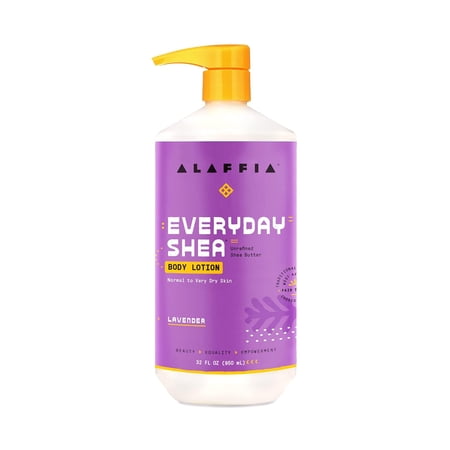


Alba Botanica Very Emollient Body Lotion Original Unscented - 12 fl oz
Analysis updated October 2026 · How Scout scores
At a glance
Summary
This body lotion contains a variety of beneficial natural ingredients such as shea butter, avocado oil, and jojoba seed oil, which are known for their moisturizing and nourishing properties. The presence of alcohol, although not in a high concentration, could potentially be drying to the skin, which slightly impacts the overall score. The product is mostly composed of safe and effective ingredients, with minimal synthetic additives, contributing to its favorable rating.
Key ingredients 30
Carthamus Tinctorius (Safflower) Seed OilVery Good
Safflower seed oil is rich in linoleic acid, which helps to maintain the integrity of the skin barrier. It is known for its moisturizing and anti-inflammatory properties.
Risks
There are minimal risks, though some individuals may experience allergic reactions.
Benefits
It provides essential fatty acids that nourish and hydrate the skin.
Sesamum Indicum (Sesame) Seed OilVery Good
Sesame seed oil is rich in antioxidants and essential fatty acids, which help to nourish and protect the skin. It is known for its moisturizing and anti-inflammatory properties.
Risks
There is a potential for allergic reactions in sensitive individuals.
Benefits
It helps to moisturize the skin and provides antioxidant protection.
Butyrospermum Parkii (Shea) ButterVery Good
Shea butter is a natural fat extracted from the nuts of the shea tree. It is known for its rich moisturizing properties and ability to soothe dry skin.
Risks
There is a potential for allergic reactions in individuals with nut allergies.
Benefits
It deeply moisturizes and nourishes the skin, providing essential fatty acids and vitamins.
Persea Gratissima (Avocado) OilVery Good
Avocado oil is rich in vitamins and fatty acids, which help to nourish and moisturize the skin. It is known for its regenerative and anti-inflammatory properties.
Risks
There is a potential for allergic reactions in sensitive individuals.
Benefits
It provides deep hydration and supports skin barrier function.
Simmondsia Chinensis (Jojoba) Seed OilVery Good
Jojoba oil is a liquid wax ester that closely resembles the skin's natural sebum. It is known for its moisturizing and balancing properties.
Risks
There are minimal risks, though it can cause irritation in very sensitive skin.
Benefits
It helps to balance oil production and provides long-lasting moisture.
Vitis Vinifera (Grape) Seed OilVery Good
Grape seed oil is rich in antioxidants and essential fatty acids, which help to protect and nourish the skin. It is known for its lightweight texture and quick absorption.
Risks
There is a potential for allergic reactions in sensitive individuals.
Benefits
It provides antioxidant protection and helps to maintain skin elasticity.
Aloe Barbadensis Leaf JuiceVery Good
Aloe vera is known for its soothing and hydrating properties. It helps to calm irritated skin and provide moisture.
Risks
There are minimal risks, though it can cause irritation in very sensitive skin.
Benefits
It soothes and hydrates the skin, providing relief from irritation.
Camellia Sinensis Leaf ExtractVery Good
Green tea extract is rich in antioxidants, which help to protect the skin from environmental damage. It is known for its anti-inflammatory and soothing properties.
Risks
There are minimal risks, though it can cause irritation in very sensitive skin.
Benefits
It provides antioxidant protection and helps to soothe the skin.
Chamomilla Recutita (Matricaria) Flower ExtractVery Good
Chamomile extract is known for its calming and anti-inflammatory properties. It helps to soothe irritated skin and reduce redness.
Risks
There is a potential for allergic reactions in sensitive individuals.
Benefits
It calms and soothes the skin, providing relief from irritation.
Cucumis Sativus (Cucumber) Fruit ExtractVery Good
Cucumber extract is known for its cooling and hydrating properties. It helps to soothe and refresh the skin.
Risks
There are minimal risks, though it can cause irritation in very sensitive skin.
Benefits
It hydrates and refreshes the skin, providing a cooling effect.
PanthenolVery Good
Panthenol, also known as provitamin B5, is known for its moisturizing and healing properties. It helps to improve skin hydration and reduce inflammation.
Risks
There are minimal risks, though it can cause irritation in very sensitive skin.
Benefits
It enhances skin hydration and promotes healing of damaged skin.
GlycerinGood
Glycerin is a humectant that attracts moisture to the skin, helping to keep it hydrated. It is widely used in skincare for its moisturizing properties.
Risks
There are minimal risks associated with glycerin, though it can be sticky in high concentrations.
Benefits
Glycerin helps to maintain skin hydration and improve skin barrier function.
Glyceryl Stearate SEGood
Glyceryl Stearate SE is an emulsifier that helps to blend water and oils in formulations. It also provides a smooth texture to the product.
Risks
There are no significant risks associated with this ingredient.
Benefits
It helps to stabilize emulsions and provides a creamy texture to lotions.
Echinacea Angustifolia ExtractGood
Echinacea extract is known for its anti-inflammatory and immune-boosting properties. It helps to soothe and protect the skin.
Risks
There is a potential for allergic reactions in sensitive individuals.
Benefits
It helps to soothe the skin and support its natural defenses.
Lavandula Angustifolia (Lavender) Flower/Leaf/Stem ExtractGood
Lavender extract is known for its calming and soothing properties. It helps to relax the skin and reduce irritation.
Risks
There is a potential for allergic reactions in sensitive individuals.
Benefits
It provides a calming effect and helps to soothe irritated skin.
Tocopheryl AcetateGood
Tocopheryl acetate is a form of vitamin E, known for its antioxidant properties. It helps to protect the skin from environmental damage.
Risks
There are minimal risks, though it can cause irritation in very sensitive skin.
Benefits
It provides antioxidant protection and helps to maintain skin health.
AllantoinGood
Allantoin is known for its soothing and skin-conditioning properties. It helps to calm irritated skin and promote healing.
Risks
There are minimal risks, though it can cause irritation in very sensitive skin.
Benefits
It soothes and conditions the skin, promoting healing and comfort.
Water (Aqua)Neutral
Water is a common solvent used in cosmetics to dissolve other ingredients. It helps in the application and absorption of the product.
Risks
There are no significant risks associated with water in cosmetics.
Benefits
Water helps to hydrate the skin and acts as a carrier for other beneficial ingredients.
Cetyl AlcoholNeutral
Standard formulation ingredient — neither beneficial nor harmful at typical use.
Risks
There are minimal risks, though it can cause irritation in very sensitive skin.
Benefits
It provides a creamy texture and helps to lock in moisture.
Ethylhexyl StearateNeutral
Ethylhexyl stearate is an emollient that provides a smooth feel to the skin. It is used to improve the spreadability of products.
Risks
There are no significant risks associated with this ingredient.
Benefits
It helps to improve the texture and application of the lotion.
Cetearyl AlcoholNeutral
Standard formulation ingredient — neither beneficial nor harmful at typical use.
Risks
There are minimal risks, though it can cause irritation in very sensitive skin.
Benefits
It helps to soften and smooth the skin while stabilizing the product.
Potassium HydroxideNeutral
Potassium hydroxide is used to adjust the pH of cosmetic formulations. It helps to maintain the stability and effectiveness of the product.
Risks
In high concentrations, it can be irritating to the skin.
Benefits
It helps to balance the pH of the product, ensuring its stability.
Xanthan GumNeutral
Xanthan gum is a thickening agent used to improve the texture and consistency of products. It helps to stabilize formulations.
Risks
There are minimal risks, though it can cause irritation in very sensitive skin.
Benefits
It provides a smooth texture and helps to stabilize the product.
AlcoholNeutral
Standard formulation ingredient — neither beneficial nor harmful at typical use.
Risks
It can strip the skin of natural oils, leading to dryness and irritation.
Benefits
It helps to preserve the product and improve its texture.
Benzoic AcidNeutral
Benzoic acid is used as a preservative in cosmetics to prevent microbial growth. It helps to extend the shelf life of the product.
Risks
There is a potential for irritation in sensitive individuals.
Benefits
It helps to preserve the product and prevent spoilage.
Dehydroacetic AcidNeutral
Dehydroacetic acid is a preservative used to prevent microbial growth in cosmetics. It helps to maintain the product's safety and efficacy.
Risks
There is a potential for irritation in sensitive individuals.
Benefits
It helps to preserve the product and ensure its safety.
DimethiconeBad
Occlusive silicone film-former — flagged under clean-beauty doctrine.
Risks
It can potentially cause build-up on the skin, leading to clogged pores.
Benefits
It forms a protective barrier on the skin, preventing moisture loss.
LecithinBad
Processed additive flagged under Scout's ingredient doctrine.
Risks
There are minimal risks, though it can cause irritation in very sensitive skin.
Benefits
It helps to stabilize formulations and provides moisture to the skin.
Polysorbate 60Bad
Processed additive flagged under Scout's ingredient doctrine.
Risks
There are minimal risks, though it can cause irritation in very sensitive skin.
Benefits
It helps to maintain the stability and consistency of the product.
PhenoxyethanolBad
Processed additive flagged under Scout's ingredient doctrine.
Risks
There is a potential for irritation in sensitive individuals.
Benefits
It helps to preserve the product and prevent spoilage.
Get the full breakdown in the Scout appTake Scout shopping
Scan any product to see lab results, healthy alternatives, and your personalized analysis.
Download on theApp Store GET IT ONGoogle PlayAmazon pricing & content
Amazon price as of . Product prices and availability are accurate as of the date/time indicated and are subject to change. Any price and availability information displayed on Amazon.com at the time of purchase will apply to the purchase of this product.
CERTAIN CONTENT THAT APPEARS ON THIS SITE COMES FROM AMAZON. THIS CONTENT IS PROVIDED “AS IS” AND IS SUBJECT TO CHANGE OR REMOVAL AT ANY TIME.