
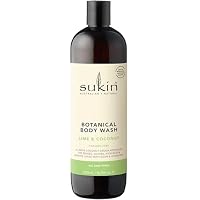
Sukin 455433 16.9 oz Hydrating Body Lotion Lime Coconut
Summary
This body lotion contains a variety of beneficial natural ingredients such as aloe vera, sesame seed oil, cocoa butter, shea butter, jojoba oil, and avocado oil, which are known for their moisturizing and skin-nourishing properties. The product avoids harmful synthetic chemicals and fragrances, which enhances its safety profile. However, the presence of some processed ingredients like cetearyl alcohol and ceteareth-20, which are common emulsifiers, slightly lowers its score due to the processing level.
At a glance
Key ingredients 12
Water
Water is a universal solvent used to dissolve other ingredients. It helps in the application and absorption of the lotion. It is essential for hydrating the skin.
Risks
There are no significant risks associated with water in cosmetics.
Benefits
Water helps to hydrate the skin and improve the texture of the lotion.
Aloe Barbadensis Leaf Juice
Aloe vera is known for its soothing and moisturizing properties. It helps to calm irritated skin and provides hydration. It is often used in products for sensitive skin.
Risks
Rarely, aloe vera can cause allergic reactions in sensitive individuals.
Benefits
Aloe vera provides anti-inflammatory benefits and helps to soothe and hydrate the skin.
Sesamum Indicum Seed Oil
Sesame seed oil is a natural oil rich in antioxidants and essential fatty acids. It helps to moisturize and protect the skin barrier. It is often used for its emollient properties.
Risks
There is a low risk of allergic reactions for those with sesame allergies.
Benefits
Sesame seed oil provides deep moisturization and helps to maintain skin elasticity.
Cetearyl Alcohol
Cetearyl alcohol is a fatty alcohol used as an emulsifier and thickener. It helps to stabilize and improve the texture of the lotion. It is not drying like other alcohols.
Risks
There are minimal risks, though some individuals may experience mild irritation.
Benefits
Cetearyl alcohol helps to soften and smooth the skin.
Glycerin
Glycerin is a humectant that attracts moisture to the skin. It helps to keep the skin hydrated and soft. It is widely used in skincare for its moisturizing properties.
Risks
Glycerin is generally safe, with low risk of irritation.
Benefits
Glycerin helps to maintain skin hydration and improve skin barrier function.
Cetyl Alcohol
Cetyl alcohol is a fatty alcohol used as an emollient and thickener. It helps to improve the texture and spreadability of the lotion. It is non-drying and beneficial for the skin.
Risks
There are minimal risks, though some individuals may experience mild irritation.
Benefits
Cetyl alcohol helps to soften and condition the skin.
Rosa Canina Fruit Oil
Rosehip oil is rich in essential fatty acids and vitamins A and C. It helps to nourish and regenerate the skin. It is known for its anti-aging and skin-repairing properties.
Risks
There is a low risk of allergic reactions for those with sensitivities.
Benefits
Rosehip oil helps to improve skin texture and reduce the appearance of scars and fine lines.
Theobroma Cacao Seed Butter
Cocoa butter is a natural fat extracted from cocoa beans. It is known for its moisturizing and emollient properties. It helps to create a protective barrier on the skin.
Risks
There is a low risk of allergic reactions for those with cocoa allergies.
Benefits
Cocoa butter helps to deeply moisturize and improve skin elasticity.
Butyrospermum Parkii Butter
Shea butter is a natural fat extracted from the nuts of the shea tree. It is highly moisturizing and helps to soothe and protect the skin. It is rich in vitamins and fatty acids.
Risks
There is a low risk of allergic reactions for those with nut allergies.
Benefits
Shea butter provides deep hydration and helps to improve skin texture.
Jojoba Oil
Jojoba oil is a natural oil that closely resembles the skin's natural sebum. It helps to balance oil production and moisturize the skin. It is non-comedogenic and suitable for all skin types.
Risks
There are minimal risks, though some individuals may experience mild irritation.
Benefits
Jojoba oil helps to moisturize and protect the skin without clogging pores.
Avocado Oil
Avocado oil is rich in vitamins and essential fatty acids. It helps to nourish and moisturize the skin. It is known for its regenerative and anti-inflammatory properties.
Risks
There is a low risk of allergic reactions for those with avocado allergies.
Benefits
Avocado oil helps to improve skin elasticity and reduce inflammation.
Rosehip Oil
Rosehip oil is rich in essential fatty acids and vitamins A and C. It helps to nourish and regenerate the skin. It is known for its anti-aging and skin-repairing properties.
Risks
There is a low risk of allergic reactions for those with sensitivities.
Benefits
Rosehip oil helps to improve skin texture and reduce the appearance of scars and fine lines.
Processing
Processed Foods
Get the full breakdown in the Scout app
Scan any product to see lab results, healthy alternatives, and your personalized analysis.
Download on theApp Store