
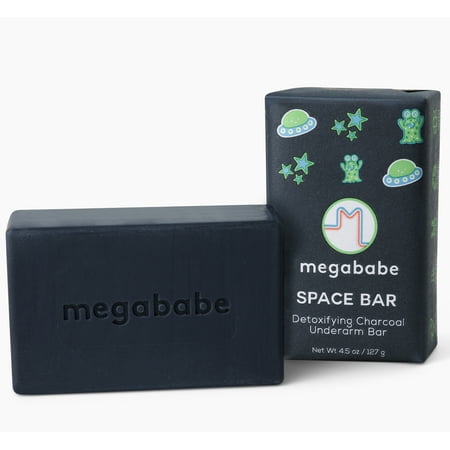


Megababe Space Bar Underarm Bar Soap with Detoxifying Charcoal for Odor Control 3.5 oz
Analysis updated May 2026 · How Scout scores
At a glance
Summary
This product contains a mix of natural and synthetic ingredients, with beneficial components like activated charcoal, tea tree oil, and avocado oil. However, it is moderately processed, which limits its score. The absence of harmful chemicals such as parabens or synthetic fragrances is a positive aspect, but the processing level prevents it from achieving a higher rating.
Key ingredients 19
Tea Tree OilVery Good
Tea tree oil is a natural antiseptic and anti-inflammatory agent, widely used for its ability to treat and prevent acne. It helps reduce skin irritation and inflammation.
Risks
In rare cases, tea tree oil can cause allergic reactions or skin irritation.
Benefits
It provides antimicrobial properties that help in controlling odor and maintaining skin health.
Melaleuca Alternifolia (Tea Tree) Leaf OilVery Good
Tea tree leaf oil is known for its antimicrobial and anti-inflammatory properties. It helps to treat and prevent acne and other skin conditions.
Risks
In rare cases, it can cause allergic reactions or skin irritation.
Benefits
It provides natural antimicrobial benefits and helps control odor.
Persea Gratissima (Avocado) OilVery Good
Avocado oil is rich in fatty acids and vitamins, making it an excellent moisturizer. It helps to nourish and hydrate the skin.
Risks
There are minimal risks associated with avocado oil, though it may cause irritation in very sensitive skin.
Benefits
It provides deep hydration and nourishment to the skin.
Helianthus Annuus (Sunflower) Seed OilVery Good
Sunflower seed oil is rich in vitamin E and fatty acids, providing moisturizing and antioxidant benefits. It helps to protect and nourish the skin.
Risks
There are minimal risks associated with sunflower seed oil, though it may cause irritation in very sensitive skin.
Benefits
It helps maintain skin hydration and provides antioxidant protection.
Camellia Sinensis (Green Tea) Leaf ExtractVery Good
Green tea leaf extract is known for its antioxidant and anti-inflammatory properties. It helps to protect the skin from environmental damage and reduce inflammation.
Risks
There are minimal risks associated with green tea extract, though it may cause irritation in very sensitive skin.
Benefits
It provides antioxidant protection and helps soothe the skin.
Olea Europaea (Olive) Fruit OilVery Good
Olive fruit oil is rich in antioxidants and healthy fats, providing excellent moisturizing and nourishing properties. It helps to improve skin texture and hydration.
Risks
There are minimal risks associated with olive oil, though it may cause irritation in very sensitive skin.
Benefits
It deeply moisturizes and nourishes the skin, improving its overall health.
Aloe Barbadensis Leaf JuiceVery Good
Aloe vera is known for its soothing and moisturizing properties. It helps to calm irritated skin and provide hydration.
Risks
There are minimal risks associated with aloe vera, though it may cause irritation in very sensitive skin.
Benefits
It soothes and hydrates the skin, promoting healing and comfort.
Activated CharcoalGood
Activated charcoal is known for its ability to absorb impurities and toxins, making it a popular ingredient in detoxifying products. It helps to cleanse the skin by drawing out dirt and oil.
Risks
There are minimal risks associated with activated charcoal, though it may cause dryness in sensitive skin.
Benefits
It effectively purifies the skin and helps control odor by absorbing bacteria and toxins.
GlycerinGood
Glycerin is a humectant that attracts moisture to the skin, helping to keep it hydrated. It is widely used in skincare for its moisturizing properties.
Risks
There are minimal risks associated with glycerin, though it may cause irritation in very sensitive skin.
Benefits
It helps maintain skin hydration and improves skin barrier function.
Charcoal PowderGood
Charcoal powder is used for its detoxifying properties, similar to activated charcoal. It helps to absorb impurities and excess oil from the skin.
Risks
There are minimal risks associated with charcoal powder, though it may cause dryness in sensitive skin.
Benefits
It enhances the cleansing and detoxifying effects of the product.
Glycolic AcidGood
Glycolic acid is an alpha hydroxy acid (AHA) used for its exfoliating properties. It helps to remove dead skin cells and improve skin texture.
Risks
It can cause irritation or sensitivity, especially in those with sensitive skin.
Benefits
It promotes skin renewal and improves the appearance of the skin.
Ascorbic Acid (Vitamin C)Good
Vitamin C — beneficial even when serving as a preservative.
Risks
It can cause irritation or sensitivity, especially in those with sensitive skin.
Benefits
It brightens the skin and provides antioxidant protection.
Sodium CocoateNeutral
Sodium cocoate is a soap derived from coconut oil, used as a cleansing agent. It is generally considered mild and safe for most skin types.
Risks
It may cause dryness in some individuals with sensitive skin.
Benefits
It effectively cleanses the skin without being overly harsh.
Water (Aqua)Neutral
Water is a common solvent in cosmetic formulations, used to dissolve other ingredients. It is essential for the consistency and application of the product.
Risks
There are no significant risks associated with water in cosmetic products.
Benefits
It acts as a base for the formulation, allowing for even distribution of active ingredients.
Coconut AcidNeutral
Coconut acid is derived from coconut oil and used as a surfactant and emulsifier. It helps to cleanse the skin by breaking down oils and dirt.
Risks
It may cause dryness in some individuals with sensitive skin.
Benefits
It contributes to the cleansing properties of the soap without being overly harsh.
Sodium CitrateNeutral
Sodium citrate is used as a buffering agent to maintain the pH balance of cosmetic formulations. It helps stabilize the product.
Risks
There are no significant risks associated with sodium citrate in cosmetic products.
Benefits
It helps maintain the stability and effectiveness of the product.
Sodium GluconateNeutral
Sodium gluconate is used as a chelating agent to improve the stability of cosmetic formulations. It helps to prevent discoloration and degradation of the product.
Risks
There are no significant risks associated with sodium gluconate in cosmetic products.
Benefits
It helps maintain the stability and effectiveness of the product.
Sodium ChlorideNeutral
Sodium chloride, or salt, is used as a thickening agent in cosmetic formulations. It helps to improve the texture and consistency of the product.
Risks
In high concentrations, it can cause dryness or irritation.
Benefits
It helps to thicken the product and improve its application.
MaltodextrinNeutral
Maltodextrin is used as a binding and stabilizing agent in cosmetic formulations. It helps to improve the texture and stability of the product.
Risks
There are no significant risks associated with maltodextrin in cosmetic products.
Benefits
It helps maintain the stability and consistency of the product.
Processing
Processed Foods
Get the full breakdown in the Scout appTake Scout shopping
Scan any product to see lab results, healthy alternatives, and your personalized analysis.
Download on theApp Store GET IT ONGoogle PlayAmazon pricing & content
Amazon price as of . Product prices and availability are accurate as of the date/time indicated and are subject to change. Any price and availability information displayed on Amazon.com at the time of purchase will apply to the purchase of this product.
CERTAIN CONTENT THAT APPEARS ON THIS SITE COMES FROM AMAZON. THIS CONTENT IS PROVIDED “AS IS” AND IS SUBJECT TO CHANGE OR REMOVAL AT ANY TIME.