
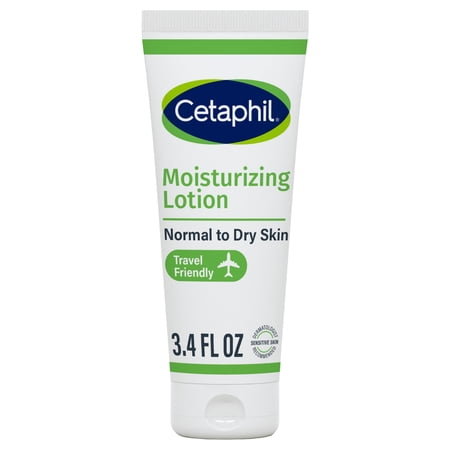
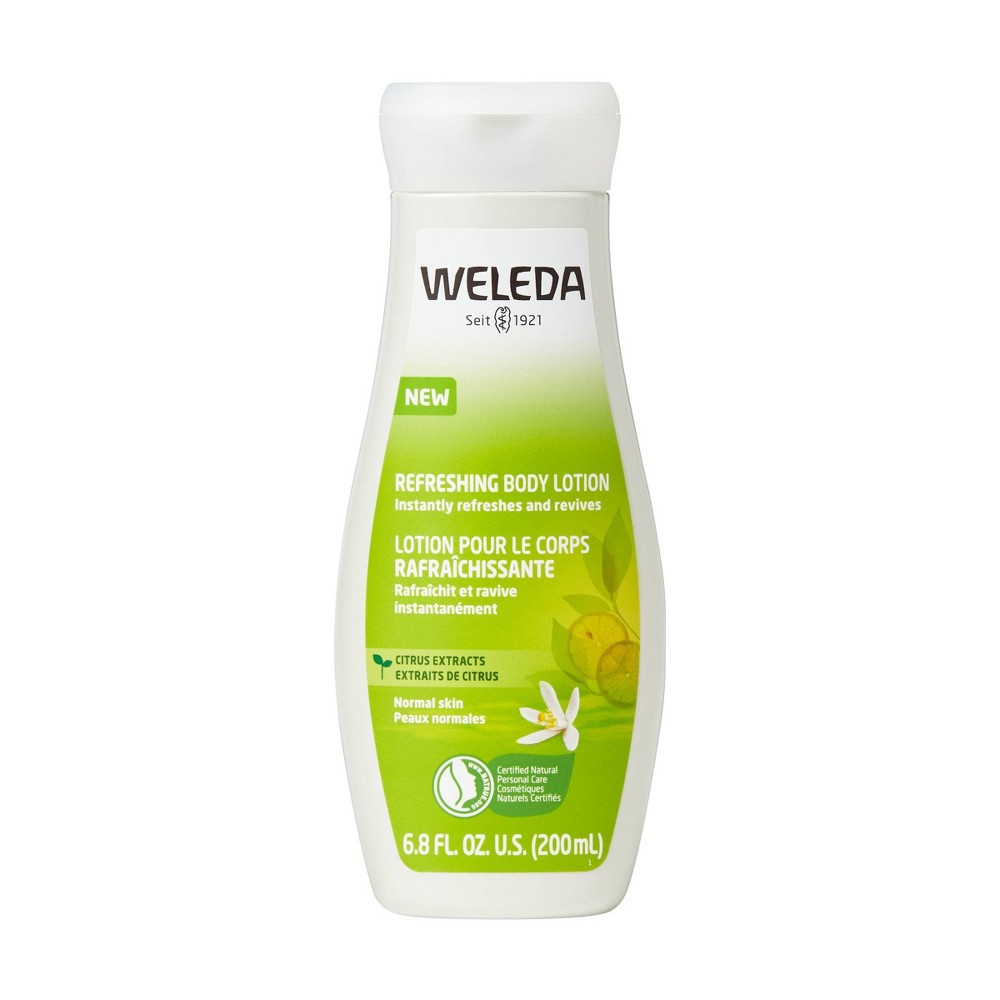
Cetaphil Moisturizing Lotion for Normal to Dry Skin Hydrating Fragrance Free 3.4 fl oz
Analysis updated September 2026 · How Scout scores
At a glance
Summary
This lotion contains several beneficial ingredients such as glycerin, panthenol, niacinamide, and avocado oil, which provide hydration and nourishment to the skin. However, the presence of benzyl alcohol, which can be irritating in high concentrations, slightly detracts from its overall safety profile. The product is mostly composed of safe and effective ingredients, with minimal synthetic additives, making it a good choice for moisturizing normal to dry skin.
Key ingredients 16
PanthenolVery Good
Panthenol is a provitamin of B5 that acts as a moisturizer and skin conditioner. It helps to improve skin hydration and elasticity.
Risks
There are minimal risks associated with panthenol, though it may cause irritation in very sensitive skin.
Benefits
Panthenol enhances skin hydration and improves skin barrier function.
Persea Gratissima (Avocado) OilVery Good
Avocado Oil is a natural oil rich in fatty acids and vitamins, providing deep moisturization and nourishment to the skin. It is highly beneficial for dry and sensitive skin types.
Risks
There are minimal risks, but it may cause irritation in individuals with avocado allergies.
Benefits
Avocado Oil deeply moisturizes and nourishes the skin, improving skin elasticity and barrier function.
GlycerinGood
Glycerin is a humectant that attracts moisture to the skin, helping to keep it hydrated. It is widely used in skincare for its moisturizing properties.
Risks
There are minimal risks associated with glycerin, though it may cause irritation in very sensitive skin.
Benefits
Glycerin helps to maintain skin hydration and improve skin barrier function.
NiacinamideGood
Niacinamide is a form of Vitamin B3 that offers multiple skin benefits, including improving skin tone and texture. It is known for its anti-inflammatory and brightening properties.
Risks
There are minimal risks, but it may cause mild irritation in very sensitive skin.
Benefits
Niacinamide helps to improve skin tone, reduce inflammation, and enhance skin barrier function.
Tocopheryl AcetateGood
Tocopheryl Acetate is a form of Vitamin E that acts as an antioxidant, protecting the skin from free radical damage. It is commonly used in skincare for its moisturizing and protective properties.
Risks
There are minimal risks, but it may cause irritation in very sensitive skin.
Benefits
It provides antioxidant protection and helps to moisturize the skin.
Helianthus Annuus (Sunflower) Seed OilGood
Sunflower Seed Oil is a natural oil rich in linoleic acid, which helps to maintain the skin's natural barrier and reduce moisture loss. It is commonly used in skincare for its emollient properties.
Risks
There are minimal risks, but it may cause irritation in individuals with sunflower allergies.
Benefits
Sunflower Seed Oil helps to maintain skin hydration and improve skin barrier function.
WaterNeutral
Water is a common solvent used in cosmetics to dissolve other ingredients. It helps in the application and absorption of the product. It does not provide direct benefits or risks.
Risks
There are no significant risks associated with water in cosmetics.
Benefits
Water helps in the application and absorption of the product.
Isopropyl PalmitateNeutral
Isopropyl Palmitate is an emollient that helps to soften and smooth the skin. It is commonly used in lotions and creams for its texture-enhancing properties.
Risks
It may cause mild irritation or acne in some individuals with sensitive or acne-prone skin.
Benefits
It provides a smooth application and helps to soften the skin.
Cetearyl AlcoholNeutral
Cetearyl Alcohol is a fatty alcohol used as an emollient and thickener in cosmetics. It helps to stabilize and thicken formulations.
Risks
It is generally considered safe, but may cause irritation in very sensitive skin.
Benefits
It helps to stabilize and thicken formulations, providing a creamy texture.
Ceteareth-20Neutral
Ceteareth-20 is an emulsifier that helps to mix oil and water components in formulations. It is commonly used in lotions and creams.
Risks
There is a potential risk of contamination with 1,4-dioxane, a byproduct of ethoxylation.
Benefits
It helps to create stable emulsions, improving the texture and consistency of the product.
PantolactoneNeutral
Pantolactone is a humectant that helps to retain moisture in the skin. It is used in cosmetics to enhance hydration.
Risks
There are minimal risks associated with pantolactone.
Benefits
It helps to retain moisture in the skin, improving hydration.
Glyceryl StearateNeutral
Glyceryl Stearate is an emulsifier and emollient that helps to stabilize formulations and soften the skin. It is commonly used in lotions and creams.
Risks
There are minimal risks, but it may cause irritation in very sensitive skin.
Benefits
It helps to stabilize formulations and soften the skin.
Citric AcidNeutral
Citric Acid is used to adjust the pH of cosmetic formulations. It is commonly used for its ability to maintain product stability.
Risks
There are minimal risks, but it may cause irritation in very sensitive skin.
Benefits
It helps to maintain product stability by adjusting the pH.
DimethiconeBad
Occlusive silicone film-former — flagged under clean-beauty doctrine.
Risks
It may cause breakouts in acne-prone skin due to its occlusive nature.
Benefits
Dimethicone helps to smooth the skin and lock in moisture, improving skin texture.
Sodium BenzoateBad
Synthetic preservative that can form benzene in the presence of vitamin C.
Risks
There are minimal risks, but it may cause irritation in very sensitive skin.
Benefits
It helps to preserve the product by preventing microbial growth.
Benzyl AlcoholBad
Benzyl Alcohol is used as a preservative and solvent in cosmetics. While it is effective, it can be irritating to the skin and eyes, especially in high concentrations.
Risks
It may cause irritation and allergic reactions in sensitive individuals.
Benefits
It acts as a preservative and solvent, helping to stabilize the formulation.
Get the full breakdown in the Scout appTake Scout shopping
Scan any product to see lab results, healthy alternatives, and your personalized analysis.
Download on theApp Store GET IT ONGoogle PlayAmazon pricing & content
Amazon price as of . Product prices and availability are accurate as of the date/time indicated and are subject to change. Any price and availability information displayed on Amazon.com at the time of purchase will apply to the purchase of this product.
CERTAIN CONTENT THAT APPEARS ON THIS SITE COMES FROM AMAZON. THIS CONTENT IS PROVIDED “AS IS” AND IS SUBJECT TO CHANGE OR REMOVAL AT ANY TIME.