


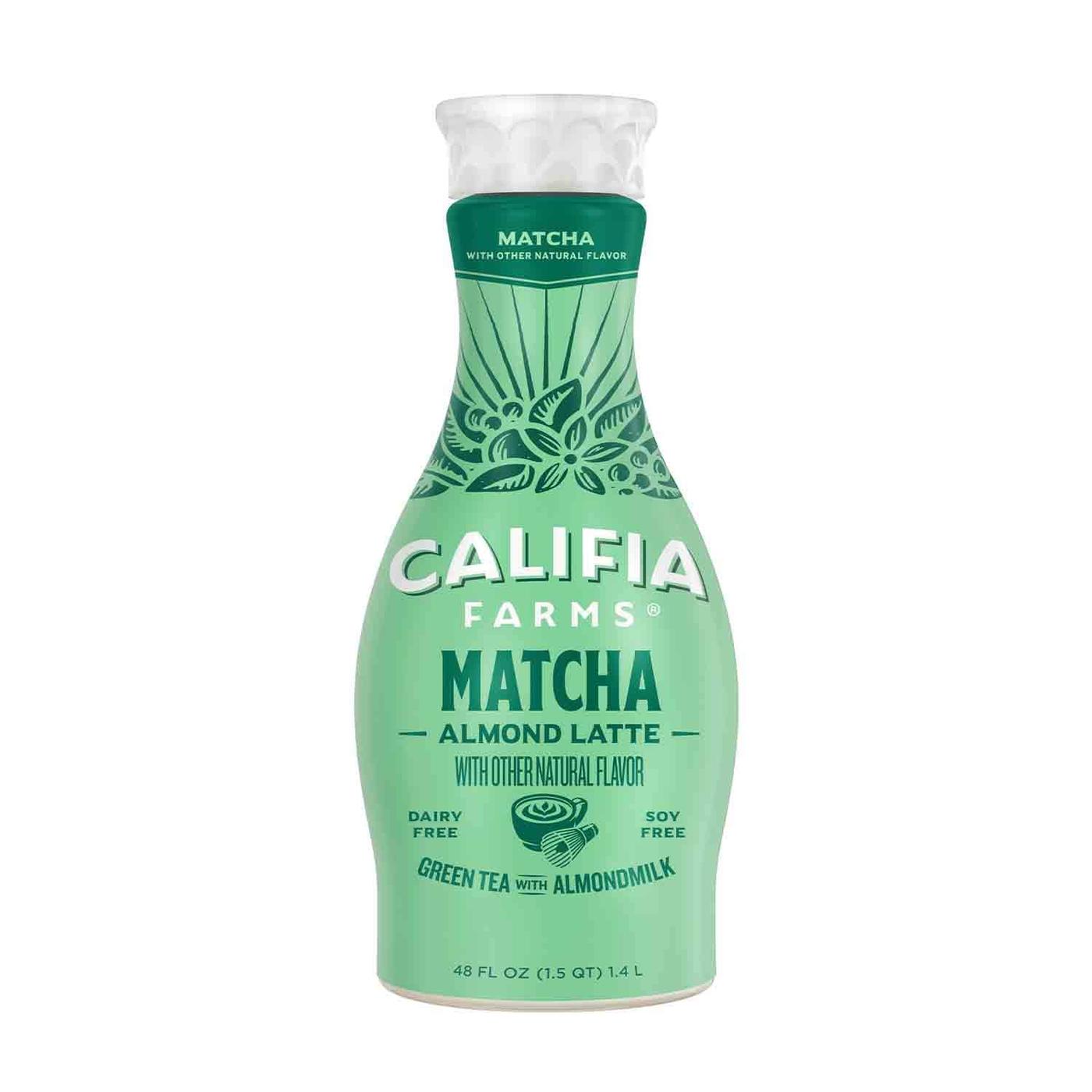
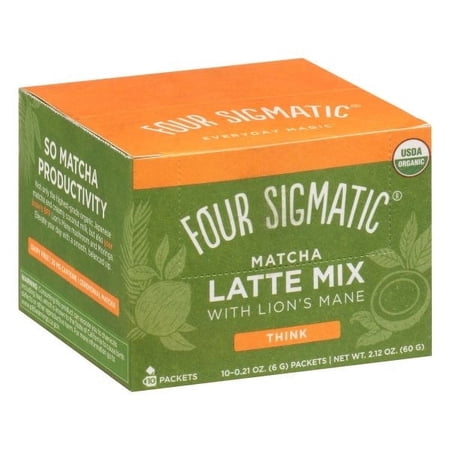

Nutra Organics Collagen Matcha Latte
Analysis updated August 2026 · How Scout scores
At a glance
Summary
This product features beneficial ingredients like matcha green tea and collagen peptides, which contribute to its nutritional profile. However, the presence of powdered sugar, a refined sugar with no nutritional benefits, slightly detracts from its healthiness. The product is moderately processed, which limits its score despite the overall clean ingredient list.
Key ingredients 9
Matcha Green TeaVery Good
Matcha green tea is rich in antioxidants, particularly catechins, which have been linked to numerous health benefits. It provides a calm energy boost due to its combination of caffeine and L-theanine. The powdered form ensures that the whole leaf is consumed, maximizing nutrient intake.
Risks
Excessive consumption of matcha can lead to high caffeine intake, which may cause anxiety or insomnia in sensitive individuals.
Benefits
Matcha is known for its high antioxidant content, which can help reduce inflammation and support heart health.
Almond MilkGood
Almond milk is a plant-based milk alternative that is low in calories and contains no cholesterol. It is often fortified with vitamins and minerals, making it a nutritious choice for those avoiding dairy. Its mild flavor and creamy texture make it a popular choice in beverages.
Risks
Some almond milk products may contain added sugars or thickeners, which can be a concern for those monitoring sugar intake.
Benefits
Almond milk is a good source of vitamin E, which is an antioxidant that helps protect cells from damage.
Collagen PeptidesGood
Collagen peptides are a source of protein that supports skin, joint, and bone health. They are easily digestible and can be absorbed efficiently by the body. Sourced from grass-fed animals, they provide a clean protein option.
Benefits
Collagen peptides support skin elasticity and joint health, making them beneficial for aging populations.
Coconut OilGood
Beneficial ingredient — whole-food or functional value in this product class.
Risks
High saturated fat content may contribute to increased cholesterol levels if consumed in excess.
Benefits
Contains MCTs, which may provide a quick source of energy and support metabolic health.
Maple SyrupGood
Beneficial ingredient — whole-food or functional value in this product class.
Risks
High sugar content can contribute to increased blood sugar levels and should be consumed in moderation.
Benefits
Provides trace amounts of minerals such as manganese and zinc.
Coconut Milk PowderGood
Beneficial ingredient — whole-food or functional value in this product class.
Risks
May contain added sugars or preservatives, which can be a concern for those monitoring sugar intake.
Benefits
Provides a creamy texture and flavor, along with some healthy fats.
Grass-fed ButterGood
Grass-fed butter is a source of healthy fats and fat-soluble vitamins such as A, D, and K2. It contains conjugated linoleic acid (CLA), which has been linked to various health benefits. The grass-fed aspect indicates a higher nutrient profile compared to conventional butter.
Risks
High in saturated fats, which should be consumed in moderation to maintain heart health.
Benefits
Rich in fat-soluble vitamins and CLA, supporting overall health and wellness.
Hot WaterNeutral
Hot water is used as a solvent to dissolve and mix ingredients in beverages. It has no nutritional value but is essential for preparation. It aids in the extraction of flavors and nutrients from other ingredients.
Benefits
Facilitates the preparation and consumption of the beverage.
Powdered SugarBad
Powdered sugar is a refined sugar that is often used for its fine texture in baking and beverages. It is high in calories and offers no nutritional benefits. Excessive consumption can lead to health issues such as obesity and dental problems.
Risks
High sugar content can contribute to obesity, diabetes, and dental issues if consumed in excess.
Processing
Processed Foods
Get the full breakdown in the Scout appTake Scout shopping
Scan any product to see lab results, healthy alternatives, and your personalized analysis.
Download on theApp Store GET IT ONGoogle Play