
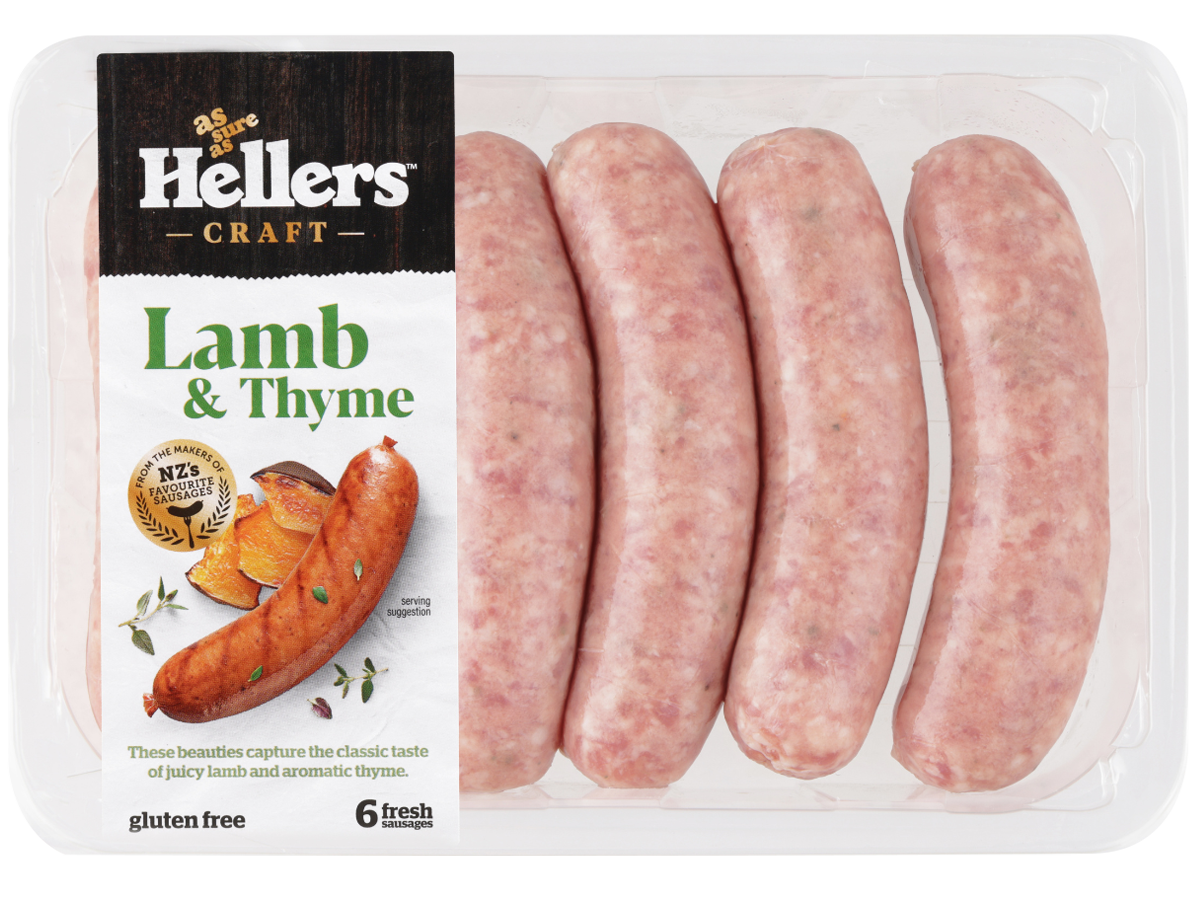


Hellers Lamb Thyme Sausage
Analysis updated August 2026 · How Scout scores
At a glance
Summary
The Lamb Thyme Sausage contains a mix of beneficial and processed ingredients. While lamb provides high-quality protein and thyme adds natural flavor and antioxidants, the inclusion of textured soy protein and a synthetic preservative indicates a higher level of processing. These factors, along with the use of rice flour and mineral salts, contribute to a moderate processing score, limiting the overall healthiness of the product.
Key ingredients 12
LambGood
Lamb is a high-quality source of protein and essential nutrients like iron and vitamin B12. It provides a rich amino acid profile beneficial for muscle maintenance and energy. Grass-fed lamb would be preferable for higher omega-3 content.
Risks
Potential allergen for individuals sensitive to red meat.
Benefits
Rich in protein and essential nutrients, supporting muscle health and energy levels.
ThymeGood
Thyme is a natural herb that adds flavor and contains antioxidants. It may have antimicrobial properties and support digestive health. Fresh or dried, it enhances the culinary profile of dishes.
Benefits
Contains antioxidants and may support digestive health and provide antimicrobial benefits.
Dehydrated OnionGood
Beneficial ingredient — whole-food or functional value in this product class.
Benefits
Adds flavor and contains some antioxidants.
WaterNeutral
Water is used as a processing aid and does not contribute nutritional value. It helps in maintaining moisture content in the product. No significant health impact is associated with water in this context.
See more about Water →Rice FlourNeutral
Rice flour is a gluten-free carbohydrate source used as a binder in processed foods. It provides energy but lacks significant nutritional benefits. It is a suitable alternative for those with gluten intolerance.
Risks
May contribute to increased carbohydrate intake without additional nutritional benefits.
Benefits
Provides a gluten-free carbohydrate source suitable for those with gluten intolerance.
SaltNeutral
Salt is used for flavor enhancement and preservation. It is essential for maintaining electrolyte balance but should be consumed in moderation. Excessive intake can lead to health issues like hypertension.
Risks
Excessive consumption may lead to hypertension and cardiovascular issues.
Benefits
Essential for maintaining electrolyte balance and enhancing flavor.
Mineral SaltNeutral
Mineral salt (451) is used as a firming agent in processed foods. It helps maintain texture and stability. It does not provide significant nutritional benefits beyond sodium content.
Risks
Excessive sodium intake can lead to health issues like hypertension.
Benefits
Helps maintain texture and stability in processed foods.
PepperNeutral
Pepper is a common spice used for flavor enhancement. It contains piperine, which may aid in nutrient absorption. Its impact is primarily culinary with minimal nutritional contribution.
Benefits
May aid in nutrient absorption and enhance flavor.
Dehydrated GarlicNeutral
Dehydrated garlic is used for flavor and may have antimicrobial properties. It loses some nutritional value during processing but still contributes to flavor enhancement. It is a staple in many culinary applications.
Benefits
May have antimicrobial properties and enhances flavor.
Natural Hog CasingNeutral
Natural hog casing is used as a traditional sausage casing. It is a natural product that provides a desirable texture and appearance. It is preferred over synthetic casings for its natural origin.
Benefits
Provides a natural casing option with desirable texture and appearance.
Textured Soy ProteinBad
Textured soy protein is a highly processed plant-based protein with lower bioavailability compared to animal proteins. It may contain anti-nutrients that affect mineral absorption. Often used as a meat extender in processed foods.
Risks
May contain anti-nutrients affecting mineral absorption and potential allergens for those sensitive to soy.
Benefits
Provides a plant-based protein source, though less bioavailable than animal proteins.
PreservativeBad
Preservative (223) is used to extend shelf life and prevent spoilage. It is a synthetic additive that may cause allergic reactions in sensitive individuals. Its use is common in processed foods to maintain freshness.
Risks
May cause allergic reactions or sensitivities in some individuals.
Benefits
Helps extend shelf life and prevent spoilage in processed foods.
Processing
Processed Foods
Get the full breakdown in the Scout appTake Scout shopping
Scan any product to see lab results, healthy alternatives, and your personalized analysis.
Download on theApp Store GET IT ONGoogle Play