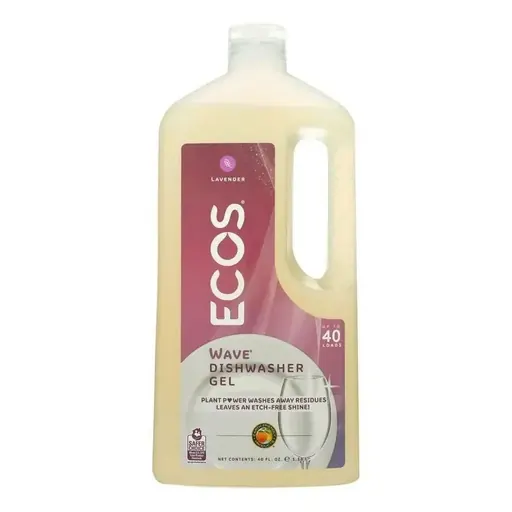
ECOS Dishwasher Gel Free & Clear
At a glance
Summary
This dishwasher gel features a formulation with primarily plant-derived and biodegradable ingredients, such as caprylyl/myristyl glucoside and an enzymatic blend, which enhance cleaning performance without harsh chemicals. The presence of potassium sorbate, a synthetic preservative, slightly detracts from its overall safety profile, but the product remains largely eco-friendly and safe for indoor use.
Key ingredients 8
Enzymatic Blend (Protease, Amylase)Very Good
Enzymatic blends like protease and amylase are used to break down proteins and starches, enhancing cleaning performance. They are biodegradable and effective at removing tough stains. These enzymes are derived from natural sources and are considered safe for use.
Risks
Enzymes can cause mild irritation if inhaled or in contact with skin in concentrated forms.
Benefits
Enzymes significantly improve the cleaning power of detergents, making them effective against a wide range of stains.
Sodium CitrateGood
Sodium citrate is a salt derived from citric acid and is used as a water softener in cleaning products. It helps to prevent mineral deposits on dishes and enhances cleaning efficiency. It is biodegradable and considered safe for use.
Risks
There are minimal risks associated with sodium citrate, though excessive exposure can cause mild irritation.
Benefits
Sodium citrate is effective in softening water, which improves the performance of detergents and reduces spotting on dishes.
Caprylyl/Myristyl GlucosideGood
Caprylyl/myristyl glucoside is a mild, plant-derived surfactant used for its cleaning and foaming properties. It is biodegradable and considered safe for use in eco-friendly products. It effectively removes dirt and grease without harsh chemicals.
Risks
There are minimal risks associated with this ingredient, making it suitable for sensitive environments.
Benefits
This surfactant is effective in cleaning while being gentle on the environment and skin.
WaterNeutral
Water is a common solvent used in many cleaning products. It helps dissolve other ingredients and facilitates the cleaning process. It is generally considered safe and non-toxic.
Risks
There are no significant risks associated with water in cleaning products.
Benefits
Water acts as a carrier for other ingredients, aiding in their distribution and effectiveness.
Citric AcidNeutral
Common acidulant and preservative — safe at typical use levels, neither beneficial nor harmful.
Risks
Citric acid can cause mild skin irritation if not handled properly.
Benefits
Citric acid is effective in removing hard water stains and is a safer alternative to harsher chemicals.
Tetrasodium Glutamate DiacetateNeutral
Tetrasodium glutamate diacetate is a chelating agent used to enhance the effectiveness of preservatives and improve cleaning performance. It is considered safe and biodegradable. It helps to stabilize formulations and improve product shelf life.
Risks
There are minimal risks associated with this ingredient, though it can cause mild irritation in concentrated forms.
Benefits
This ingredient improves the stability and effectiveness of cleaning products without significant environmental impact.
Xanthan GumNeutral
Xanthan gum is a polysaccharide used as a thickening agent in various products, including cleaning solutions. It helps to stabilize and thicken formulations, ensuring even distribution of ingredients. It is generally considered safe and biodegradable.
Risks
Xanthan gum poses minimal risks, though it can cause mild irritation if inhaled in powder form.
Benefits
Xanthan gum enhances the texture and stability of cleaning products, ensuring consistent performance.
Potassium SorbateBad
Synthetic preservative — flagged in daily-use products.
Risks
Potassium sorbate can cause mild irritation in sensitive individuals.
Benefits
This preservative is effective in preventing spoilage, ensuring product longevity and safety.
Get the full breakdown in the Scout appTake Scout shopping
Scan any product to see lab results, healthy alternatives, and your personalized analysis.
Amazon pricing & content
Amazon price as of . Product prices and availability are accurate as of the date/time indicated and are subject to change. Any price and availability information displayed on Amazon.com at the time of purchase will apply to the purchase of this product.
CERTAIN CONTENT THAT APPEARS ON THIS SITE COMES FROM AMAZON. THIS CONTENT IS PROVIDED “AS IS” AND IS SUBJECT TO CHANGE OR REMOVAL AT ANY TIME.