
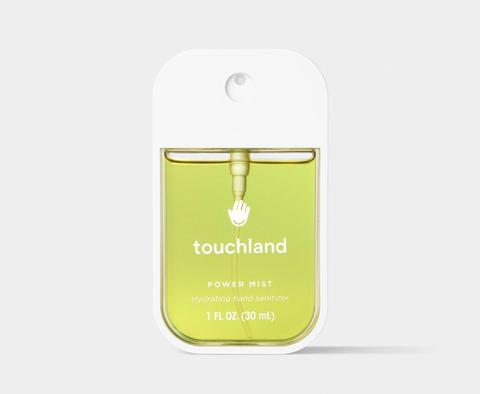
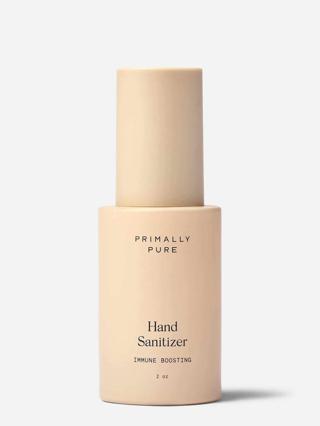
Touchland Power Mist Hydrating Hand Sanitizer
At a glance
Summary
Touchland Power Mist scores 55/100 — better than the drugstore mainstream but compromised by fragrance and propylene glycol family ingredients. Strong points: 67% ethyl alcohol active, glycerin and aloe to counter dryness, and a hyaluronic-acid hydration system. Concerns: synthetic fragrance (the brand's hallmark), phenoxyethanol preservative, hexylene glycol (a propylene glycol-family solvent), and microplastic-class polymers. Touchland markets heavily as 'clean' but the ingredient list reveals it sits in the upper-mid tier rather than truly clean. Notably parabens-free and propylene-glycol-free in the strict sense.
Key ingredients 15
Ethyl Alcohol (67%)Good
Active sanitizing agent at effective CDC-recommended concentration. Pharmaceutical grade.
See more about Ethyl Alcohol (67%) →GlycerinGood
Humectant that draws water into the skin; offsets alcohol's drying effect. Safe, well-tolerated, and biodegradable.
See more about Glycerin →Aloe Barbadensis Leaf ExtractGood
Soothing botanical extract that helps offset the drying effect of alcohol-based sanitizers.
See more about Aloe Barbadensis Leaf Extract →Sodium PCAGood
Component of skin's natural moisturizing factor; effective humectant.
See more about Sodium PCA →Tocopheryl Acetate (Vitamin E)Good
Synthetic Vitamin E ester used as an antioxidant and skin-conditioner.
See more about Tocopheryl Acetate (Vitamin E) →WaterNeutral
Solvent base. Inert and necessary for formulation.
See more about Water →Tetrahydroxypropyl EthylenediamineNeutral
Synthetic pH adjuster/chelator. Inert in finished formula.
See more about Tetrahydroxypropyl Ethylenediamine →CarbomerNeutral
Synthetic polymer used as a thickener/gel-former. Inert and not absorbed through skin.
See more about Carbomer →Caprylyl GlycolNeutral
Synthetic preservative-booster and skin-conditioner derived from caprylic acid. Generally well-tolerated.
See more about Caprylyl Glycol →Sodium Benzoate
Synthetic preservative. Can form trace benzene when combined with vitamin C/citric acid in storage, though levels are typically well within safety limits.
See more about Sodium Benzoate →Phenoxyethanol
Synthetic preservative considered safer than parabens but linked to skin irritation in some users at higher concentrations. EU caps at 1%.
See more about Phenoxyethanol →Sodium LactateNeutral
Standard formulation ingredient — neither beneficial nor harmful at typical use.
See more about Sodium Lactate →Citric AcidNeutral
pH adjuster derived from citrus.
See more about Citric Acid →Hexylene GlycolBad
Propylene glycol family solvent/penetration enhancer. Common contact-allergen and can dry skin with repeated exposure.
See more about Hexylene Glycol →Fragrance (Parfum)Very Bad
Undisclosed fragrance blend — can contain dozens of unlisted synthetic chemicals including phthalates and known allergens. A major contributor to contact dermatitis and one of the most common reasons hand sanitizers irritate sensitive skin.
See more about Fragrance (Parfum) →Get the full breakdown in the Scout appTake Scout shopping
Scan any product to see lab results, healthy alternatives, and your personalized analysis.
Download on theApp Store GET IT ONGoogle PlayAmazon pricing & content
Amazon price as of . Product prices and availability are accurate as of the date/time indicated and are subject to change. Any price and availability information displayed on Amazon.com at the time of purchase will apply to the purchase of this product.
CERTAIN CONTENT THAT APPEARS ON THIS SITE COMES FROM AMAZON. THIS CONTENT IS PROVIDED “AS IS” AND IS SUBJECT TO CHANGE OR REMOVAL AT ANY TIME.