
Ingredient
Modified plant fat (EPG)
What is Modified plant fat (EPG)?
Modified plant fat, often referred to as EPG, is a type of fat that has been chemically altered. This modification process can involve altering the fat's structure to mimic properties of other fats while reducing calories.
This ingredient is used in food products to provide a creamy texture without the same calorie content as traditional fats. While it aims to reduce calorie intake, concerns may arise regarding its long-term health impacts, as there is limited research on its effects in the human diet.
When you see modified plant fat on a label, it's typically included to offer a full-fat taste experience while reducing overall caloric content. It's important to consider both the benefits and any potential unknowns related to its consumption.
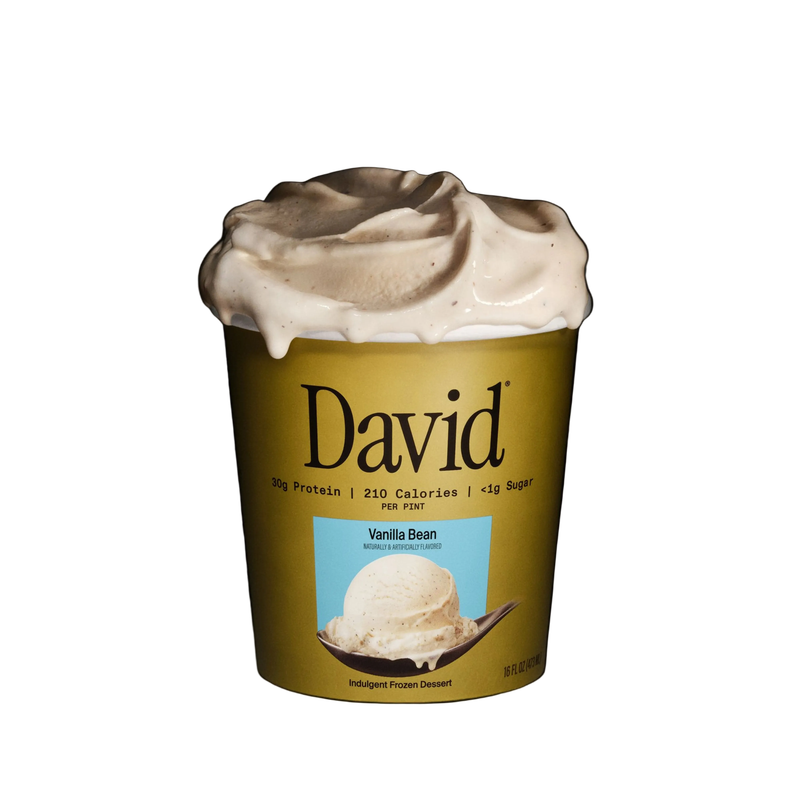
Commonly found in: Ice Cream, Low-Calorie Snacks, Baked Goods, Dairy Alternatives
What to watch
- There is limited research on long-term health impacts.
Benefits
- It reduces calorie content compared to traditional fats.
Modified fats like EPG are subject to FDA approval, which requires safety and efficacy standards similar to other novel ingredients.
Current studies suggest calorie reduction benefits, but there is a lack of comprehensive research on long-term health effects.
As it originates from plant sources, EPG is generally considered vegan.
Sources: GRAS Notification for EPG · Safety Assessment of Modified Plant Oils
Scout's take
Synthetic fat replacer; not dairy milkfat required for ice cream.
More from Scout's analyses
Synthetic esterified-propoxylated-glycerol fat replacer; olestra-like, largely non-absorbable.
from the analysis of David Cookie Dough Indulgent Frozen DessertFound in 4 products


Scan any product to see every ingredient explained — and healthier swaps.
Download on theApp Store GET IT ONGoogle Play