
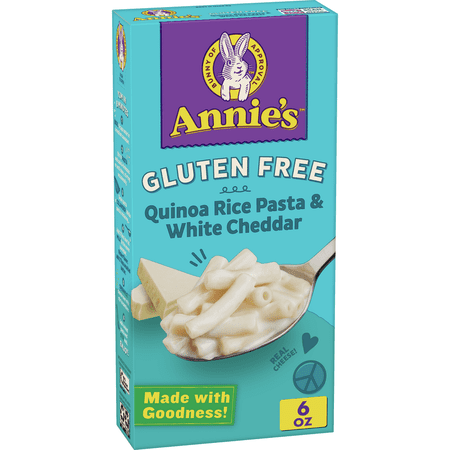


Annie's Homegrown Gluten Free Quinoa Rice Pasta & White Cheddar
Analysis updated April 2026 · How Scout scores
At a glance
Summary
This product contains beneficial ingredients like quinoa flour and whey, which provide high-quality protein and essential nutrients. However, it is classified as ultra-processed due to the inclusion of sodium phosphate and other additives, which can affect mineral balance and overall health. The processing level and presence of synthetic additives limit its score despite the presence of some nutritious components.
Key ingredients 9
Quinoa flourVery Good
Quinoa flour is a high-quality source of plant-based protein and essential amino acids. It is minimally processed and retains its nutritional profile, including fiber and micronutrients. Compared to refined flours, quinoa flour offers superior nutritional benefits.
Benefits
Rich in protein, fiber, and essential amino acids, supporting muscle health and digestion.
Dried cheddar cheeseGood
Dried cheddar cheese is a concentrated source of calcium and protein. It is made from cultured pasteurized milk, which retains essential nutrients. The drying process helps preserve the cheese while maintaining its nutritional value.
Risks
Contains lactose, which may cause digestive issues for lactose-intolerant individuals.
Benefits
Rich in calcium and protein, supporting bone health and muscle maintenance.
White rice flourNeutral
White rice flour is a common gluten-free alternative used in pasta products. It is processed to remove the bran and germ, resulting in a lower fiber content. While it provides carbohydrates, it lacks the nutritional density of whole grain flours.
Risks
May contribute to rapid blood sugar spikes due to its high glycemic index.
Benefits
Provides a gluten-free carbohydrate source suitable for those with gluten intolerance.
WheyNeutral
Liquid whey as a minor dairy ingredient — benign.
Risks
May cause allergic reactions in individuals with dairy allergies.
Benefits
Supports muscle growth and repair due to its rich amino acid content.
ButterNeutral
Butter is a dairy product made from cream, providing saturated fats and fat-soluble vitamins. It is minimally processed but should be consumed in moderation due to its high saturated fat content. Compared to margarine, butter is free from trans fats.
Risks
High in saturated fats, which may contribute to heart disease if consumed in excess.
Benefits
Contains fat-soluble vitamins such as vitamin A and D, supporting immune function and bone health.
Nonfat milkNeutral
Nonfat milk is a dairy product with the fat removed, providing protein and calcium without the added calories from fat. It is pasteurized to ensure safety and retain nutrients. Compared to whole milk, it offers a lower-calorie option with similar nutritional benefits.
Benefits
Provides protein and calcium, supporting bone health and muscle maintenance.
SaltNeutral
Salt is used as a seasoning and preservative in food products. It is minimally processed and essential for maintaining electrolyte balance in the body. However, excessive consumption can lead to health issues.
Risks
High sodium intake may increase the risk of hypertension and cardiovascular disease.
Benefits
Essential for maintaining fluid balance and nerve function.
Silicon dioxideNeutral
Silicon dioxide is used as an anti-caking agent to prevent clumping in powdered foods. It is a naturally occurring compound that is generally recognized as safe. Compared to other anti-caking agents, it is considered inert and non-reactive.
Benefits
Helps maintain the free-flowing nature of powdered products.
Sodium phosphateBad
Sodium phosphate is used as an emulsifier and stabilizer in processed foods. It is a synthetic additive that can affect mineral balance in the body. Compared to natural emulsifiers, it may pose health risks when consumed in large amounts.
Risks
Linked to potential kidney stress and mineral imbalances when consumed excessively.
Processing
Ultra-Processed Foods
Get the full breakdown in the Scout appTake Scout shopping
Scan any product to see lab results, healthy alternatives, and your personalized analysis.
Download on theApp Store GET IT ONGoogle Play