
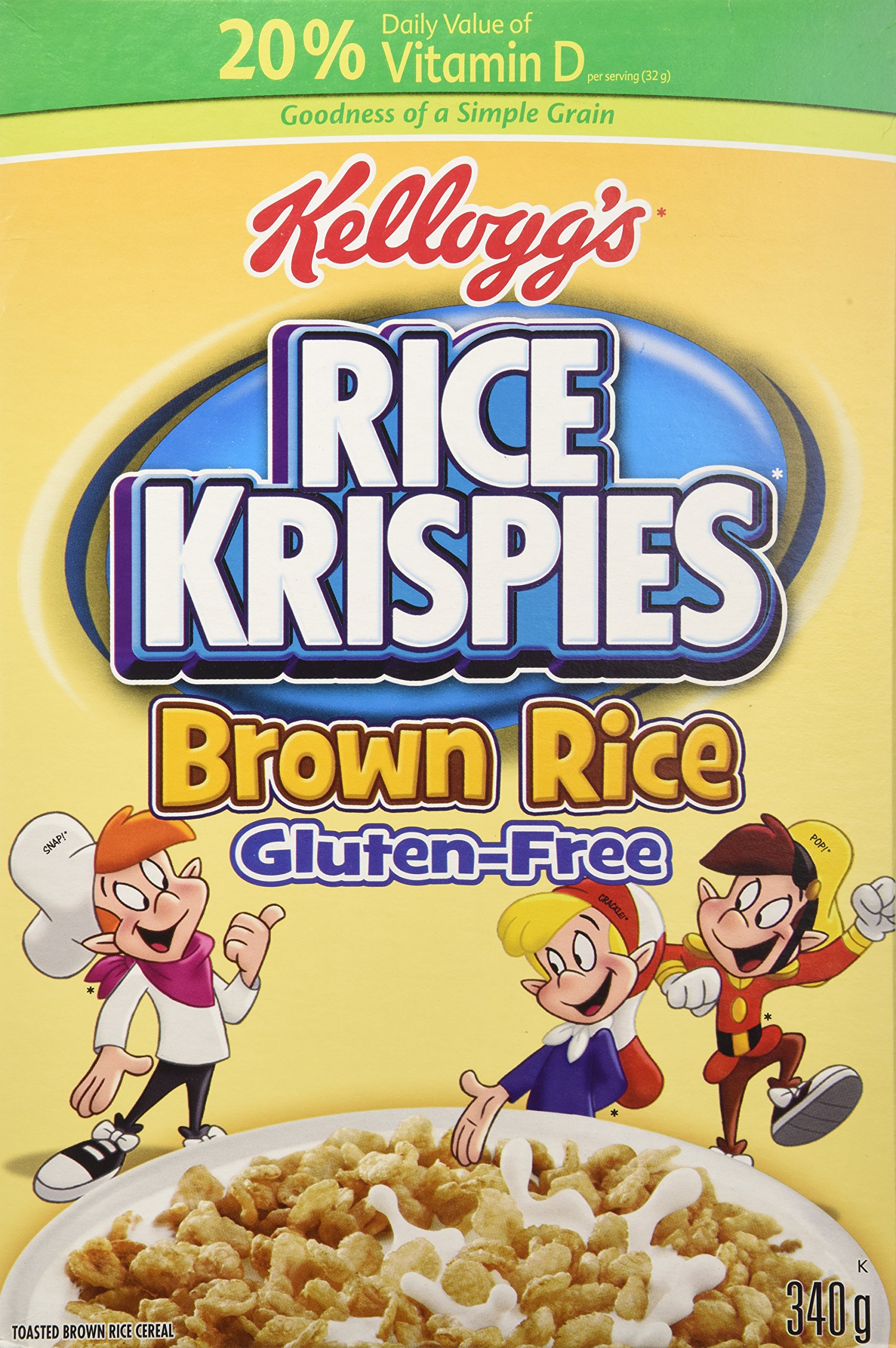



Kellogg's Rice Krispies Cereal Brown Rice Whole Grain 1oz
Analysis updated May 2026 · How Scout scores
At a glance
Summary
This cereal is primarily made from whole grain brown rice, which is a beneficial ingredient providing fiber and essential nutrients. However, it contains added sugar, which is a refined carbohydrate that can contribute to health issues if consumed in excess. The product is moderately processed, which limits its score despite the presence of several fortified vitamins and minerals that enhance its nutritional profile.
Key ingredients 14
Whole grain brown riceGood
Whole grain brown rice is a minimally processed grain that retains its bran and germ, providing fiber and essential nutrients. It is a good source of complex carbohydrates and has a low glycemic index, which helps in maintaining stable blood sugar levels. The presence of fiber aids in digestion and promotes a feeling of fullness.
Benefits
Rich in fiber and essential nutrients, supporting digestive health and providing sustained energy.
IronGood
Iron is a vital mineral necessary for the production of hemoglobin, which carries oxygen in the blood. It supports energy metabolism and is crucial for growth and development. Fortification in cereals helps prevent iron deficiency, especially in populations at risk.
Risks
Excessive iron intake can lead to toxicity, but this is rare from dietary sources alone.
Benefits
Supports oxygen transport in the blood and is essential for energy production and immune function.
Vitamin C (ascorbic acid)Good
Vitamin C is an essential nutrient that acts as an antioxidant, protecting cells from damage. It is important for the synthesis of collagen, absorption of iron, and maintenance of the immune system. Fortification helps ensure adequate intake, especially in diets lacking fresh fruits and vegetables.
Benefits
Enhances iron absorption and supports immune function and skin health.
Vitamin E (alpha tocopherol acetate)Good
Vitamin E is a fat-soluble antioxidant that protects cell membranes from oxidative damage. It supports immune function and skin health. Fortification in cereals helps meet daily requirements, especially in diets low in nuts and seeds.
Risks
Excessive intake from supplements can lead to bleeding risks, but this is unlikely from fortified foods alone.
Benefits
Protects cells from oxidative stress and supports immune and skin health.
NiacinamideGood
Niacinamide, a form of vitamin B3, is essential for energy metabolism and DNA repair. It supports skin health and can improve cholesterol levels. Fortification ensures adequate intake, particularly in populations with limited dietary diversity.
Benefits
Supports energy production and skin health, and may improve cholesterol levels.
Vitamin B6 (pyridoxine hydrochloride)Good
Vitamin B6 is essential for protein metabolism, cognitive development, and immune function. It plays a role in the production of neurotransmitters and hemoglobin. Fortification helps ensure adequate intake, especially in diets low in animal products.
Benefits
Supports protein metabolism, cognitive function, and immune health.
Vitamin B2 (riboflavin)Good
Vitamin B2, or riboflavin, is important for energy production and the metabolism of fats, drugs, and steroids. It also supports skin and eye health. Fortification helps prevent deficiency, particularly in populations with limited dietary diversity.
Benefits
Supports energy production and skin and eye health.
Vitamin B1 (thiamin hydrochloride)Good
Vitamin B1, or thiamin, is essential for energy metabolism and nerve function. It plays a critical role in the conversion of carbohydrates into energy. Fortification helps ensure adequate intake, especially in diets high in refined grains.
Benefits
Supports energy metabolism and nerve function.
Vitamin DGood
Vitamin D is essential for calcium absorption and bone health. It supports immune function and may reduce the risk of chronic diseases. Fortification helps ensure adequate intake, especially in populations with limited sun exposure.
Risks
Excessive intake can lead to toxicity, but this is rare from fortified foods alone.
Benefits
Supports bone health and immune function.
Vitamin B12Good
Vitamin B12 is crucial for nerve function, red blood cell formation, and DNA synthesis. It is primarily found in animal products, making fortification important for vegetarians and vegans. Adequate intake prevents anemia and supports cognitive health.
Benefits
Supports nerve function and red blood cell formation.
SaltNeutral
Salt is used to enhance flavor and preserve food, but excessive intake can lead to health issues such as hypertension. It is important to consume salt in moderation to maintain electrolyte balance and support nerve function. The small amount in this product is unlikely to pose significant health risks.
Risks
Excessive salt intake can contribute to high blood pressure and cardiovascular disease.
Benefits
Essential for maintaining fluid balance and nerve function when consumed in appropriate amounts.
Vitamin A palmitateNeutral
Standard formulation ingredient — neither beneficial nor harmful at typical use.
Risks
Excessive intake can lead to toxicity, but this is rare from fortified foods alone.
Benefits
Supports vision, immune function, and skin health.
Folic acidNeutral
Standard formulation ingredient — neither beneficial nor harmful at typical use.
Risks
Excessive intake can mask vitamin B12 deficiency, but this is rare from fortified foods alone.
Benefits
Supports DNA synthesis and cell division, and prevents neural tube defects.
SugarBad
Sugar is a refined carbohydrate that provides quick energy but lacks essential nutrients. Excessive consumption can lead to health issues such as obesity, type 2 diabetes, and dental cavities. It is often added to processed foods to enhance flavor, which can contribute to overconsumption.
Risks
High intake of sugar is associated with increased risk of obesity, type 2 diabetes, and dental problems.
Processing
Processed Foods
Get the full breakdown in the Scout appTake Scout shopping
Scan any product to see lab results, healthy alternatives, and your personalized analysis.
Download on theApp Store GET IT ONGoogle Play