


Chicken Spring Rolls
Near you
Trader Joe's is carried at Trader Joe stores. Find one within 25 miles.
Summary
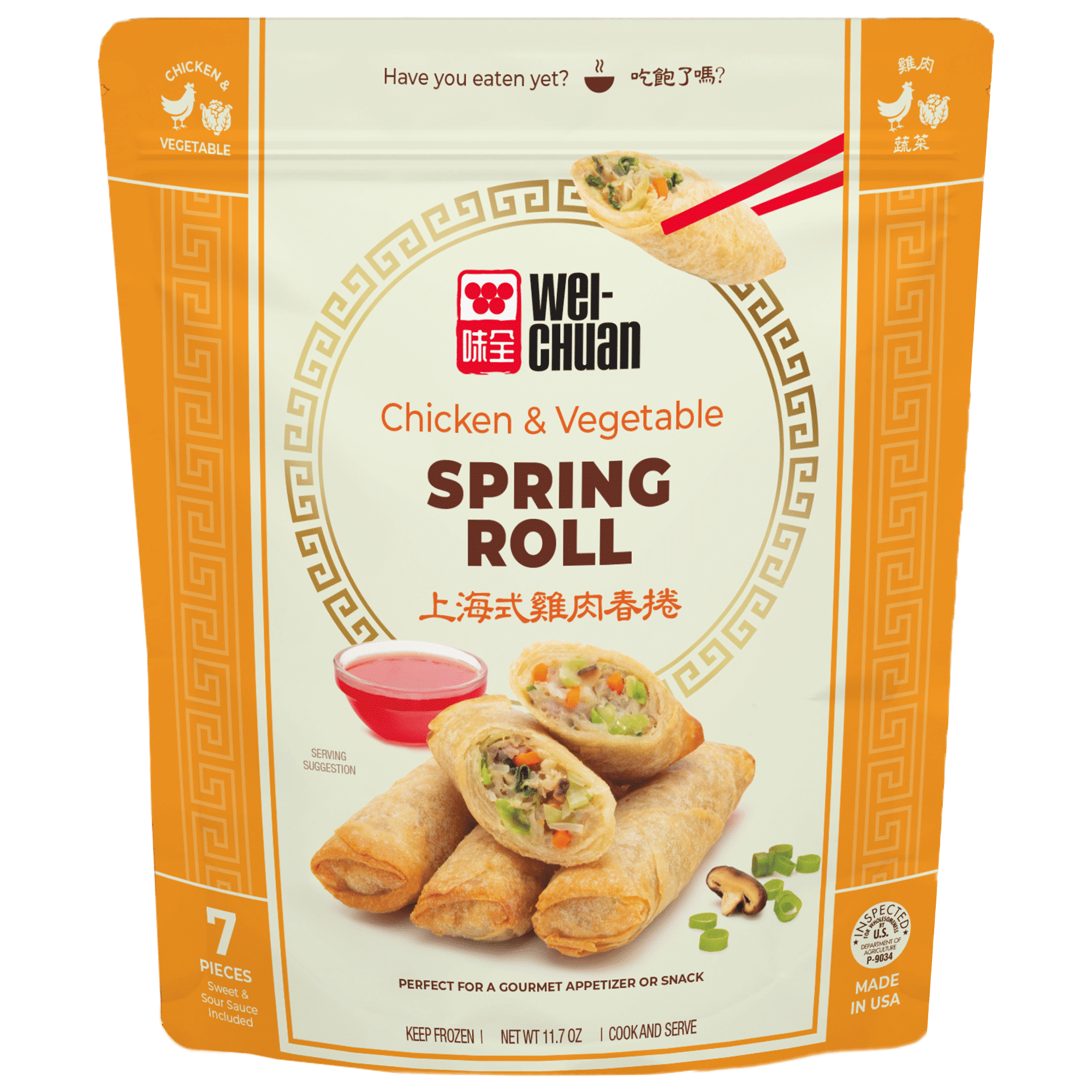
The chicken spring rolls contain beneficial ingredients like white meat chicken and a variety of vegetables, which provide essential nutrients and antioxidants. However, the presence of soybean oil and corn syrup solids, both highly processed ingredients, along with the overall high level of processing, significantly impacts the healthiness of the product. Additionally, the use of refined sugar and the presence of an additive contribute to a lower score, despite the good nutritional profile of some ingredients.
At a glance
Key ingredients 19
White meat chickenVery Good
High-quality protein source with a complete amino acid profile. Supports muscle growth and repair. Generally low in fat and calories, making it a healthy choice.
Benefits
Rich in protein, which is essential for muscle repair and growth. Provides important vitamins and minerals such as B vitamins and selenium.
Green cabbageGood
Nutrient-dense vegetable high in vitamins C and K. Contains antioxidants that may reduce inflammation. Low in calories and high in fiber, promoting digestive health.
Benefits
Supports immune function and bone health due to its high vitamin content. Fiber content aids in digestion and promotes a healthy gut.
Napa cabbageGood
Leafy vegetable rich in vitamins and minerals. Contains antioxidants that support overall health. Low in calories and high in water content, aiding hydration.
Benefits
Provides essential nutrients like vitamin C and folate. Supports hydration and may aid in weight management due to its low calorie content.
CarrotGood
Root vegetable high in beta-carotene, which the body converts to vitamin A. Supports eye health and immune function. Contains fiber, promoting digestive health.
Benefits
Rich in antioxidants that may reduce the risk of chronic diseases. Supports vision and skin health due to its high vitamin A content.
Green onionGood
Flavorful vegetable that adds nutrients and antioxidants to dishes. Contains vitamins A, C, and K. May have anti-inflammatory properties.
Benefits
Supports immune function and bone health. Adds flavor without significant calories.
Soybean oilVery Bad
Seed oil high in omega-6 fatty acids, which can promote inflammation. Often highly processed and refined. May contribute to an imbalance in omega-3 to omega-6 ratio.
Risks
High omega-6 content may promote inflammation when consumed in excess. Processing methods may involve chemical solvents.
Corn syrup solidsBad
Highly processed sweetener derived from corn. Contributes to added sugars in the diet. May lead to increased risk of obesity and metabolic disorders.
Risks
Excessive consumption can lead to weight gain and increased risk of type 2 diabetes.
SugarBad
Refined sugar that contributes to added sugars in the diet. Excessive intake can lead to health issues such as obesity and dental cavities. Provides empty calories with no essential nutrients.
Risks
High consumption can increase the risk of obesity, type 2 diabetes, and heart disease.
BasilGood
Herb with antioxidant properties that may support health. Contains essential oils that have anti-inflammatory effects. Adds flavor and aroma to dishes.
Benefits
May support immune function and reduce inflammation. Enhances flavor without adding calories.
GarlicGood
Herb known for its potential health benefits, including cardiovascular support. Contains allicin, which has antimicrobial properties. May help lower cholesterol and blood pressure.
Benefits
Supports heart health and may boost immune function. Adds flavor and nutritional value to dishes.
GingerGood
Spice with anti-inflammatory and antioxidant properties. May aid digestion and reduce nausea. Contains bioactive compounds that support overall health.
Benefits
May help reduce inflammation and support digestive health. Adds flavor and potential health benefits to dishes.
Sesame oilGood
Oil rich in monounsaturated and polyunsaturated fats. Contains antioxidants like sesamol and sesamin. May support heart health and reduce inflammation.
Benefits
Supports heart health and provides anti-inflammatory properties. Adds flavor and nutritional value to dishes.
CornstarchNeutral
Common thickening agent used in cooking. Provides texture without significant nutritional value. Generally considered safe when used in moderation.
See more about Cornstarch →Soy sauce powderNeutral
Flavor enhancer made from fermented soybeans, wheat, and salt. Adds umami flavor to dishes. Contains sodium, which should be consumed in moderation.
Risks
High sodium content may contribute to increased blood pressure if consumed in excess.
Benefits
Adds flavor and depth to dishes without significant calories.
SaltNeutral
Common seasoning used to enhance flavor. Essential for maintaining fluid balance and nerve function. Should be consumed in moderation to avoid health issues.
Risks
Excessive intake can lead to high blood pressure and cardiovascular issues.
Benefits
Essential for maintaining electrolyte balance and proper muscle function.
Rice wineNeutral
Fermented alcoholic beverage used for flavoring. Adds depth and complexity to dishes. Contains alcohol, which should be consumed in moderation.
Risks
Contains alcohol, which may not be suitable for all individuals.
Benefits
Enhances flavor and aroma in culinary applications.
Chili pasteGood
Spicy condiment made from red chili peppers. Adds heat and flavor to dishes. Contains capsaicin, which may have anti-inflammatory properties.
Benefits
May support metabolism and provide antioxidant benefits. Enhances flavor and heat in dishes.
Wheat flourNeutral
Common ingredient used in baking and cooking. Provides structure and texture to foods. Contains gluten, which may not be suitable for individuals with celiac disease.
Risks
Contains gluten, which can cause adverse reactions in individuals with celiac disease or gluten sensitivity.
Benefits
Provides carbohydrates and some protein, contributing to energy intake.
WaterNeutral
Essential for hydration and various bodily functions. Used as a solvent and ingredient in many food products. Generally considered safe and beneficial.
Benefits
Essential for maintaining hydration and supporting bodily functions.
Processing
Ultra-Processed Foods
Get the full breakdown in the Scout app
Scan any product to see lab results, healthy alternatives, and your personalized analysis.
Download on theApp Store