



At a glance
Summary
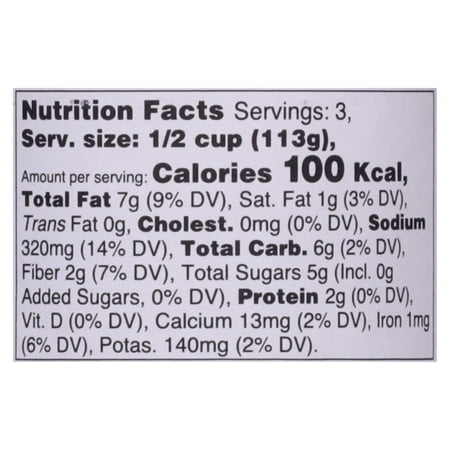
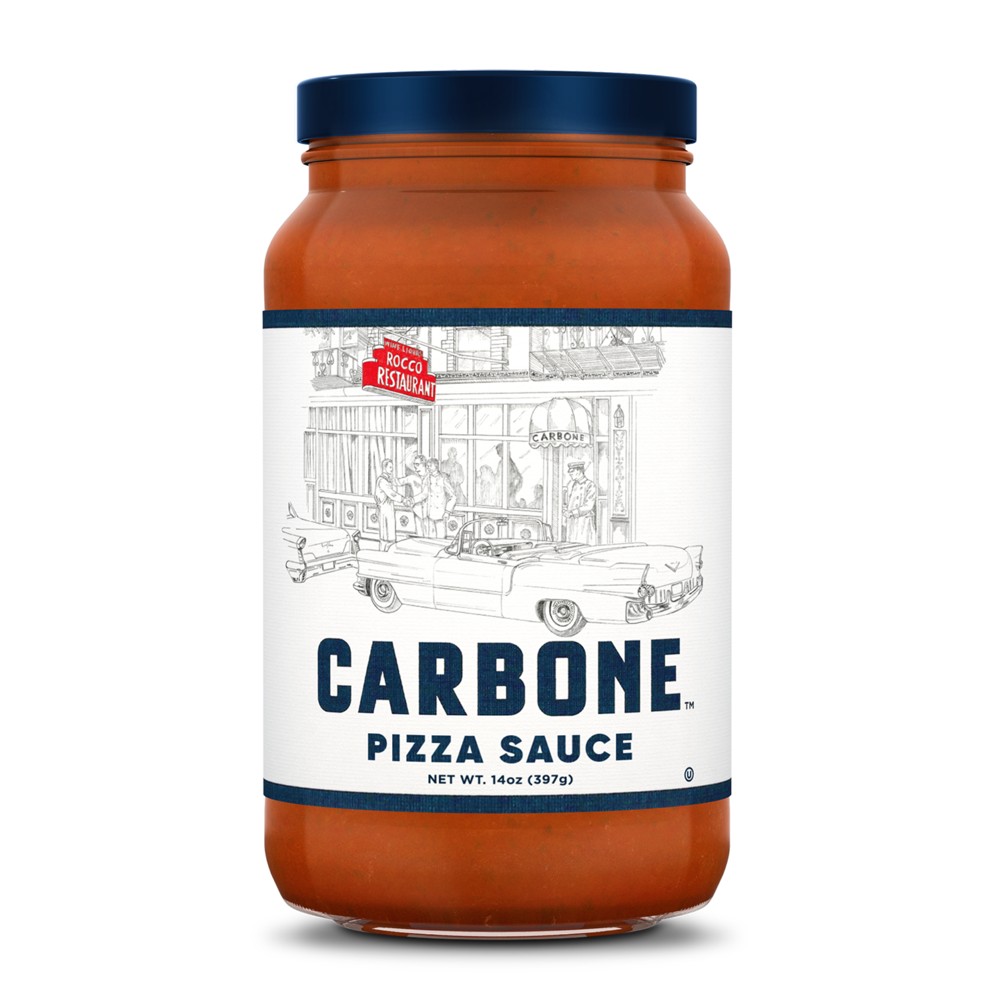
This pizza sauce features a clean ingredient list with a high percentage of tomatoes and beneficial additions like extra virgin olive oil and basil, which contribute to its nutritional value. The presence of refined sugar is a minor concern, but the overall processing level is moderate, allowing the product to retain many of its natural nutrients. The minimal use of additives and the absence of harmful oils or artificial ingredients further support a favorable score.
Key ingredients 10
TomatoesVery Good
Tomatoes are a rich source of vitamins and antioxidants, particularly lycopene. They are minimally processed and retain most of their nutritional value. Consuming tomatoes can support heart health and reduce inflammation.
Benefits
Rich in vitamins C and K, and antioxidants like lycopene, which may reduce the risk of chronic diseases.
Extra virgin olive oilVery Good
High-quality monounsaturated fat with anti-inflammatory properties. Contains antioxidants that support heart health. Cold-pressed extraction preserves beneficial compounds.
Benefits
Rich in monounsaturated fats that support heart health and provide anti-inflammatory properties. Contains antioxidants like vitamin E and polyphenols that may reduce oxidative stress.
Tomato pasteGood
Tomato paste is concentrated and provides a higher dose of nutrients like lycopene. It is made by cooking tomatoes for a long time, reducing water content. This process enhances the bioavailability of certain nutrients.
Benefits
Provides concentrated nutrients and antioxidants, supporting heart health and reducing inflammation.
CarrotsGood
Carrots are a good source of beta-carotene, fiber, and vitamins. They are minimally processed and retain their nutritional benefits. Consuming carrots can improve eye health and boost the immune system.
Benefits
Rich in beta-carotene, which is converted to vitamin A in the body, supporting vision and immune function.
Sundried tomatoesGood
Sundried tomatoes are rich in antioxidants and have a concentrated flavor. They are made by drying tomatoes, which preserves nutrients. This process enhances the flavor and nutrient density.
Benefits
High in antioxidants and vitamins, supporting overall health and providing a rich flavor.
OnionsGood
Onions are a good source of vitamins, minerals, and antioxidants. They are minimally processed and add flavor and nutrients to dishes. Onions have anti-inflammatory and immune-boosting properties.
Benefits
Contains antioxidants and compounds that may reduce inflammation and support heart health.
Sea saltGood
Sea salt is a natural source of sodium and trace minerals. It is minimally processed compared to refined table salt. Provides essential electrolytes that support hydration and nerve function.
Risks
Excessive sodium intake can lead to high blood pressure and cardiovascular issues.
Benefits
Contains trace minerals that support overall health and provide essential electrolytes.
BasilGood
Basil is an herb rich in antioxidants and essential oils. It is minimally processed and adds flavor and nutrients to dishes. Basil has anti-inflammatory and antibacterial properties.
Benefits
Contains antioxidants and essential oils that may support immune function and reduce inflammation.
Citric acidNeutral
Citric acid is used as an acidity regulator and preservative. It is naturally found in citrus fruits and is generally recognized as safe. It helps maintain the stability and flavor of the product.
Benefits
Helps preserve the product and maintain its flavor without significant health impacts.
SugarBad
Refined sugar provides empty calories and can contribute to health issues like obesity and diabetes. It is highly processed and lacks nutritional benefits. Excessive consumption can lead to metabolic disorders.
Risks
High intake of refined sugar can increase the risk of obesity, type 2 diabetes, and heart disease.
Processing
Processed Foods
Get the full breakdown in the Scout appTake Scout shopping
Scan any product to see lab results, healthy alternatives, and your personalized analysis.
Download on theApp Store GET IT ONGoogle Play