





At a glance
Summary
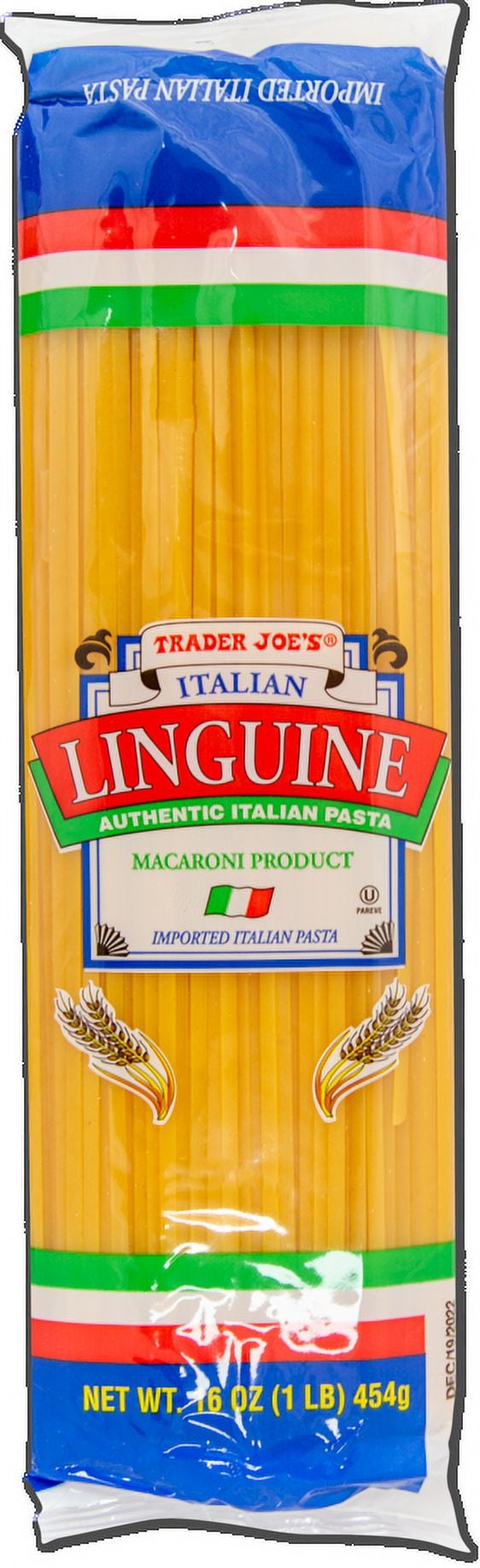
This pasta product is made primarily from durum wheat semolina, which is a high-quality ingredient providing good protein and fiber content. The ingredient list is short and free from harmful additives, artificial colors, or seed oils, contributing to its clean label. Although it is processed, the absence of negative ingredients allows it to achieve a high score within the constraints of its processing level.
Key ingredients 6
NiacinGood
Beneficial ingredient — whole-food or functional value in this product class.
Benefits
Supports energy production and helps maintain healthy skin and nerves.
RiboflavinGood
Essential B vitamin — beneficial micronutrient.
Benefits
Supports energy production and helps maintain healthy skin and eyes.
Durum Wheat SemolinaNeutral
Standard formulation ingredient — neither beneficial nor harmful at typical use.
Risks
Contains gluten, which may cause issues for individuals with celiac disease or gluten sensitivity.
Benefits
Provides a good source of complex carbohydrates and protein, supporting energy levels and muscle maintenance.
Ferrous LactateNeutral
Ferrous lactate is an iron supplement used to fortify foods and prevent iron deficiency. It is a common additive in processed foods to enhance their nutritional value. Iron is crucial for oxygen transport in the blood.
Risks
Excessive iron intake can lead to toxicity, but this is unlikely from typical consumption levels in fortified foods.
Benefits
Helps prevent iron deficiency anemia and supports healthy blood oxygen levels.
Thiamine MononitrateNeutral
Thiamine mononitrate is a synthetic form of vitamin B1 used to fortify foods. It is added to replace nutrients lost during the processing of grains. Thiamine is essential for carbohydrate metabolism and nerve function.
Benefits
Supports energy metabolism and proper nerve function.
Folic AcidNeutral
Folic acid is a synthetic form of vitamin B9 used to fortify foods and prevent deficiencies. It is crucial for DNA synthesis and cell division, making it especially important during periods of rapid growth. This fortification helps prevent neural tube defects in developing fetuses.
Risks
Excessive intake can mask vitamin B12 deficiency, but this is unlikely from typical consumption levels in fortified foods.
Benefits
Essential for DNA synthesis and cell division, and helps prevent neural tube defects during pregnancy.
Processing
Processed Foods
Get the full breakdown in the Scout appTake Scout shopping
Scan any product to see lab results, healthy alternatives, and your personalized analysis.
Download on theApp Store GET IT ONGoogle Play