




At a glance
Summary
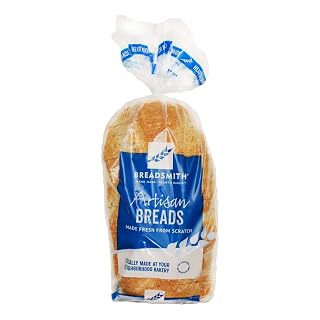
The French Loaf is a processed food with a relatively clean ingredient list, featuring unbleached wheat flour, malted barley flour, and sea salt. It avoids harmful additives like high-fructose corn syrup and artificial preservatives, which is positive. However, its processing level limits its score, and the presence of enriched flour components slightly detracts from its overall healthiness.
Key ingredients 11
NiacinGood
Beneficial ingredient — whole-food or functional value in this product class.
Benefits
Supports energy metabolism and contributes to maintaining healthy skin.
RiboflavinGood
Essential B vitamin — beneficial micronutrient.
Benefits
Supports energy production and cellular function.
Sea saltGood
Unrefined sea salt — a minimally processed, natural source of sodium and essential trace minerals, and a legitimate whole-food seasoning. Treated as a positive ingredient.
Risks
Excessive sodium intake can lead to high blood pressure and cardiovascular issues.
Benefits
Enhances flavor and contains trace minerals.
Unbleached unbromated wheat flourNeutral
Unbleached unbromated wheat flour is a staple ingredient in bread-making, providing structure and texture. It is less processed than bleached flour, retaining more nutrients. However, it is still a refined flour lacking the fiber and nutrients found in whole grain alternatives.
Risks
Refined flour can contribute to blood sugar spikes and lacks the fiber of whole grains.
Benefits
Provides essential carbohydrates for energy and is a key component in traditional bread recipes.
Malted barley flourNeutral
Malted barley flour is used to enhance flavor and improve the fermentation process in bread. It contains enzymes that help break down starches into sugars, aiding yeast activity. While it adds flavor, it does not significantly contribute to the nutritional profile of the bread.
Benefits
Enhances flavor and aids in the fermentation process, improving bread texture.
Iron (reduced)Neutral
Reduced iron is added to fortify the flour, helping to prevent iron deficiency anemia. It is a common fortification practice in refined flours. While beneficial for preventing deficiencies, it does not provide the same absorption benefits as iron from animal sources.
Risks
Excessive iron intake can lead to toxicity, but this is unlikely from fortified bread alone.
Benefits
Helps prevent iron deficiency anemia by contributing to daily iron intake.
Thiamine mononitrateNeutral
Thiamine mononitrate is a form of vitamin B1 added to enrich flour. It is essential for carbohydrate metabolism and nerve function. The enrichment process restores nutrients lost during flour refining.
Benefits
Supports carbohydrate metabolism and nerve function.
Folic acidNeutral
Folic acid is a synthetic form of vitamin B9 used to fortify flour, crucial for DNA synthesis and cell division. It is particularly important for pregnant women to prevent neural tube defects. While beneficial, it is a synthetic form and not as bioavailable as natural folate.
Risks
Excessive intake can mask vitamin B12 deficiency symptoms.
Benefits
Essential for DNA synthesis and cell division, particularly important during pregnancy.
Filtered waterNeutral
Filtered water is used as a solvent and to hydrate the dough, essential for gluten development. It is a basic and necessary component in bread-making. The filtration process ensures the removal of impurities.
Benefits
Essential for dough hydration and gluten development.
LevainNeutral
Levain is a natural leavening agent made from fermented flour and water, contributing to the bread's rise and flavor. It enhances the nutritional profile by promoting beneficial bacteria. However, it does not significantly alter the overall nutrient content of the bread.
Benefits
Enhances flavor and promotes beneficial bacteria in the bread.
YeastNeutral
Yeast is a microorganism used to ferment sugars, producing carbon dioxide that helps the bread rise. It is a natural leavening agent essential for bread texture. While it contributes to the bread's rise, it does not provide significant nutritional benefits.
Benefits
Essential for bread leavening and contributes to texture.
Processing
Processed Foods
Get the full breakdown in the Scout appTake Scout shopping
Scan any product to see lab results, healthy alternatives, and your personalized analysis.
Download on theApp Store GET IT ONGoogle Play