

At a glance
Summary
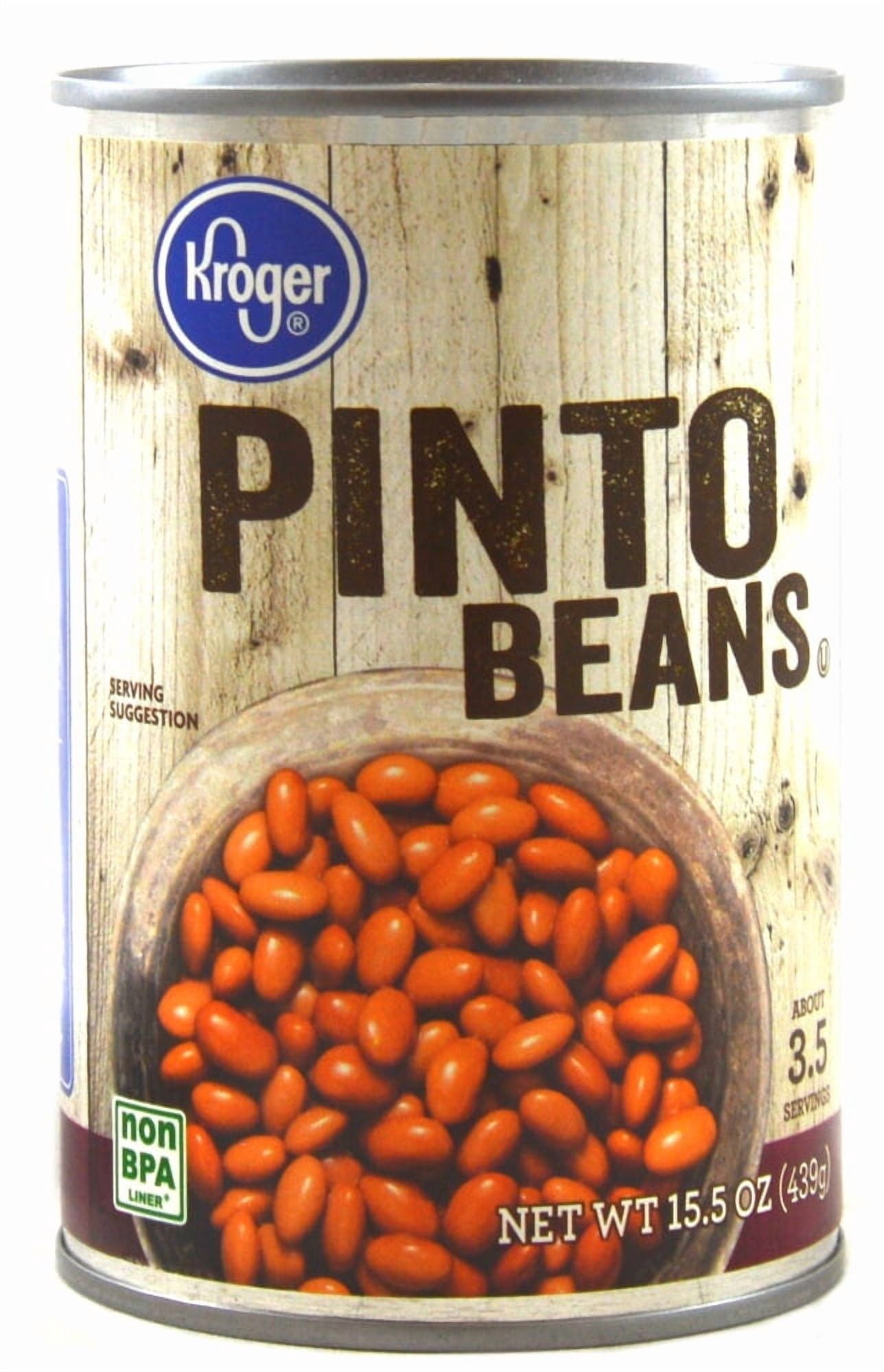
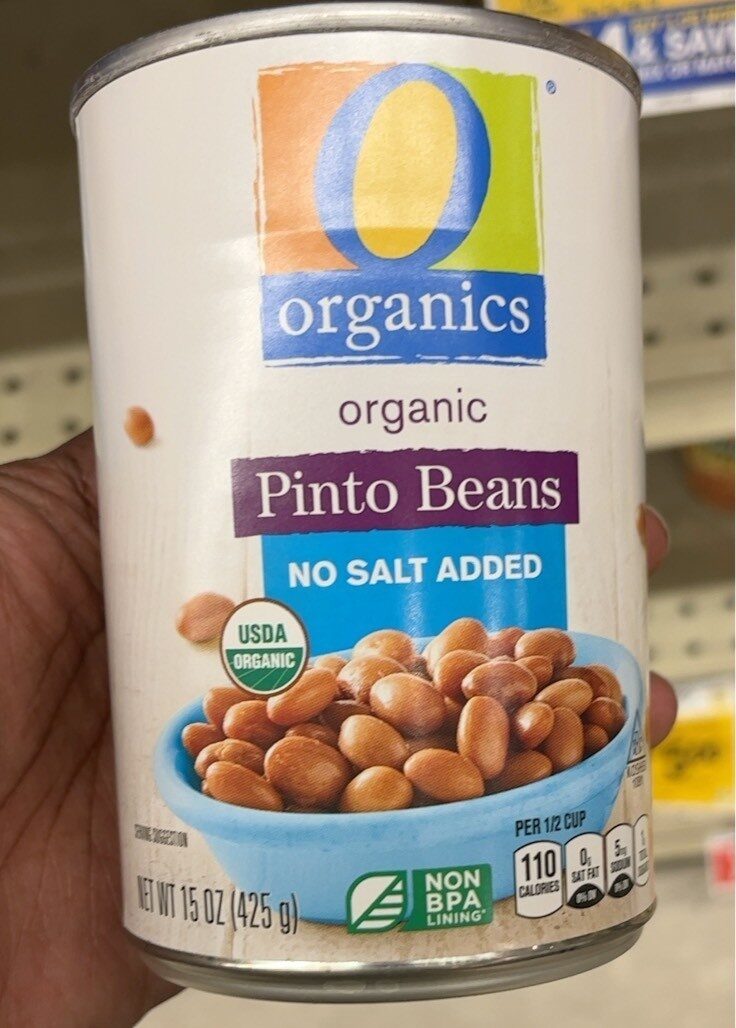
This product contains prepared pinto beans, which are a nutritious source of protein and fiber. However, it is classified as ultra-processed due to the inclusion of synthetic additives like calcium disodium EDTA, which is used for color retention. The processing level and presence of this additive limit the overall healthiness of the product despite its beneficial ingredients.
Key ingredients 5
Prepared pinto beansVery Good
Prepared pinto beans are a nutritious source of protein and fiber. They are minimally processed and retain most of their natural nutrients. Pinto beans are a staple in many diets due to their versatility and health benefits.
Benefits
Rich in protein and fiber, supporting digestive health and providing essential nutrients. They are also a good source of vitamins and minerals such as folate and iron.
WaterNeutral
Water is used as a solvent and carrier in food products. It is essential for hydration and does not contribute any calories or nutrients. In this context, it serves to maintain the moisture and texture of the beans.
See more about Water →SaltNeutral
Salt is used to enhance flavor and preserve food. It is a common ingredient in processed foods and provides sodium, an essential mineral. However, excessive consumption can lead to health issues such as hypertension.
Risks
High sodium intake can contribute to hypertension and cardiovascular disease.
Benefits
Provides essential sodium needed for various bodily functions, including fluid balance and nerve transmission.
Calcium chlorideNeutral
Calcium chloride is used as a firming agent in canned foods. It helps maintain the texture and firmness of the beans during processing. It is generally recognized as safe when used in food products.
Benefits
Helps maintain the texture and firmness of canned foods, ensuring a better eating experience.
Calcium disodium EDTABad
Calcium disodium EDTA is a synthetic additive used to promote color retention in foods. It is a chelating agent that binds to metal ions, preventing discoloration. However, it is a highly processed ingredient with potential health concerns.
Risks
May cause digestive issues or allergic reactions in sensitive individuals. Long-term consumption in large amounts is not recommended.
Benefits
Helps maintain the color and appearance of food products, enhancing visual appeal.
Processing
Ultra-Processed Foods
Get the full breakdown in the Scout appTake Scout shopping
Scan any product to see lab results, healthy alternatives, and your personalized analysis.
Download on theApp Store GET IT ONGoogle Play