
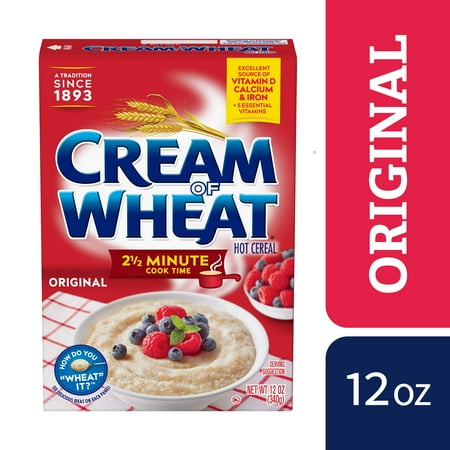

Cream of Wheat Original Hot Cereal Kosher 12 OZ Box 2.5 Min
Analysis updated April 2026 · How Scout scores
At a glance
Summary
This product is minimally processed and contains a short list of ingredients, primarily consisting of wheat farina and beneficial fortifying vitamins and minerals. The absence of harmful additives and the inclusion of nutrients like calcium, iron, and B vitamins contribute positively to its nutritional profile. Its clean label and low processing level make it a healthy choice within its category.
Key ingredients 9
Defatted Wheat GermGood
Defatted wheat germ is a nutrient-rich part of the wheat kernel, providing vitamins, minerals, and protein. The defatting process removes oil to extend shelf life while retaining nutritional benefits. It is a good source of vitamin E and folate.
Benefits
Rich in essential nutrients like vitamin E, folate, and protein, supporting overall health and wellness.
Ferric OrthophosphateGood
Ferric orthophosphate is used to fortify foods with iron, an essential mineral for oxygen transport in the blood. It is a common fortification agent in cereals to prevent iron deficiency anemia. The bioavailability of iron from this compound is moderate.
Risks
Excessive iron intake can lead to toxicity, but this is rare with normal consumption.
Benefits
Helps prevent iron deficiency anemia and supports healthy blood function.
NiacinamideGood
Niacinamide is a form of vitamin B3 used to fortify foods and support metabolic health. It is water-soluble and easily absorbed by the body. Fortification helps prevent niacin deficiency, which can lead to pellagra.
Benefits
Supports energy metabolism and helps maintain healthy skin and nerves.
Thiamine MononitrateGood
Thiamine mononitrate is a synthetic form of vitamin B1 used to fortify foods. It is essential for carbohydrate metabolism and nerve function. Fortification helps prevent thiamine deficiency, which can lead to beriberi.
Benefits
Supports energy production and nerve function, preventing deficiency-related diseases.
RiboflavinGood
Riboflavin, or vitamin B2, is used to fortify foods and support energy metabolism. It is water-soluble and plays a key role in the conversion of food into energy. Fortification helps prevent riboflavin deficiency, which can cause skin disorders.
Benefits
Supports energy metabolism and helps maintain healthy skin and eyes.
Wheat FarinaNeutral
Wheat farina is a coarsely ground wheat product used as a base for hot cereals. It is minimally processed and retains some of the wheat's natural nutrients. However, it lacks the fiber content found in whole grain wheat products.
Risks
May cause allergic reactions in individuals with wheat allergies or gluten intolerance.
Benefits
Provides a source of carbohydrates and some protein, contributing to energy and satiety.
Calcium CarbonateNeutral
Standard formulation ingredient — neither beneficial nor harmful at typical use.
Risks
Excessive intake may lead to hypercalcemia, but this is rare with normal consumption.
Benefits
Supports bone health and helps prevent calcium deficiency, especially in populations with low dietary calcium intake.
Disodium PhosphateNeutral
Disodium phosphate is used as an emulsifier and stabilizer in food products. It helps maintain texture and consistency in cereals. It is generally recognized as safe when used in food processing.
Risks
Excessive consumption may lead to imbalances in phosphate levels, but this is unlikely with typical dietary intake.
Folic AcidNeutral
Standard formulation ingredient — neither beneficial nor harmful at typical use.
Risks
Excessive intake may mask vitamin B12 deficiency, but this is rare with normal consumption.
Benefits
Supports DNA synthesis and cell growth, crucial for fetal development and overall health.
Processing
Unprocessed or Minimally Processed Foods
Get the full breakdown in the Scout appTake Scout shopping
Scan any product to see lab results, healthy alternatives, and your personalized analysis.
Download on theApp Store GET IT ONGoogle PlayAmazon pricing & content
Amazon price as of . Product prices and availability are accurate as of the date/time indicated and are subject to change. Any price and availability information displayed on Amazon.com at the time of purchase will apply to the purchase of this product.
CERTAIN CONTENT THAT APPEARS ON THIS SITE COMES FROM AMAZON. THIS CONTENT IS PROVIDED “AS IS” AND IS SUBJECT TO CHANGE OR REMOVAL AT ANY TIME.